

2025 Dental Implants Prices List
Article
2025-12-17 • 5 min read

2025 Dental Implants Prices List

The year 2025 has brought a clearer map of what a dental implant project truly costs, moving conversations from glossy brochures to transparent price lists and treatment plans. For patients and clinicians alike, the price of a single tooth implant is influe...

The year 2025 has brought a clearer map of what a dental implant project truly costs, moving conversations from glossy brochures to transparent price lists and treatment plans. For patients and clinicians alike, the price of a single tooth implant is influenced by more than the implant screw itself. The list you encounter at a clinic or on a manufacturer’s site typically breaks down into components that can vary widely by region, provider, and the specifics of the case. A smart approach to navigating this landscape is to treat price lists as a starting point for value rather than a final tally. This article walks through what drives those numbers, how the major players compare, and practical steps to use pricing data to arrive at a dependable treatment plan.

First, what makes dental implant prices fluctuate so much? At the core, you are paying for material quality, design innovations, and the level of clinical support attached to the implant system. Premium brands invest heavily in research and surface technology that aims to accelerate osseointegration and extend longevity. They may use advanced alloys like Roxolid or proprietary surface treatments that claim faster healing or higher stability. But those advantages can come with a higher price tag. Conversely, there are well-made, cost-conscious options from other manufacturers that still meet clinically acceptable standards but may rely on different design choices or manufacturing volumes to achieve lower sticker prices. In addition to the implant body, price lists usually include the abutment, the prosthetic crown, and the cost of guided surgery, digital planning, and lab fabrication. If bone grafts, sinus lifts, or nerve lateralization are required, the bill climbs further. And of course, regional factors—labor costs, insurance coverage, and reimbursement schemes—shape what a patient actually pays at the chair.

Regional differences matter a lot. In the United States and many Western European markets, a single tooth implant package (implant, abutment, crown, and minor surgical services) often sits within a higher range due to labor costs, facility standards, and reprocessing requirements. In parts of Asia, Eastern Europe, or Latin America, price lists may translate into more affordable options for similar implants, especially when clinics leverage competitive distribution networks and volume purchases. Yet price alone does not equate to better outcomes; success depends on proper case selection, surgical technique, and a restorative plan tailored to the patient’s bite, esthetics, and long-term maintenance.

Among the manufacturers, several brands consistently appear as top contenders in price lists and patient-facing options. Straumann is widely recognized for its premium position, with advanced surface technologies and connection systems that some clinicians value for long-term predictability. Their products are often paired with strong global service networks, extensive training, and robust warranty programs. Nobel Biocare, now part of the Dentsply Sirona family, remains a go-to for clinics seeking integrated digital workflows, reliable component compatibility, and trusted support across labs and clinics. These premium brands typically command higher per-implant costs but are favored by practices with high patient demand for reliability and predictable long-term outcomes.
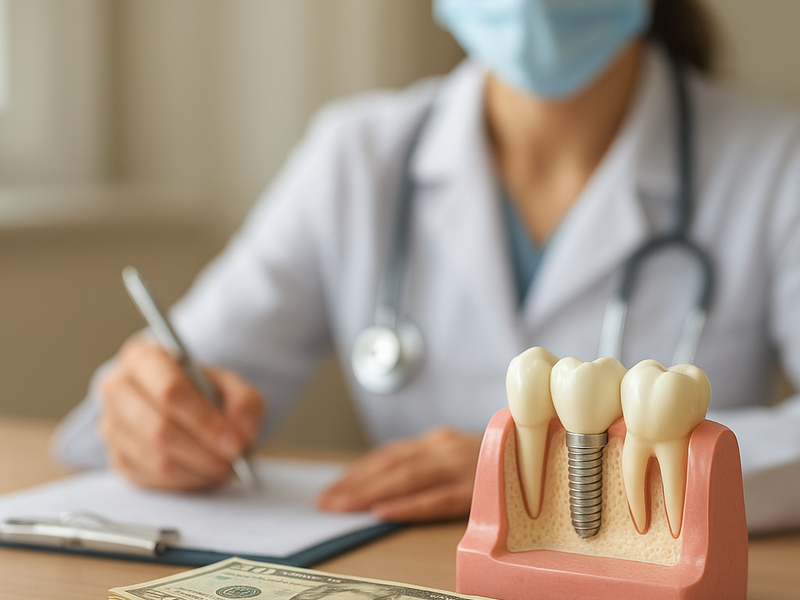
2025 Dental Implants Prices List

On the other end of the spectrum, brands such as Osstem Implant and MegaGen have built substantial geographic footprints through cost efficiencies and broad product lines. Osstem, in particular, is known for competitive pricing without sacrificing essential performance, which appeals to clinics that emphasize value-per-treatment and access to a wide range of components but still require dependable clinical results. MegaGen has carved out a strong presence with solid design features and good user feedback, offering a compelling balance of price and performance in many markets. BioHorizons, another established US-based option, often emphasizes guided surgery compatibility and a well-supported clinician network, providing a trusted alternative for practices that want proven systems with comprehensive instructional resources. AlphaBio Tech and similar budget-friendly lines exist in some markets as well, offering lower entry costs for practices expanding their implant offerings, though clinicians typically weigh trade-offs in instrument availability or support.

For patients, understanding price lists also means knowing what to look for beyond the implant itself. A complete quote should disclose: the implant brand and model, diameter and length options; abutment type and material; crown material and method; any software-enabled planning or guided surgery fees; grafting materials if indicated; anesthesia and follow-up visits; provisional restorations; and warranty terms. Where possible, request a breakdown by component and a separate line for lab fees and the prosthetic phase. This transparency helps you compare apples to apples between clinics that may all call themselves “comprehensive implant centers.” If a price seems unusually low, probe for what is excluded—are planarity checks, digital impressions, or post-operative care bundled or not? Conversely, if a quote is high, ask whether it includes ongoing maintenance, long-term warranty, or access to a preferred lab for esthetic outcomes.

How to use price lists to compare treatments effectively. Start with your clinical priorities: is esthetics paramount, or is speed of treatment more important? If your goal is natural esthetics and a long effective life, you might favor brands known for favorable screw-retained crowns, precise abutments, and cooperative labs. If you foresee future refinements or replacements, confirm whether the system offers straightforward component replacements and a broad ecosystem of compatible parts. Get quotes from multiple providers that use different brands so you can weigh the trade-offs between upfront cost and long-term value. Ask about financing or staged treatment options if immediate full payment is challenging. Finally, align your choice with your dentist’s proficiency and comfort with the system, because surgeon experience and team coordination often influence final outcomes as much as the initial price.

In short, 2025 price lists reflect not only the cost of a single implant, but the entire care pathway that surrounds a tooth replacement solution. By comparing brands, understanding what is included in a price, and clarifying long-term warranties and maintenance, patients can make informed decisions that balance cost with the likelihood of a durable, natural-looking result. Price is important, but so is the confidence that you and your clinician share a plan designed for lasting oral health.

← Back to all articles