
2025 Stair Lift Prices
Article
2025-12-19 • 6 min read

2025 Stair Lift Prices

2025 Stair Lift Prices reflect a market that blends safety, convenience, and long term value as households look for dependable mobility solutions. Consumers today are not only shopping for a mechanism that moves someone from floor to floor; they are selecti...

2025 Stair Lift Prices reflect a market that blends safety, convenience, and long term value as households look for dependable mobility solutions. Consumers today are not only shopping for a mechanism that moves someone from floor to floor; they are selecting a system that fits the architecture of their home, the daily routines of the family, and the realities of long term maintenance. In twenty twenty five the pricing landscape has matured, with clearer options for straight stair lifts, curved models, and the added value of service plans. The best way to approach prices is to separate the baseline cost of the unit from the cost of installation, optional features, and ongoing support. This article walks through typical price ranges, compares leading providers, and offers practical steps for getting an accurate quote without sacrificing safety or suitability.

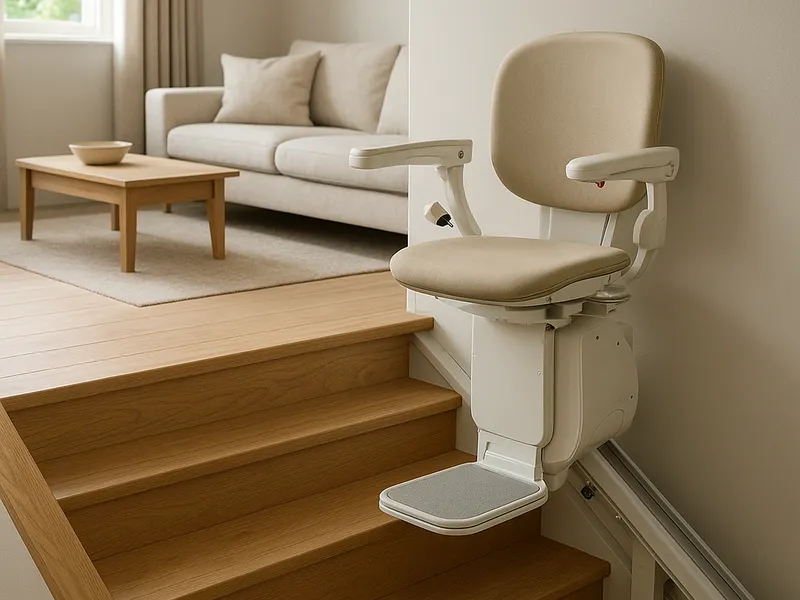
Straight stair lifts are the most common choice for homes with a single flight, and they generally come in at a more approachable price point than curved models. Baseline prices for a straight unit, including basic installation, commonly fall in the range of five thousand to ten thousand dollars. In many cases the rail is manufactured to fit the precise width and length of the stairs, and the seat, track, and motor are sized for everyday use. Factors that can push the price higher include a longer rail, higher weight capacity, more powerful motors, and premium seating options such as deluxe upholstery or extra cushions. Installation costs for straight models tend to be lighter, often around one thousand five hundred to three thousand dollars, depending on stair geometry, wall structure, and the proximity of electrical outlets. In addition to these costs, some homeowners elect upgrades like battery backup, turning corners for wider hallways, remote controls, and safety accessories such as sensors and call stations.

Curved stair lifts represent a more specialized category and are designed for stairs that twist or have landings. Because curved lifts require a bespoke track that seamlessly follows each bend, the price can increase substantially. Curved models typically start in the higher end of the spectrum and frequently fall within the range of twenty five thousand to fifty thousand dollars for the unit and installation. That wide band reflects variations in stair length, number of turns, weight capacity, and the complexity of the mounting surfaces. While curved lifts demand more labor from skilled technicians, many manufacturers and dealers offer comprehensive service packages that help spread the cost over time and reduce upfront risk. When households factor in long term savings—reduced fall risk, less dependence on stairs, and improved access to essential living areas—curved models can be a prudent investment for multi level homes.

Beyond straight versus curved categories, several other price drivers merit careful attention. Battery backup is a feature that adds peace of mind during power outages but can add a couple of hundred dollars to the price. Folding rails, swiveling seats, and powered folding options help a lift disappear when not in use and can contribute to modest price increases. Weight capacity is another factor; higher capacity lifts cost more but can prevent the need for an upgrade if household members’ needs change. Track material quality, seat design, and ease of use with handheld remotes or wall-mounted controls also have a measurable impact on total cost. Finally, the inclusion of a service and maintenance plan is a meaningful consideration; many buyers find that ongoing support, annual safety checks, and prompt parts replacement justify the added annual or biannual cost.

2025 Stair Lift Prices

When evaluating top providers, several brands and distributors stand out for their breadth of options, service networks, and long term reputations. Stannah Stairlifts remains a global reference point for many households. Known for a broad product line that covers straight and curved configurations, Stannah emphasizes custom fit and a strong dealer network that can guide buyers from initial survey through aftercare. Bruno Independent Living Aids is another prominent name with a robust presence in North America and Europe. Bruno emphasizes reliability and support, and often provides in-person surveys that help tailor the solution to stairs with unusual angles or landings. Acorn Stairlifts has built a large international footprint with a focus on user-friendly operation and compact track designs. They frequently promote turnkey quotes and virtual surveys that can streamline the purchase process. Harmar Stairlifts is recognized for its engineering versatility, offering a wide selection of installation options and compatibility with different stair configurations, including multipoint mounting and heavy load capacities. Handicare, with its European roots and global distribution, offers curved and straight lifts with attention to safety features and modular components that can simplify maintenance.

Comparisons among these providers typically hinge on four practical criteria: price clarity, installation complexity, service availability, and warranty coverage. Price transparency varies by market; some manufacturers provide instant online quotes or detailed estimator tools, while others rely on an in-person survey to tailor the final number. Installation complexity depends on stair geometry, wall materials, electrical accessibility, and whether any structural adjustments are required. Service availability matters because a local network of technicians ensures prompt maintenance and quick parts replacement, reducing downtime. Warranty coverage provides a safety net that can significantly affect long term costs, especially in homes with high foot traffic or multiple residents who depend on the lift daily.

If you are in the market for a stair lift in twenty twenty five, here is a practical plan to proceed. First, map your stairs carefully or have a professional measure the flight. Determine whether straight or curved is required by the geometry of the staircase and the location of landings. Next, solicit quotes from at least three reputable providers in your area, requesting a breakdown that separates product price, installation, and optional features. Compare what each quote includes in terms of warranty length, service visits, and terms for parts replacement. Consider scheduling a demonstration or a test ride if possible; a moment on the seat can reveal comfort, ease of use, and the intuitiveness of the controls, which matter as much as raw price. Don’t overlook the importance of safety; verify that the unit includes a secure seat belt, sturdy track mounting, and battery backup. If possible, look for feedback from current customers or ask the dealer for references to understand real-world reliability and maintenance responsiveness.

Finally, think about longer term considerations. Some homeowners justify the upfront premium of a curved lift by the convenience of keeping all floors accessible, thereby supporting greater home value, independence for seniors, and safety for family members who might navigate stairs under fatigue. If budget constraints are real, a quality straight lift with a reliable installation and a solid service plan may deliver most of the daily benefits, with the option to upgrade to a curved system later if access needs change. The right choice depends on stair design, household needs, and how much value you place on ongoing maintenance and responsive service. In twenty twenty five, informed buyers can secure a mobility solution that blends practical cost with durable safety, making daily routines easier and home life safer for years to come.

← Back to all articles