
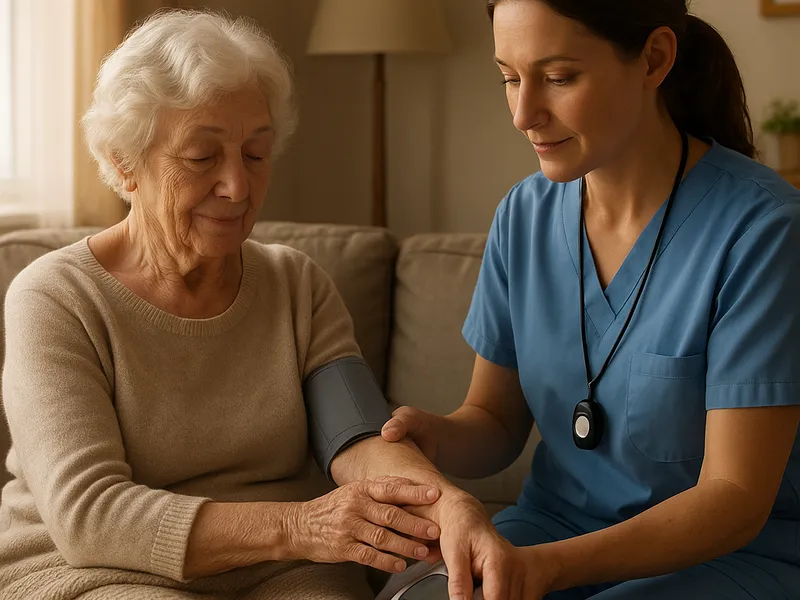
24 Hour Care For The Elderly In Their Own Home offers a practical solution for families who want safety, companionship, and professional support without moving a loved one into a facility. The phrase itself captures a model of service that combines continuous supervision with personalized care in the familiar surroundings of home. For many seniors, this arrangement preserves independence, reduces the stress of transitions, and helps families balance work, caregiving, and daily life. In this article I explore what round the clock in home care looks like, compare some of the leading providers, and outline a clear plan to arrange these services effectively.
A clear picture of the service model
At its core, twenty four hour care at home means staffing that ensures someone is awake and attentive around the clock, or a live-in caregiver who stays in the home and rests intermittently while the senior is supported by a backup caregiver during breaks. The approach can be delivered through two main formats. Awake night shifts provide continuous supervision with designated caregivers during every shift. Live-in arrangements place a caregiver in the home for several days at a time, with routines that include meals, medication reminders, mobility assistance, light housekeeping, and transportation as needed. Both models prioritize safety, personalized routines, and dignity, but the choice depends on medical needs, budget, sleep quality, and the preference for caregiver continuity.
Key services commonly included
Personal care assistance such as bathing, dressing, grooming, and incontinence support
Medication reminders, error prevention, and coordination with pharmacists and physicians
Mobility support, transfers, and fall prevention equipment installation
Meal planning, preparation, hydration, and nutritional monitoring
Transportation to appointments, social activities, and errands
Household tasks that affect safety and comfort like laundry, cleaning, and laundry
Companionship, mental stimulation, and cognitive activities to reduce isolation
Emergency response through medical alert devices and rapid communication with family or clinicians
Coordination with other health professionals to adjust plans as needs change
Comparing top providers
Global and regional home care organizations offer similar core services but differ in emphasis, scale, and client experience. Here is a snapshot of what several well known providers tend to emphasize:
Home Instead: A widely spread network known for emphasis on compassionate companionship and individualized care plans. They typically highlight long-term caregiver matching and a strong intake process that translates into consistent daily routines. Their strength lies in accessibility and a broad range of services tailored to aging in place, with a transparent process for care planning and ongoing monitoring.
Comfort Keepers: Often focused on a holistic approach that combines in home care with technology enabled monitoring and regular caregiver coaching. They tend to highlight activity programs and social engagement as a core component of staying mentally and physically active, along with reliable scheduling for 24/7 arrangements.
BrightStar Care: Notable for offering both non medical in home care and skilled nursing services through the same brand in many markets. Clients who anticipate medical needs such as wound care, insulin administration, or complex medication regimens may find BrightStar appealing for its integration of home health and personal care under one system, with 24/7 availability in many locations.
