
4 In One Dental Implant Cost
Article
2025-12-15 • 5 min read

4 In One Dental Implant Cost

All-on-4 style solutions have become a practical path for many people seeking a functional, fixed smile without the complexity of traditional multi-implant reconstructions. The phrase 4 In One Dental Implant Cost usually points to a full-arch restoration th...

All-on-4 style solutions have become a practical path for many people seeking a functional, fixed smile without the complexity of traditional multi-implant reconstructions. The phrase 4 In One Dental Implant Cost usually points to a full-arch restoration that uses four implants to support a prosthetic bridge. Rather than a single tooth or a few teeth, this approach targets the entire upper or lower arch, so you can chew, speak, and smile with confidence again. It’s commonly marketed as an immediate-load option, meaning a temporary prosthesis can be placed the same day as the implant surgery, while a final bridge is fabricated in a dental lab. This combination of speed, stability, and fewer implants has made it a popular talking point in modern dentistry. In the following discussion, you’ll find a practical look at what goes into the price, how to compare providers, and steps you can take to pursue the treatment that best fits your situation.

What the four-in-one approach actually involves goes beyond a single medical procedure. The plan starts with a comprehensive assessment, often including a CT scan to map bone density, bone width, and the exact jaw angles. The four implants are placed to anchor a fixed prosthesis designed to mimic a natural bite. Two implants are typically placed in the front with a vertical orientation, and two are positioned toward the back with a tilted angle to maximize bone contact and stability. Immediate loading means the temporary bridge is fitted soon after the surgery, providing aesthetics and function while the durable prosthetic framework is refined and completed in a follow-up phase. The approach reduces the need for bone grafts in many patients, though a few cases still require augmentation depending on bone health and bite forces. If you value a one-day solution that minimizes downtime, this concept can be compelling, but it also requires precise planning, a skilled surgical team, and a lab capable of delivering a strong, well-fitting final restoration.

Cost is the element most readers want to compare, and it varies widely by region, surgeon expertise, and the quality of the components used. In the United States, a typical per-arch package for a four-implant fixed restoration can range from roughly twenty thousand dollars to thirty thousand dollars or more, depending on the clinic, anesthesia costs, the prosthetic material, and whether any preliminary procedures like extractions or bone smoothing are required. In the United Kingdom, consumers report similar ballparks, often presented as per-arch packages within the tens of thousands of pounds. In other parts of the world, the numbers shift with local market conditions. For example, some markets in Asia or Eastern Europe may offer more competitive pricing, though the choice of materials, warranty terms, and post-treatment support should factor into the decision. It’s important to view price as a package: the implants, abutments, prosthetic bridge, guided-surgery planning, surgical fees, the temporary prosthesis, the final prosthesis, lab costs, post-op visits, and any included maintenance all contribute to the total.

4 In One Dental Implant Cost

When you search for top suppliers or service providers, you’ll encounter a mix of implant manufacturers and clinical centers. Major implant systems and brands back many All-on-4 style programs, and the choice of system can influence cost, longevity, and warranty. Reputable manufacturers such as those that offer robust global support and education networks tend to partner with clinics that provide standardized protocols, which helps with predictability and aftercare. Clinics aligned with established brands may price more predictably, with clear inclusions such as the temporary bridge, final restoration, and a set of post-operative check-ins. On the other hand, some clinics and dental-tourism boards emphasize price competitiveness, sometimes by bundling everything into a low upfront quote; in such cases, it pays to read the fine print about lab quality, materials, and the scope of what is included or excluded. When comparing options, ask for: a detailed treatment plan with a digital simulation, a breakdown of line-item costs, the specific implant system and prosthetic brand to be used, the scope of anesthesia or sedation, and the warranty terms on both implants and the prosthesis.

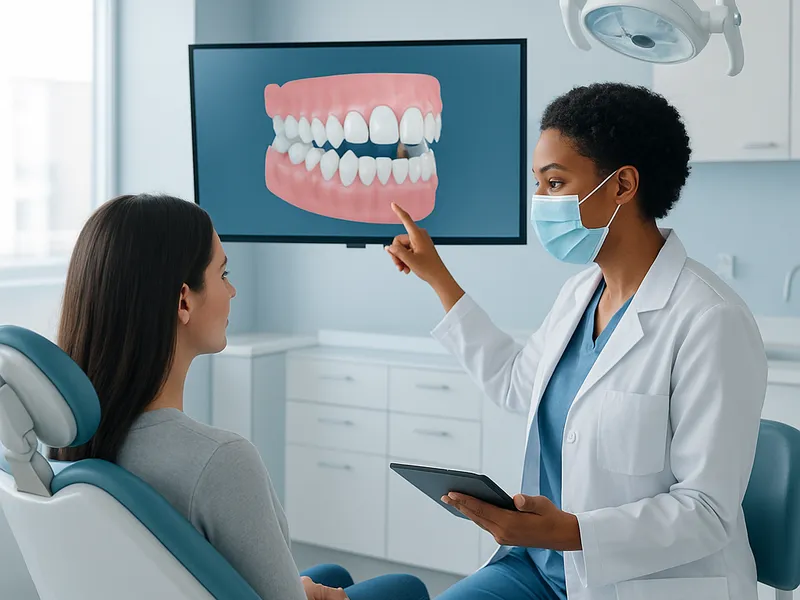
If you’re ready to proceed, here is a practical path to get the best outcome. Start with a qualified implant dentist or an oral surgeon who specializes in full-arch restorations. Bring any prior dental imaging you have; a recent CT scan is ideal. Request a formal treatment plan that includes a 3D rendering of the planned implant positions, a sample temporary prosthesis, and a timeline from surgery to final restoration. Compare quotes from at least two to three clinics, but do not judge on price alone—evaluate the experience of the surgical team, the quality of the prosthetic materials, and the availability of post-operative care. Check for warranties on implants and prosthetics, and ask about what happens if you need adjustments or replacements in the first year or two. Make sure you understand the recovery expectations and the rehabilitation steps, including any dietary restrictions or activity limitations.

The decision often comes down to balancing cost, reliability, and peace of mind. If money is tight, explore financing options or staged approaches, such as replacing a subset of teeth first and converting to a fixed full-arch later, if your bone and bite permit. Some patients also consider alternative solutions like conventional implants with smaller intermediate restorations or removable full-arch dentures, which can be more affordable upfront but may require more ongoing care or adjustment. If you have dental insurance, verify coverage limitations, common exclusions, and whether the plan supports implants or fixed prostheses. Finally, consider the long-term maintenance plan: a stable four-implant bridge can last many years if you maintain excellent oral hygiene, attend regular checkups, and replace any worn components as recommended by your clinician.

In brief, the 4 In One Dental Implant Cost question has many angles. It is a combination of surgical skill, digital planning, high-quality prosthetics, and thoughtful aftercare. With careful research, you can identify a provider whose system and price structure align with your goals, your bone health, and your budget. The result can be a durable, aesthetically pleasing smile that restores your bite and confidence for years to come.

← Back to all articles