
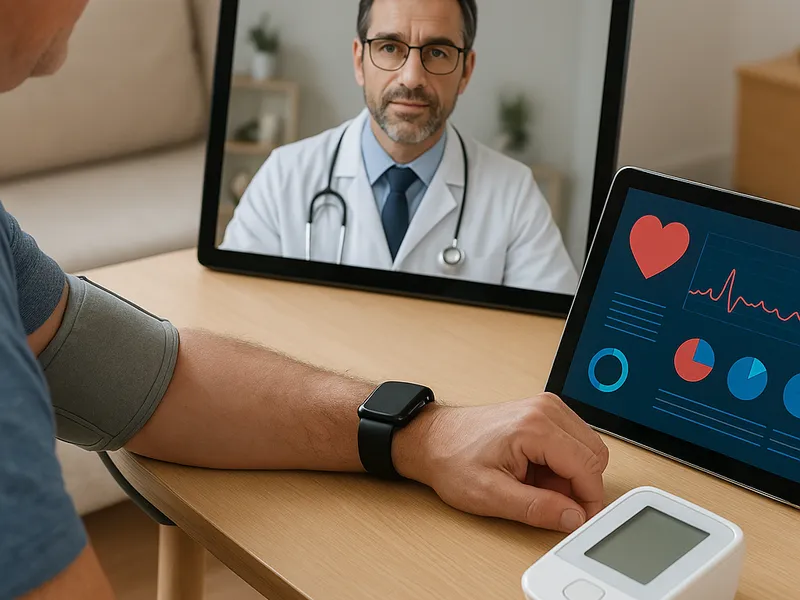
Heart failure is a condition that silently changes how the heart works, and catching its symptoms early can make a meaningful difference in outcomes. While medical diagnosis and treatment should come from a clinician, being informed about common signs helps you seek help promptly rather than waiting for a crisis to unfold. This article outlines four signs that may indicate your heart is not pumping as well as it should, why they happen, and practical steps you can take to monitor your health and engage with care teams. It also compares widely available tools and services that people use to track heart health at home, along with tips on choosing and using them effectively.
First sign: Shortness of breath that feels heavier than usual
One of the most reported signs of developing heart trouble is shortness of breath that occurs with little activity or while lying down. You might notice you need more breaths to catch up after climbing stairs, or you wake up at night suddenly gasping for air. This happens because fluid can accumulate in the lungs when the heart isn’t able to move blood efficiently, making it harder to exchange air. If you notice persistent breathlessness, especially new or worsening, schedule an evaluation with your clinician. In an urgent situation, seek immediate emergency care if you also have chest pain, fainting, or trouble breathing that doesn’t improve with rest.
Second sign: Swelling in legs, ankles, abdomen, or sudden weight gain
Fluid retention is another hallmark of heart trouble. Look for swelling in the lower legs or feet after a day of standing, shoes that feel tight without changing activity, or a swollen abdomen. A sudden gain of several pounds over a short period may also signal fluid buildup. You can monitor at home by weighing yourself daily at the same time with a reliable scale, noting any rapid increases, and tracking changes in how tight your clothes or rings feel. If edema is persistent or accompanied by shortness of breath or fatigue, contact your healthcare provider. Remember that swelling can have noncardiac causes too, so a professional assessment is important.
Third sign: Fatigue and reduced ability to perform usual activities
Feeling unusually fatigued, weak, or lacking the energy to complete daily tasks can be a sign your heart is working harder than it should to meet the body’s needs. You might notice quicker exhaustion during walking, cleaning, or light chores, or find you need more rest than normal. This symptom is often subtle and can be mistaken for aging or a busy schedule. Yet when paired with other signs like breathlessness or swelling, it should prompt a medical checkup. If fatigue is new and persistent, book a visit to discuss heart health, review medications, and adjust treatment plans if necessary.
Fourth sign: Irregular heartbeat, palpitations, dizziness, or lightheadedness
A fluttering, racing, or irregular heartbeat can occur when electrical signals in the heart become unstable. When the heart rate is too fast, too slow, or irregular, the brain might not receive a steady blood supply, leading to dizziness or fainting spells. While occasional palpitations can be harmless, new or worsening palpitations deserve medical attention, especially when they occur with chest pain, shortness of breath, or fainting. If you notice a consistent change in your heartbeat pattern, keep a log of symptoms and discuss it with your doctor. In some cases, an arrhythmia requires testing or treatment to prevent complications.
Practical steps you can take now
Keep a symptom log: Record when symptoms occur, how long they last, what you were doing, and any accompanying signs such as swelling or weight change. This record helps clinicians see patterns over time.
Use home monitoring devices wisely: Devices that track heart rate, rhythm, blood pressure, and oxygen levels can provide useful data between visits. Choose tools compatible with your lifestyle and speak with your clinician about which metrics matter most for you.
Maintain a healthy routine: Manage salt intake, stay hydrated as advised, follow prescribed medications, and engage in doctor-approved physical activity. Lifestyle changes can support heart function and reduce symptom burden.
Know when to seek care: If you experience chest pain, severe shortness of breath, fainting, or rapid deterioration of any of the four signs, seek urgent medical care. If symptoms are new but mild, contact your clinician for guidance on next steps and possible changes to therapy.
Comparing top wearables and services for heart health monitoring
There are several consumer devices and services designed to help people monitor heart health at home. Here is a snapshot of widely available options and what they offer:
