
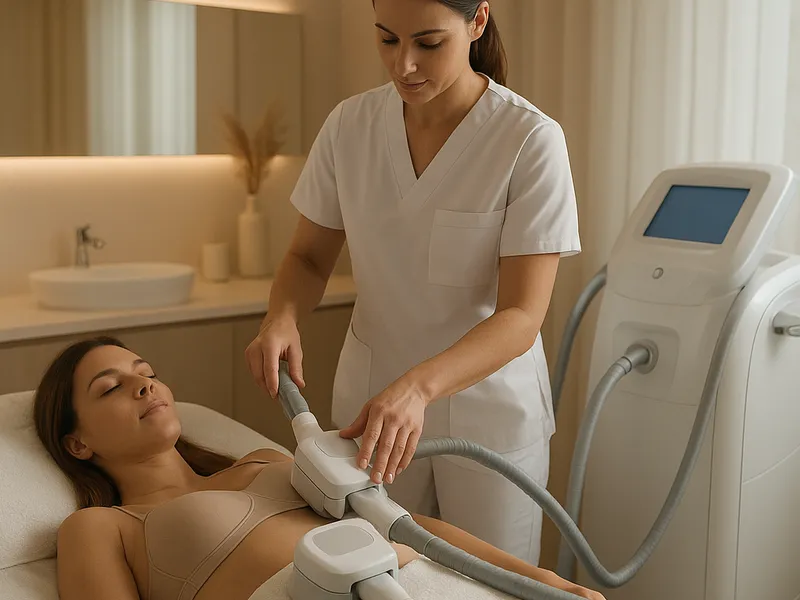
Noninvasive body contouring has emerged as a practical alternative for people seeking modest but noticeable changes without surgery. Among the options, CoolSculpting has established itself as a widely available approach, and many readers ask how to pursue it in a budget friendly way. Rather than focusing on marketing claims, this piece weighs the practical value, the varying price landscapes, and the ways patients can steer toward affordable outcomes without compromising safety or satisfaction.
In practice, affordable CoolSculpting comes down to value rather than a single sticker price. The technology works by applying controlled cooling to targeted fat pockets, triggering a process called apoptosis that gradually reduces fat cells in the treated area. Most providers emphasize that results are gradual and depend on the area treated, the number of cycles, and the patient’s body composition. Because this is a cosmetic procedure that lacks universal insurance coverage, costs typically come from the clinic level rather than a centralized health system. The critical factors to consider when pursuing affordability are not only the advertised price but the overall value: the experience of the clinicians, the sophistication of the equipment, the likelihood of needing more than one session for the desired contour, and the aftercare guidance that helps maximize long term results.
If you are exploring where to get affordable CoolSculpting, the first route is the official provider network. The CoolSculpting brand maintains a directory that helps prospective patients locate certified clinics and practices offering the treatment. These clinics come in many shapes, from large multi specialty medical groups to independent med spas. Because the network includes a broad spectrum of providers, the prices and promotions can vary quite a bit by locale. The advantage of starting here is access to trained professionals who adhere to standardized protocols and who can help assess candidacy, set realistic goals, and tailor a plan that avoids unnecessary cycles.
Beyond the official network, industry chains such as Ideal Image have become popular options for patients seeking consistent service and clear pricing structures. Ideal Image and similar nationwide clinics typically publish their service menus, offer bundled packages for multiple treatment areas, and provide flexible financing plans. The predictable framework can translate into practical affordability, especially when patients take advantage of multi area discounts or seasonal promotions. It is sensible to ask about whether a package includes the consult, the treatment fees, and any post procedure followups, because these elements can influence the overall cost and perceived value.
Independent medical spas and dermatology or plastic surgery practices represent another major category. These providers often run seasonal promotions or membership style programs intended to spread the cost of noninvasive options over time. In some cases, clinics will combine a free or discounted initial consultation with a punch card style system that adds value for patients who plan future sessions. The tradeoffs to consider with these options are the variability in clinician experience, the caliber of equipment, and the pace at which results accumulate. For people who are budget conscious, asking to see before and after portfolios and verifying the specific device models used can reveal whether a given price is aligned with the anticipated results.
