
African Safaris And Tours
Article
2025-12-15 • 6 min read

African Safaris And Tours

African safaris and tours represent one of the most compelling ways to connect with nature, culture, and adventure in a single journey. From the dusting light over the Serengeti to the quiet dignity of a desert sunset in Namibia, these experiences blend wil...

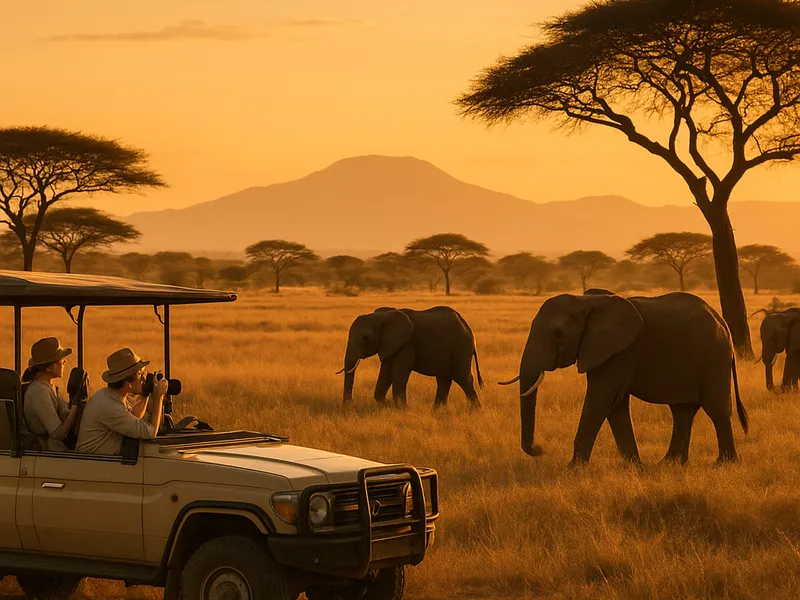
African safaris and tours represent one of the most compelling ways to connect with nature, culture, and adventure in a single journey. From the dusting light over the Serengeti to the quiet dignity of a desert sunset in Namibia, these experiences blend wildlife encounters with immersive local experiences. The best safaris balance spectacle with comfort, conservation with community, and personal curiosity with expert guidance. Whether you are chasing the Great Migration, tracking leopards in the canopy, or watching birds swirl over a waterhole, a well planned itinerary can transform a vacation into a lifelong memory. This article guides you through what to expect, how to plan, and how to compare the top operators that curate African safaris today.

A safari is more than a checklist of species; it is a sequence of moments that reveal ecosystems in motion. Early mornings bring the chorus of birds and the first glints of light on acacia silhouettes. Midday may offer shade in intimate bush camps or luxury tents, paired with local storytelling or a chef’s take on regional flavors. Evenings are a different rhythm, with campfire conversations under expansive skies and the hush that follows a nocturnal chorus. The most successful safaris weave Wildlife Watching with Cultural Encounters, giving you opportunities to visit a Maasai village, a Himba caravan stop, or a coastal mangrove reserve, depending on the route. The result is a multi-sensory experience that teaches patience, respect, and curiosity.

Regionally, choices matter. East Africa is famous for dramatic wildlife movements, big cats, and classic savannah scenery, with Kenya and Tanzania offering iconic parks like the Maasai Mara and the Serengeti. Southern Africa tends to emphasize comfort and accessibility, with Botswana’s delta, South Africa’s winelands and wildlife sanctuaries, and Namibia’s stark landscapes providing a different kind of awe. Then there are West and Central Africa destinations that emphasize birdlife, river systems, and local fishing communities, offering a slower pace and different cultural insights. When you decide where to go, consider your priorities: wildlife density and variety, travel pace, a preference for luxury camps or rustic eco-lodges, or a desire to combine wildlife with a beach or winetasting itinerary.

Booking a safari is as much about timing as it is about place. Peak season often coincides with wildlife visibility and comfortable weather, but it can mean higher prices and crowded camps. Shoulder seasons may offer better value, fewer crowds, and equally rewarding wildlife sightings, while the off season sometimes brings rains that transform landscapes and animal behavior in fascinating ways. Health and safety are another practical layer: check visa requirements, vaccination recommendations, malaria risk, and travel insurance with wildlife coverage. Pack light layers, a good pair of binoculars, a compact camera with a reliable zoom, and respectful clothing suited to modest dress in some communities. A solid plan includes a few buffer days to absorb flight delays or rerouted routes, especially when crossing multiple parks or countries.

African Safaris And Tours

When it comes to choosing a safari operator, a few names consistently come up for their reliability, range, and focus on responsible travel. Abercrombie & Kent, a long established luxury operator, designs bespoke itineraries that pair high end lodges with private guides and seamless logistics. Their strengths are depth of experience, curated experiences, and a willingness to tailor trips to specific interests—from photographic pursuits to conservation volunteering. &Beyond operates across Africa with a strong conservation ethos and a portfolio that often includes comparative stays at exclusive lodges and camps. Their itineraries emphasize immersive experiences, such as guided walks, indigenous storytelling, and conservation activities, and they can be especially appealing for travelers seeking a deeper connection with landscapes.

Online platforms and specialist travel companies broaden access to a wide array of itineraries. Go2Africa is a popular booking platform that aggregates offerings from across the continent, letting you filter by country, budget, and focus. Their strength lies in breadth and convenience; you can compare different packages side by side, then connect with local agents to customize. SafariBookings functions more as a marketplace of operators, letting you read reviews and compare itineraries from multiple providers. Expert Africa, a UK based specialist, is known for its detailed knowledge of destinations and highly personalized planning, often working with individual travelers to craft multi country adventures. For travelers seeking a conservation oriented program or a smaller group experience, Natural Habitat Adventures (in partnership with conservation organizations) offers wildlife first courses with an emphasis on sustainable travel. Each option has its own flavor: luxury tailored itineraries, immersive community experiences, or value driven multi country explorations.

If you want practical guidance on how to proceed, start with a clear list of priorities: which countries or parks you want to visit, preferred pace, acceptable accommodation style, and your budget range. Research park highlights and potential wildlife experiences for those destinations. Then compare operators based on what matters most to you: level of personalization, guides’ credentials, lodge quality, flexibility to adapt to changing conditions, and conservation or community involvement. For multi country trips, ensure your itinerary accounts for internal flights, time zone changes, and potential visa requirements. Don’t hesitate to reach out to operators with a short outline of your interests and constraints; their responses can reveal their attentiveness and willingness to tailor experiences. When in doubt, speak to a specialist who has firsthand experience in the regions you want to visit, as they can alert you to seasonal wildlife patterns, local weather quirks, and cultural considerations that generic itineraries might overlook.

A few practical tips can help you optimize your safari experience. Book well in advance if traveling during peak seasons to secure preferred lodges and guides. Consider combining a safari with an environmental or community project if you would like a deeper connection to the places you visit. Pack responsibly: neutral colors for wildlife visibility, sun protection, a light rain jacket, and comfortable walking shoes. Respect local customs and wildlife guidelines; this not only protects you but preserves ecosystems for future visitors. If you want a more active safari, look for reserves that offer walking safaris, boat trips, and night game drives; these add variety and can reveal nocturnal behaviors that are otherwise missed. Finally, balance your itinerary so you have downtime to reflect and absorb what you’ve seen—safaris are as much about mood and memory as they are about exhilarating sightings.

In summary, African safaris and tours blend nature, culture, and luxury into remarkable journeys. The best planners listen closely to your interests, balance pace and comfort, and partner with destinations that prioritize conservation and community benefit. Whether you opt for rank luxury or intimate eco camps, the success of a safari rests on thoughtful preparation, informed choices, and a sense of wonder that keeps you present in every pause between the chase and the sunset.

← Back to all articles