
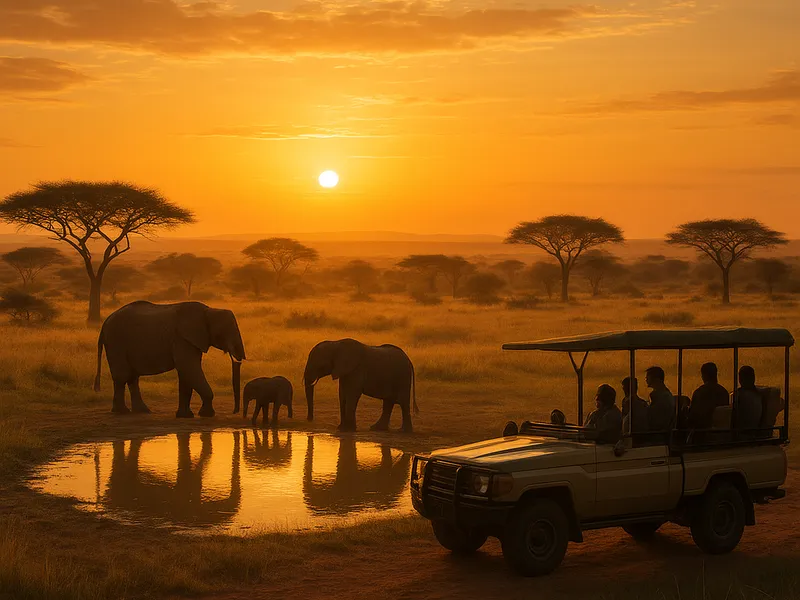
African Safaris In South Africa
Article
2025-12-16 • 6 min read

African Safaris In South Africa

South Africa stands out as a premier destination for people seeking the quintessential African safari experience. The country offers a remarkable blend of iconic wildlife, diverse landscapes, and accessibility that ranges from self guided adventures to ultra luxury retreats.

South Africa stands out as a premier destination for people seeking the quintessential African safari experience. The country offers a remarkable blend of iconic wildlife, diverse landscapes, and accessibility that ranges from self guided adventures to ultra luxury retreats. Travelers can find dramatic open savannahs, dense riverine forests, and rugged coastlines all within reach, making it possible to combine wildlife encounters with culture, cuisine, and coastal scenery in one unforgettable trip.

A big part of South Africa’s appeal is the contrast between the wide public parks and the intimate world of private reserves. The best known wildlife arena is Kruger National Park, a vast mosaic of rivers, mopane forests, and open plains that is home to a remarkable array of species. If you prefer the comfort of a guided experience with expert trackers, private reserves such as Sabi Sands, Londolozi, and Singita near Kruger offer a more curated encounter. These reserves use a philosophy of intimate game viewing with highly trained rangers and trackers, often with limited vehicle numbers at sightings to minimize disruption. The result is a sense of immersion, with close up encounters and a focus on conservation, luxury dining, and spa amenities after sunset drives or walks.

For travelers who want variety beyond the famous Kruger belt, the Eastern Cape and KwaZulu Natal provide other compelling safari opportunities. Addo Elephant Park near Port Elizabeth is renowned for its elephant concentrations and coastal scenery, while iSimangaliso Wetland Park on the KwaZulu Natal coast offers a combination of wildlife, ocean views, and migratory birdlife along a World Heritage listed coastline. The Drakensberg mountains in the interior provide a different kind of outdoor experience, with forested slopes and alpine scenery that can be paired with a few days of wildlife viewing in nearby reserves.

If you are new to planning a safari, start with a clear picture of your priorities. Do you want the self drive flexibility and budget friendliness of a SANParks campground and basic days, or are you seeking the refined service, private vehicle access, and the possibility of guided walking safaris offered by private reserves? South Africa accommodates both paths. For those drawn to luxury, the country hosts some of the world’s most celebrated lodges and safari outfits. Names like Singita, Londolozi, and Sabi Sabi are often cited for their level of service, conservation commitments, and high cuisine. They deliver immersive experiences such as early morning game drives, afternoon siestas followed by sunset cocktails, and occasional guided night drives when allowed by the reserve rules. The price spectrum is wide, but even within luxury options there are variations in inclusions, from all meals and drinks to spa treatments and private plunge pools.

When it comes to booking, several pathways are popular and widely used. Official park portals such as SANParks provide insights on self drive itineraries, camp options, and day by day planning within Kruger and other national parks. For travelers seeking curated packages, platforms like SafariBookings aggregate safari experiences across South Africa, allowing easy comparison of itineraries, durations, and price ranges, with user reviews to inform choices. For those who prefer door to door convenience, Discover Africa Travel offers curated itineraries and direct bookings with local operators, combining safari time with add ons such as city tours or wine country visits. Large international platforms like Viator and GetYourGuide also list safari day trips and multi day itineraries, often with flexible cancellation policies and multilingual support. Finally, many travelers who crave exclusivity book directly with renowned private reserves or lodges, sometimes through the lodge’s own website, which can provide insider advice on seasonal game viewing, private vehicle availability, and tailor made experiences.

African Safaris In South Africa

To decide what kind of safari to book, ask a few practical questions. How long do you want to be in the wild each day, and how important is it to have a private guide or vehicle? Are you hoping to combine wildlife with a beach or winelands experience, or do you want a pure wildlife focus? What is your budget, and how important are luxury amenities, fine dining, and spa facilities? If you opt for a private reserve, be aware that some reserves strictly limit self driving and emphasize guided experiences, which can enhance sightings but may require a higher budget. If you choose a public park, plan for longer drives, a higher chance of spotting a game vehicle sharing the road, and seasonal variations that affect where wildlife congregates.

Seasonality matters. The dry season from late winter to early spring concentrates animals at water sources, which often increases sightings in Kruger and private reserves. This is also a peak travel period, which can mean higher prices and more crowded camps. The wet season brings lush landscapes and a riot of birdlife, and it can be a terrific time for photography and for enjoying a quieter, less crowded lodge experience in some areas. For malaria risk hotspots, research the specific area you plan to visit and follow guidance from trusted operators or the health authorities. Packing wisely is essential: neutral colors that blend with the environment, comfortable walking shoes, a lightweight jacket for cool early mornings and evenings, a hat, sunscreen, insect repellent, and a good camera with a zoom lens to capture distant wildlife.

A practical approach is to design a two or three stage trip that balances intensity and downtime. Start with a Kruger based or nearby private reserve stay to anchor your safari, then add a city or wine country segment such as Cape Town and the Cape Winelands, or a coastal stretch along the Garden Route for a multi dimensional experience. For a first timer, a seven to ten day itinerary can deliver core wildlife experiences with the chance to relax in between drives. For experienced travelers seeking a deeper dive, a private reserve stay with a mix of morning and afternoon game drives, walking safaris, and possibly a bush meal under the stars can create lasting memories.

If you are ready to begin exploring, a good starting point is to outline your priorities, then compare options across credible platforms. Check what is included in the package, the type of accommodation, the length of game drives, the availability of guided walks, and the off road policy for safari vehicles. Read recent guest reviews to gauge the consistency of wildlife sightings and service quality. Finally, consider how the timing of your trip aligns with your other travel plans, such as a visit to Cape Town or the winelands, a safari combined with a beach break, or a longer circuit that includes the Drakensberg or the coast.

In summary, African safaris in South Africa offer something for every traveler. Whether you want the thrill of a classic Big Five encounter in a vast park, the intimate experience of a private reserve with a personal guide, or a blended itinerary that pairs wildlife with culture and cuisine, South Africa makes it possible to craft a safari that fits your pace, preference, and pocket. With thoughtful planning, you can enjoy the quintessential sights and sounds of the African bush while supporting conservation and sustainable travel. Begin with clear goals, use trusted booking sources as your compass, and you will be well on your way to a memorable safari that speaks to your sense of adventure and wonder.

← Back to all articles