
Taking the stairs when mobility is limited can feel like a daily hurdle, but there are credible alternatives to traditional stair lifts that can restore access, fit different homes, and align with varying budgets. Rather than a single solution, the best approach blends space, budget, speed of installation, and long term needs. If you own a multi level home or are planning for aging in place, exploring these options early can help you shape a safer, more comfortable home.
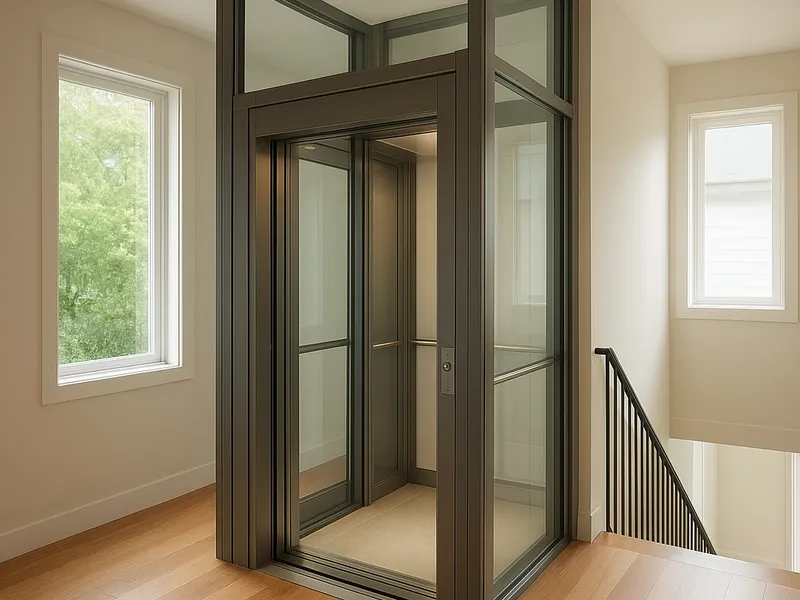
Residential lifts and elevators present a strong category of alternatives. A residential home elevator, once considered a luxury, is now widely available in compact, adaptable designs that suit many floor plans. Modern home elevators come in several drive types, including machine roomless traction and hydrostatic systems, and may use a glass or steel shaft, or be designed as a stall-less, freestanding unit that fits into existing spaces. Brand leaders in this space place emphasis on reliable performance, quiet operation, and shorter install windows. Reputable companies to explore include Stiltz Lifts, which markets compact, shaftless residential elevators that can fit into tighter spaces; Aritco, a European brand known for sleek, modular home lifts with a focus on design and safety; Otis, TK Elevator, Schindler, and KONE, which offer more traditional residential elevator options often backed by broad service networks. Prices for these systems vary widely based on lift type, shaft requirements, installation complexity, and local labor; many projects land in the range of tens of thousands to well over a hundred thousand dollars for full shafted systems, with more compact, non shaft solutions typically at the lower end of the spectrum. The key advantage is independence and speed of travel between floors, but installation may require structural assessment and possible modifications such as electrical upgrades or a small machine room.
Vertical platform lifts expand accessibility for wheelchair users or individuals who prefer a single platform to bridge floors. These lifts are designed to carry a wheelchair or a person seated in a chair, and they typically move vertically with a sturdy platform. Compared with full home elevators, platform lifts often require less space and can be installed with fewer structural changes, making them a practical option for many homes or outdoor entrances. Savaria and Garaventa Lift are prominent names in this space, offering vertical platform lifts that support different weight capacities and installation configurations. Costs for vertical platform lifts are generally lower than full elevators but can still be substantial, especially for outdoor installations or units requiring durable weather resistance. The installation process is straightforward for a trained technician, but it does involve electrical power, concrete bases or mounting brackets, and adheres to local accessibility codes and safety standards.
Through floor lifts represent another specialized class, often referred to as through floor or shaftless options. These systems sit within the floor cavity and travel between levels, offering a compact, discreet alternative to a full shafted elevator. They are particularly appealing when there is limited space or when you do not want a visible shaft or doorway on each floor. Reputable manufacturers such as Savaria, Garaventa, and some European brands design through floor lifts with safety interlocks, obstacle detection, and smooth transitions. They require careful floor preparation and adherence to building codes, but can be installed with relatively minimal footprint when space is at a premium. Pricing for through floor lifts varies with capacity, finish, and installation complexity, but they are generally positioned as a middle ground between a full residential elevator and a vertical platform lift.
Platform lifts and outdoor ramps bridge the gap for exterior access or rooms that need a safe, temporary or semi permanent solution. A platform lift often serves as a glide between ground level and a raised deck or porch, and can be installed with relatively modest alterations to landings and mounting surfaces. These lifts can be ideal for aging in place where outdoor access is a priority, or for interiors with a split level that can be treated as a single transition. Manufacturer catalogs often emphasize weather rated models and simple, intuitive operation. Costs vary, but platform lifts are typically more affordable than full elevators and can be a practical compromise for homeowners who want a long term mobility solution without major structural work.
Non permanent and flexible options deserve attention as well. Portable or modular ramps provide a cost effective, non invasive way to create safe entry points and transitions between levels. For homes with a single step entry or a small amount of elevation, modular ramps and threshold ramps can deliver immediate accessibility without installation downtime. When a permanent solution is not feasible or desirable, ramps can be a practical first step toward safer access while you explore longer term options. For renters or homeowners who expect to move in the near future, ramps are often the simplest choice to maintain daily activity with minimal disruption.
How to evaluate and plan your choice
Start with a space assessment. Measure the width, height, and length of the route between floors, and consider doorways, stairs, landing areas, and any overhead obstructions. A professional accessibility consultant or a mechanical contractor can provide design guidance and preliminary feasibility.
Define mobility needs and timelines. If the main user has limited endurance, a quicker installed solution like a vertical platform lift or a through floor lift may suffice. If long term independence is a goal, a residential elevator may be worth the investment, especially if you anticipate multiple floors needing access.
