
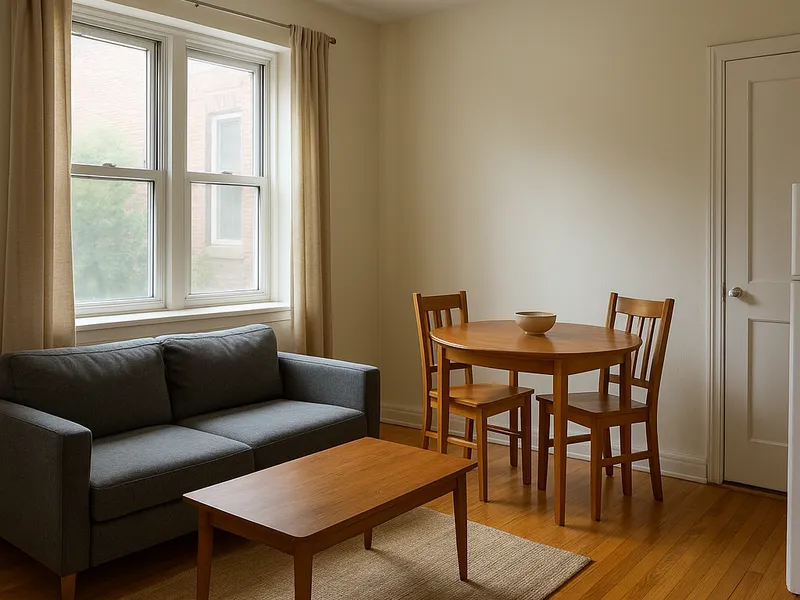
Finding an apartment for less than five hundred dollars a month is a quest that stretches across many regions, especially when the goal is more than a room to sleep in. In practice, the reality varies widely by country, city, and neighborhood. In rural towns, smaller cities, or shared housing setups, affordable options do exist, but they often come with tradeoffs like distance from urban centers, older buildings, smaller spaces, or shared amenities. This article looks at how to navigate the market, what platforms are useful, and practical steps to increase your chances of landing a deal that fits your budget without compromising safety or habitability.
First, set clear expectations. A sub five hundred monthly rent usually means you will be sharing space or living in a more modest setup. In many markets, an affordable option may be a private room in a shared house, a studio in a less central area, or a place in a small town outside a major metro. Utilities, internet, and sometimes parking can be extra, so it is essential to factor total monthly costs, not just base rent. Location matters a lot: while some people willingly relocate to cheaper neighborhoods, others prioritize proximity to work, public transport, or essential services. Importantly, price is a signal of a broader set of conditions, so your search should balance cost with safety, neighborhood vibe, and the reliability of the listing.
Online platforms remain the most efficient way to survey options quickly. Several websites and apps serve different needs, and knowing how to use each can dramatically improve your odds of finding something under five hundred a month. In the United States and many Western markets, traditional apartment portals emphasize listings that cater to standard leases and mid to high price points. For those on a tight budget, several platforms stand out for cheap rentals or room sharing.
Craigslist remains a robust catalog for affordable rentals, room shares, and sublets. Its strength is breadth and speed; the site often hosts listings that are not posted elsewhere. The challenge is quality control and scams, so exercise extra caution: meet in public spaces, never send money before viewing, and verify ownership and lease terms.
Facebook Marketplace and local housing groups offer direct connections with landlords, roommates, and subletters in your area. The conversational style can help you negotiate quickly, but you should stay vigilant for scams and always request written terms.
Room sharing and roommate platforms such as SpareRoom or EasyRoommate are designed for people seeking or offering shared living arrangements. These sites excel when your budget hinges on a private room rather than a whole apartment, and they often include filters for move-in dates, lease lengths, and preferred neighborhoods.
Aggregator and listing sites like PadMapper, Zillow, Apartments.com, Rent.com, and HotPads compile multiple sources, giving you a broad view of what’s available. They are excellent for filtering by price, but deals under five hundred often appear in less central locations or in shared scenarios. Use alerts to keep track of new postings in your target area.
International and regional players sometimes dominate the cheap rental space. In some countries, sites like OLX, Gumtree, 99acres, or Magicbricks can yield room rentals and smaller units at low prices. If you are focusing on a specific region, it helps to learn the local platforms that locals trust for budget housing.
A practical approach to how to find such an apartment starts with a plan. Begin by defining your must-haves versus nice-to-haves. Do you require a private room or is a shared living space acceptable? Is a dedicated workspace important if you work from home? How important is proximity to transit, groceries, or your workplace? Once you are clear, follow these steps:
Determine your total monthly budget. Include rent, utilities, internet, and any mandatory fees. If possible, negotiate a bundled price that covers utilities and internet to avoid monthly fluctuations.
