
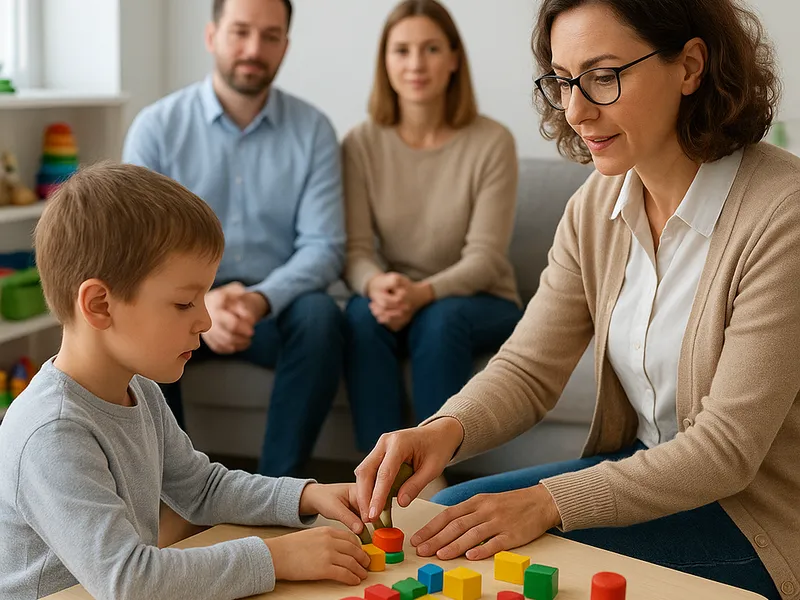
Autism treatment encompasses a broad spectrum of approaches aimed at supporting communication, social interaction, independence, and quality of life. Because autism is a developmental condition that manifests in unique ways for every individual, the most effective plans are usually multidisciplinary, personalized, and data driven. While there is no universal cure, many families see meaningful gains when they combine evidence based therapies with family involvement, ongoing assessment, and access to reliable resources.
A cornerstone in many systems of autism care is applied behavior analysis, or ABA. ABA is built on observing behavior, collecting data, and shaping new skills through structured reinforcement. The core idea is to make meaningful behaviors more likely to occur and to reduce challenges that interfere with learning and daily living. In practice, ABA programs often run many hours per week in home, clinic, or school settings, especially for young children. They can be highly effective for improving communication, self-help, and adaptive skills, but outcomes depend on the intensity of the program, the quality of the supervising therapist, and how well goals align with the child’s interests and needs. When selecting an ABA provider, families frequently look for board certified behavior analysts (BCBAs) and a documented plan that includes clear targets, ongoing data collection, and regular reviews with caregivers.
Beyond ABA, speech and language therapy is another central component of autism treatment. Many children with autism benefit from targeted approaches to improve verbal and nonverbal communication, including alternative and augmentative communication methods when speech development is delayed or nonverbal. Speech therapy often focuses on social communication, language pragmatics, and early literacy skills, with goals tailored to everyday interactions at home, school, and in the community. Occupational therapy is also common, helping individuals develop fine and gross motor skills, sensory processing strategies, self regulation, and activities of daily living. For some, sensory integration or sensory processing approaches are included to reduce distress related to textures, sounds, or lighting—though the evidence base for some sensory therapies varies, so families typically review options with clinicians.
In addition to these core therapies, many programs incorporate social skills training, play-based interventions, and caregiver coaching. Parent-mediated strategies can amplify progress by embedding supportive techniques in daily routines, modeling desired behaviors, and providing consistent feedback between therapy sessions. Schools frequently coordinate with families to align services, ensuring that goals pursued in therapy translate into classroom participation and learning. For some individuals, medications may be prescribed to address coexisting conditions such as anxiety, attention challenges, or irritability; these decisions are made in consultation with a healthcare professional and are not a cure for autism.
