
Auto Ibride
Article
2025-12-16 • 5 min read

Auto Ibride

Auto Ibride has become more than a marketing term in the automotive world; it signals a broad shift in how people approach daily travel, energy use, and the future of motoring. At its core, Auto Ibride refers to vehicles that blend a traditional internal co...

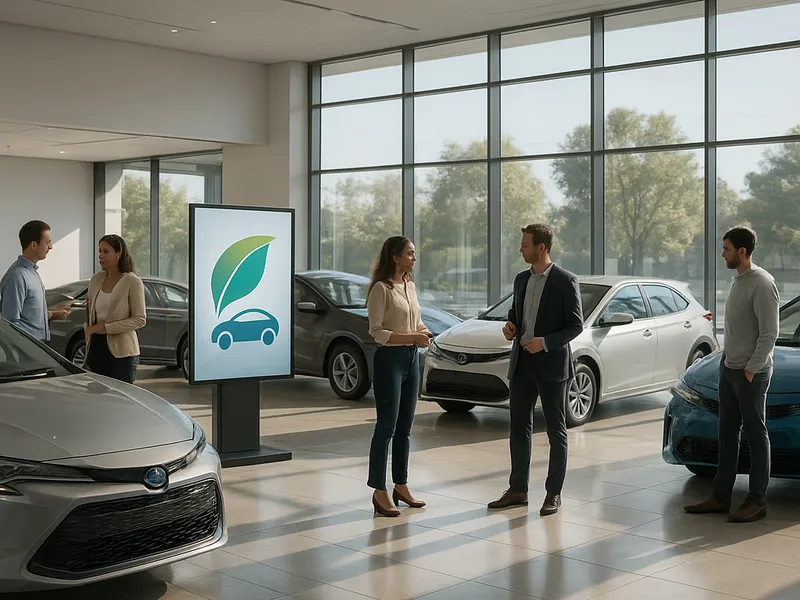
Auto Ibride has become more than a marketing term in the automotive world; it signals a broad shift in how people approach daily travel, energy use, and the future of motoring. At its core, Auto Ibride refers to vehicles that blend a traditional internal combustion engine with electric propulsion to deliver better efficiency, lower emissions, and a smoother driving experience. But beyond the labeling, what matters to drivers is how these vehicles perform in real life, how they fit into budgets, and how to navigate the variety of options available in today’s market. In this article we will explore what this category means for buyers, compare how leading manufacturers approach hybrids, and offer practical guidance for selecting and acquiring a vehicle that truly matches your needs.

Across the board, hybrid technology promises tangible benefits that many households can feel from day to day. Typical advantages include stronger overall fuel economy compared to conventional gasoline models, reduced emissions in urban driving, and the ability to operate quietly at low speeds or when idling. Most hybrids also feature regenerative braking, which recovers energy that would otherwise be wasted and puts it back into the battery system. For many drivers, the result is lower fuel bills, less frequent refueling, and a more responsive feel when starting from a stop or cruising at light to moderate speeds. However, the experience can vary depending on the design and the way a vehicle is used, so it makes sense to form a view not from what a badge promises but from real-world behavior, test drives, and maintenance considerations.

When it comes to comparisons among the big names in Auto Ibride, a few brands consistently stand out for reliability, availability, and a broad lineup. Toyota remains a benchmark for hybrid drivetrains, with models that emphasize efficiency, cost of ownership, and long-term resilience. Honda focuses on a balance of affordability and driving enjoyment, often offering practical interiors and well-regarded powertrains. Hyundai and Kia have built a strong reputation for value, modern technology, and stylish design inside competitive price ranges. Ford rounds out the list with hybrids that appeal to buyers seeking utility and capability in larger vehicles, including compact crossovers and trucks. In short, the leaders provide different flavors of hybrid engineering, so buyers should prioritize what matters most to them—fuel economy targets, cargo space, ride comfort, technology, or resale value—and then look for a model that aligns with those priorities.

To make sense of the market, it helps to compare not just the vehicles but also the places where they are purchased or evaluated. Manufacturer sites provide essential technical data, pricing, and incentives, and they are the most direct source for knowing which trims include what features. For example, major brands publish hybrid specifications, efficiency estimates, and warranty terms, which are critical for budgeting. Independent platforms and car-shopping portals shed light on real-world ownership experiences, reported reliability, and typical maintenance costs. These include well known consumer-oriented sites that compile expert reviews, consumer ratings, and user experiences. In practice, a successful hybrid purchase often combines insights from official sources with third party evaluations, ensuring the chosen model delivers the right balance of efficiency, technology, and overall value.

Auto Ibride

If you are actively pursuing a hybrid purchase, a practical approach helps reduce risk and increase the odds of a satisfying outcome. Start by outlining your budget, daily driving patterns, and the kinds of trips you take most often. Do you mostly drive in the city, where hybrids typically shine, or do you also travel on highways where the efficiency benefit may be different? Decide whether you want a conventional hybrid that charges its battery through the engine and braking or a plug in hybrid that allows limited electric range on battery power alone. Then compare a handful of models across the brands you trust. Look closely at fuel economy ratings, but also at real world MPG reports from owners and independent testers. Pay attention to cargo space, seating comfort, and the feel of the throttle and brake response, because the interface between human and machine often shapes the daily driving experience more than the badge on the trunk.

Budgeting for maintenance and ownership costs is another pillar of a smart decision. Hybrids typically require less frequent attention to the engine in day to day operation because the electric motor can take on more of the workload in certain conditions. Yet the battery system and the power electronics are crucial components that may involve specialized service. Before committing, verify warranty coverage for the hybrid system and the battery, understand the cost of replacing or repairing key components, and confirm the availability of qualified technicians in your area. Consider certified pre owned options as a way to access favorable pricing and still retain strong warranty protection, particularly in markets where certified programs include hybrid specific coverage. Finally, explore available incentives and tax credits that may apply depending on your location, and factor these into the total cost of ownership rather than focusing solely on the sticker price.

In terms of strategy, the most successful buyers approach Auto Ibride as a journey rather than a single purchase. They research, test drive, and compare across multiple brands, weigh the advantages of plug in versus non plug in configurations, and then weigh practical needs such as household charging access and the possibility of future electric vehicle transitions. For many households, hybrids serve as a bridge to a broader electrification plan, offering a familiar driving experience while reducing emissions and consumption today. For others, a hybrid may perfectly fit their responsibilities and budget, delivering robust performance with lower operating costs than a traditional gasoline vehicle.

In the end, choosing a hybrid is about aligning technology with everyday life. It is less about chasing the newest gadget and more about sustaining the kind of mobility that fits your schedule while also respecting broader environmental goals. Auto Ibride, as a category, demonstrates that it is possible to enjoy the benefits of modern engineering without sacrificing practicality. The right hybrid will feel like a natural extension of your routine—smooth, efficient, and capable of handling the errands, commutes, and adventures that define a modern lifestyle.

← Back to all articles