
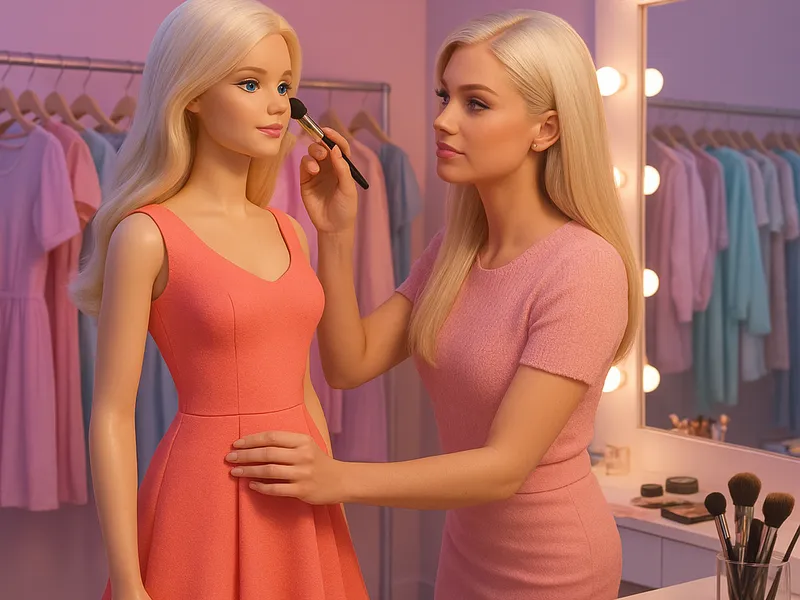
Barbie Dress Makeup Games is a phrase that sits at the intersection of fashion imagination and playful digital creativity. In today’s mobile and browser based entertainment landscape, this genre stands apart by blending a recognizable brand with a hands on design process that mirrors real world styling. The language of the games leans into bright visuals, friendly interfaces, and a promise that anyone can experiment with outfits, makeup, and storytelling without needing prior training. Yet beneath the charm lies a careful craft of visual design, UX flow, and cultural signaling that invites players to explore identity, trend cycles, and the craft of presentation. This article surveys what makes Barbie Dress Makeup Games appealing, how they compare to other dress up experiences, and what designers and players can take away to enrich this space.
First the aesthetics and the player journey. Barbie Dress Makeup Games typically foreground a stylized studio or boutique environment where choices unfold across three core pillars: wardrobe, cosmetics, and scene setting. The wardrobe modules present an array of dresses, jackets, accessories, and footwear that span classic Barbie silhouettes to modern fashion fantasies. The makeup module covers color palettes, brushes, primers, and finishes, translating makeup theory into approachable, bite sized decisions. Scene settings—backdrops, lighting, and props—let players stage their looks for virtual photo shoots or social sharing. The success of these games rests on a three fold balance: immediate feedback, visual coherence, and a sense of progression. Immediate feedback comes as soon as a user experiments with an item or a shade; the scene updates with a polished render, often accompanied by a subtle physics based shimmer or reflection. Visual coherence is achieved through brand aligned palettes that feel both aspirational and approachable. Progression, meanwhile, is built through unlocks, limited time collections, and curated story moments that give players purpose beyond mere decoration.
Comparison matters when we situate Barbie Dress Makeup Games among other dress up and makeup franchises. In table form, a snapshot helps illuminate differences and common ground.
TABLE
Feature — Barbie Dress Makeup Games — Other Dress Up Games
Aesthetic language — Brand tied with iconic pinks and polished couture cues — Varied styles from arcade to realistic
Customization depth — High with outfits, makeup, and scene control — Moderate varying by title
Onboarding experience — Quick to start with guided tutorials — Variable complexity
Play pace — Accelerated creative cycles for quick renders — Can be slower with layered tasks
Monetization model — Cosmetic packs and seasonal themes — In app purchases and ads
