
Bedroom Rugs
Article
2025-12-12 • 5 min read

Bedroom Rugs

A well chosen bedroom rug can transform the feel of a space by adding warmth, sound dampening, and a layer of texture that ties together furniture finishes and textiles. In contemporary homes the rug is no longer just a floor covering but a design instrumen...

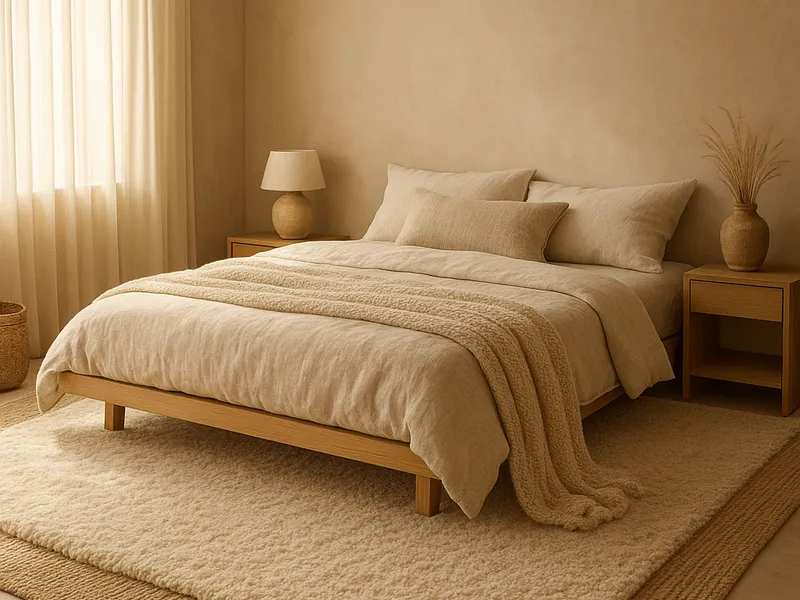
A well chosen bedroom rug can transform the feel of a space by adding warmth, sound dampening, and a layer of texture that ties together furniture finishes and textiles. In contemporary homes the rug is no longer just a floor covering but a design instrument that guides color palettes, shapes the scale of a room, and provides a tactile counterpoint to sheets, cushions, and upholstery. When shopping for bedroom rugs, you are choosing not only a surface to step on but a mood you want to sit with each morning and unwind into at night.

Material choice is foundational. Wool rugs offer durability, resilience, and a natural spring that feels comfortable under bare feet. They tend to resist stains and shed less than high pile synthetics once broken in, though they can be pricier and heavier to move. Cotton rugs are lighter and affordable, with a soft hand and easy care, but they may show wear and flatten more quickly in high traffic areas. Synthetic fibers such as polypropylene or polyester are budget friendly and surprisingly resilient against stains and fading, making them practical for households with kids or pets, though they can feel less plush underfoot and may retain footprints after vacuuming. Natural fibers like jute and sisal bring organic texture and a casual, earthy vibe, but they can be rough on delicate skin and are more susceptible to moisture damage. For mixed spaces, consider a blend that balances softness with durability, or layer a durable base rug with a thinner, softer top rug to achieve both comfort and longevity.

Size and placement are essential to achieve a harmonious composition. In a typical bedroom, a single large rug can anchor the bed and provide a comfortable path to the door, especially when it extends beyond the sides and foot of the bed. In smaller rooms, a runner or a smaller rug under the lower third of the bed can create a sense of width without overwhelming the floor. Layering is a popular technique: place a larger, low pile base rug under the bed and a second, narrower rug on top for added texture and color contrast. When selecting a pattern, consider the scale of the room and the bed. Bold motifs can become focal points in larger spaces with minimal furniture, while quieter textures work well in small rooms or bedrooms that already feature busy patterns in bedding or curtains.

Bedroom Rugs

Color strategy matters as much as texture. A rug can pull together a room’s palette or introduce a new accent color without requiring a full remodel. If walls are a neutral backdrop, a rug with a saturated hue or a nuanced multicolor pattern can serve as the room’s architectural feature. In calmer schemes, a rug with subtle tonal shifts or a soft gradient can create depth and interest without competing with other elements. Patterned rugs are versatile but can dictate the feel of the space; geometrics tend to feel modern and crisp, while traditional florals or distressed vintage patterns impart warmth and character. If you prefer a minimalist approach, a solid rug in a rich material or a subtly textured weave can offer the needed warmth without visual clutter.

Shopping options are abundant, and understanding where to begin helps. Large marketplaces like Wayfair and Amazon present broad catalogs with a range of prices and user reviews, making it easy to compare styles quickly. For design-forward pieces and curated materials, West Elm and Anthropologie offer rugs that align with contemporary and bohemian aesthetics, often featuring ethically sourced fibers and refined finishes. IKEA provides wallet friendly options that fit many budgets, with straightforward designs that pair well with simple, modern bedrooms. Rugs USA specializes in diversity of patterns and sizes, frequently running sales that can reveal surprising value. For homes focused on practicality, Ruggable offers washable rug systems that can simplify maintenance in bedrooms with kids or pets. For premium, natural fibers, Parachute and similar brands emphasize soft textures and timeless palettes, often with a storage friendly approach to caring for delicate materials. Each retailer has its strengths: some emphasize fashion and trend alignment, others prioritize durability and value, and a few blur the lines between furniture and textiles with sustainable or artisanal credentials. A balanced approach is to identify your priority—ease of cleaning, investment in luxury texture, or breadth of patterns—and compare a handful of options across two or three retailers to find the best combination of price, quality, and service.

Care and maintenance extend the life of a rug and protect your investment. Start with a good rug pad to prevent slipping and to add cushioning, sound absorption, and an extra layer of protection for floors. Vacuum regularly, using a gentler setting on delicate fibers and a stronger pass on higher traffic areas. Rotate rugs every few months to minimize uneven wear and sun fade from windows. Spills should be blotted promptly with a clean, dry cloth rather than rubbed, and you should use a cleaner recommended for the rug’s fiber type. For washable or stain resistant options such as synthetic blends, follow the manufacturer’s cleaning guidelines. In rooms with pets, consider a protective approach: frequent brushing of fur, prompt stain treatment, and a more forgiving fiber choice to ease upkeep. If the rug needs a refresh without replacement, consider combining a new runners or a smaller textured rug with the existing setup to reframe color and scale without overhauling the space.

In terms of best practices for buying, take advantage of samples or swatches when offered. Seeing and feeling a rug in your own lighting helps you evaluate softness, warmth, and how the pile interacts with your bed linens and curtains. Check return policies and shipping arrangements, especially for large or heavy rugs, as many retailers offer convenient home delivery with assembly windows or on-site installation options. When in doubt, measure the bed and the surrounding area, then map an approximate rug footprint on paper to visualize how different sizes will balance the room. Layering and color coordination don’t require a perfect match; they require intention. Start with a foundation color that harmonizes with your walls and bedding, then select a second hue in patterns or textures that adds depth without creating visual chaos. In many bedrooms, a simple, well-chosen rug becomes the quiet anchor that elevates a sleep space into a serene retreat.

← Back to all articles