
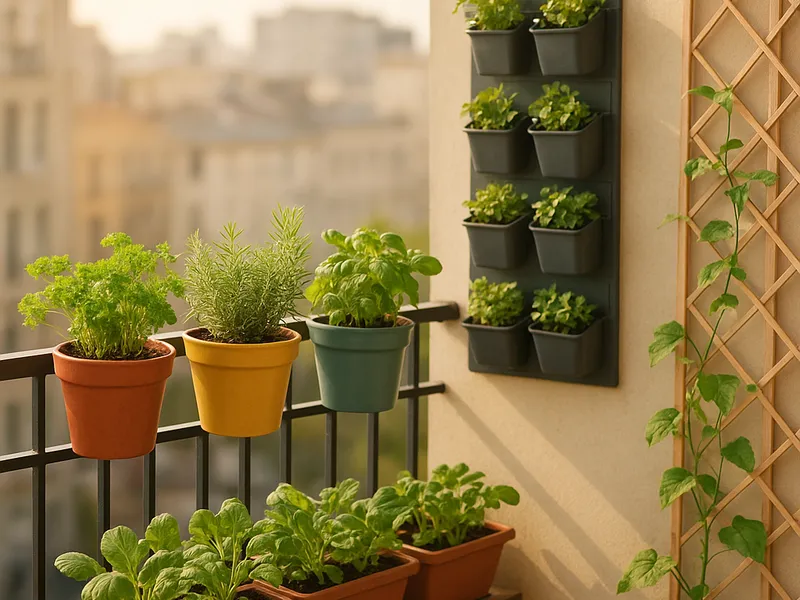
A balcony garden is more than a sprinkle of pots on a railing; it is a compact system that can deliver fresh herbs, leafy greens, and a touch of greenery to a city apartment. For beginners, the goal is simple: create a small, manageable growing space that fits your balcony size, sun exposure, and daily routine. With the right containers, lightweight potting mix, and a plan for water and sun, you can cultivate a productive space that looks inviting and requires only modest maintenance.
Planning is the foundation. Start by observing how much sun your balcony receives throughout a typical day. Full sun means at least six hours of direct light, which is ideal for most herbs and many vegetables. Partial sun or light shade means you should select plants that thrive with lower light and that won’t mind cooler temperatures in the morning or late afternoon. Weight is another crucial factor. Balconies have load limits, and heavy clay pots can become cumbersome quickly. A practical approach is to mix lightweight planters with a few sturdy, compact pots and consider rail planters or vertical systems to maximize space without overloading surfaces.
Containers and planters come in many shapes and materials. Rail planters are excellent for maximizing edge space, while hanging baskets can hold trailing herbs or leafy greens. Traditional pots in plastic or fiberglass tend to be lighter than terracotta, but they may heat up more in strong sun, which can affect root warmth and moisture loss. Ensure every planter has drainage holes and pair pots with saucers or trays to protect the balcony surface. When space is tight, consider vertical options like a fabric pocket system, a wall-mounted panel, or a small trellis for climbing herbs or compact tomatoes. The key is to balance style with function and to keep the overall weight within safe limits.
Soil and drainage matter as much as the container. Use a premium potting mix designed for containers rather than garden soil, because it drains well while holding enough moisture for several days. Add a thin layer of gravel or small stones at the bottom if your planters lack a good drainage grid; this helps prevent soil from clogging drainage holes. For herbs and greens, a light, airy mix will support robust root growth and reduce the risk of root rot in warm weather. Don’t overpack pots with dense soil; containers should allow root expansion and air flow. A simple secret of success is consistent moisture without creating a soggy root zone. Use a watering schedule that mirrors local weather, and let the top layer of soil dry slightly before watering again. A mulch of organic matter on top can reduce surface evaporation and keep soil cooler on hot afternoons.
