
Best Auto Insurance Quotes
Article
2025-12-09 • 5 min read

Best Auto Insurance Quotes

In today’s digital marketplace, finding the best auto insurance quotes is less about chasing the lowest price and more about securing a balanced package that fits your car, your risks, and your wallet. The phrase Best Auto Insurance Quotes is a common search for drivers who want transparency, speed, and reliable coverage.

In today’s digital marketplace, finding the best auto insurance quotes is less about chasing the lowest price and more about securing a balanced package that fits your car, your risks, and your wallet. The phrase Best Auto Insurance Quotes is a common search for drivers who want transparency, speed, and reliable coverage. The good news is that the market offers a wide range of options, from national brands with extensive agent networks to direct insurers that push a streamlined online experience. The challenge is to compare like with like, so you can see true value rather than a slick headline.

First, understand what drives the price of an auto insurance quote. Rates are influenced by your driving history, age, location, and the type of vehicle you drive, as well as how you use it. Where you live affects accident frequency, theft risk, and medical costs, which insurers translate into your premium. Your vehicle’s safety features can earn you discounts, as can having anti theft devices, telematics programs, or a clean driving record. Your credit history in many states can also play a role in pricing, though regulations vary by region. Finally, the level of coverage and the deductibles you choose will largely determine the final number. A higher deductible lowers the premium, while broader coverage raises it.

When you begin the hunt for quotes, you will encounter a mix of carriers. Geico tends to be competitive on price for basic liability and has a user friendly online quote tool. Progressive offers a wide range of options and its Name Your Price tool gives a ballpark idea of what you can afford, while also showing how increasing coverage or changing deductibles changes the cost. State Farm is known for its expansive agent network and reliable claims handling, which can be comforting for buyers who want a personal touch. Allstate provides a robust set of add ons and a strong digital experience, including risk assessment tools that help you tailor your policy. USAA serves military members and their families with consistently strong pricing and service, though it is not open to everyone. Farmers, Nationwide, and Liberty Mutual round out the broad market with solid regional strengths, generous discounts, and digital quote flows that appeal to different kinds of shoppers. Esurance, now part of the Allstate family, emphasizes a direct to consumer approach with streamlined online quotes and modern tools.

For a practical comparison, start with direct quotes from each major carrier’s website. This approach gives you the cleanest view of base coverage, deductibles, and discount opportunities. Then visit comparison sites or broker platforms. The Zebra and Compare.com, for example, aggregate quotes from multiple insurers, allowing you to see side by side price and coverage differences quickly. These platforms can be especially useful if you want to gauge how a particular driver profile translates into savings across several brands without visiting dozens of different sites. Finally, consider consulting a local independent agent who can bring in regional carriers and provide personalized guidance, especially if you have unique needs such as a customized vehicle, unusual driving patterns, or specific liability concerns.

Best Auto Insurance Quotes

How to run a thorough quote comparison without getting overwhelmed. First, know in advance the coverage you want. A typical auto policy includes liability for bodily injury and property damage, plus optional coverage such as collision, comprehensive, medical payments, personal injury protection, and uninsured/underinsured motorist protection. Decide your liability limits. If you drive in an area with high medical costs or you have significant assets to protect, you may want higher limits. Next, choose deductibles that fit your budget. Higher deductibles reduce monthly or annual payments but require more out of pocket if you have a claim. Consider bundling options—adding home, renters, or umbrella coverage can unlock additional discounts. Finally, assemble your information. You will need driver details, vehicle information including the VIN, current coverage, estimated annual mileage, and if you plan to participate in any telematics programs.

Telematics programs, sometimes called usage based insurance, are increasingly common. These programs reward safe driving with discounts and can help tailor rates based on actual driving habits. If you are a careful driver, you might find that the savings justify participation. If you prefer more predictability, you can opt out or choose a fixed rate structure from some insurers. When evaluating telematics, compare how long the tracking period lasts, what data is collected, how you are billed for the program, and what happens if you switch carriers later. Also look for privacy assurances and how your data is used for pricing.

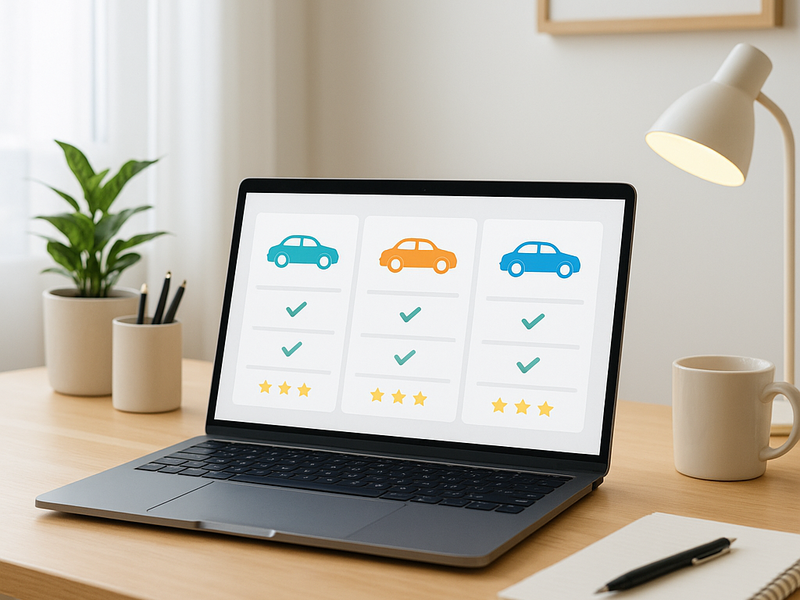
From a design and user experience perspective, the best auto insurance quote experiences communicate clearly and honestly. On a well-designed page, you should see a transparent breakdown of the quote: base premium, deductibles, discounts, and the final annual or monthly cost. Helpful features include side by side comparisons, tooltips that explain terms like liability limits and collision coverage, and a dedicated section for discounts (multi policy, good student, safety features, or military status). Visual cues like color-coded pricing and a quick summary of what is included in each policy can help reduce the cognitive load. Trust signals such as third party ratings, consumer reviews, and clearly stated claim settlement times also matter for buyers who value peace of mind as much as price.

Bottom line: the best quotes come from a blend of price, coverage quality, service credibility, and the overall shopping experience. No single carrier is the universal winner; the right choice depends on your personal risk tolerance, your vehicle, and your financial situation. Start with accurate inputs and create a matrix that compares price, coverage, deductibles, and discounts. If you take the time to gather quotes from several major carriers and a few independent platforms, you will be well positioned to select an auto policy that not only fits your budget but also protects you when it matters most.

← Back to all articles