
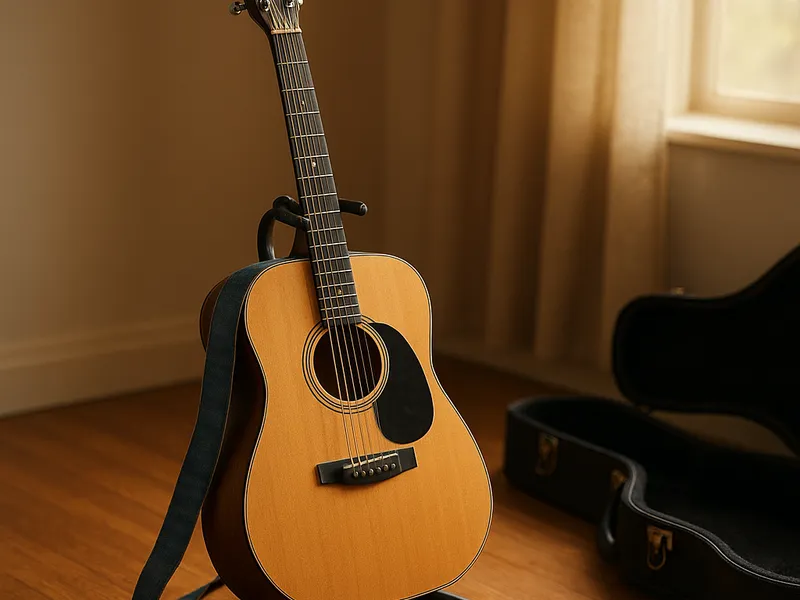
Best Beginner Guitar Accessories are the small, reliable upgrades that make practice more enjoyable, protect the instrument, and help a new player sound better sooner. The idea is to build a practical starter kit that covers a few core needs: tuning, comfort, playability, maintenance, and transport. When you start out, you don’t need every gadget on the market, but you do want a handful of dependable items that are easy to use and widely available. In the following, you’ll find a clear guide to essential gear, practical buying tips, and a practical comparison of major retailers that frequently stock beginner friendly guitar accessories.
First, the essentials to consider. A good clip on tuner is almost universal for beginners because it gives quick, visual feedback on pitch without requiring a long setup. The best models clamp to the headstock and read vibration or air resonance, so you don’t have to play to see if you’re in tune. A sturdy strap is the second most important item for comfort and posture; nylon straps with reinforced ends tend to be durable for practice sessions, while leather options feel premium and stay comfortable during longer playing. For many beginners, a set of light gauge strings improves playability, but it’s often better to gauge your instrument first; if you’re starting on an older guitar, a new set can dramatically improve tension and tone.
A capo is another versatile tool—effective for learning chords in different keys and for practicing intonation without changing finger positions. Capos come in spring loaded designs and more nuance heavy clamps, but for most newcomers, a simple, reliable spring capo works well. Plectrums or picks are your personal touch on tone; a few different gauges in a small pouch will help you discover your preferred feel and sound. A string winder and mightily useful peg winder speed up restringing time, making maintenance less of a chore and more of a routine.
Don’t overlook a simple stand or wall hanger for safe storage when you are not playing. A padded gig bag or soft case protects the guitar during transport and in storage while a basic cleaning cloth helps remove fingerprints and dust after practice. While not strictly essential, a small humidifier specifically designed for acoustic guitars can keep neck relief and wood condition stable in dry environments. If you are serious about maintenance early, consider a starter care kit that includes fretboard oil and a microfiber cloth.
Now a few practical buying tips. When choosing a tuner, look for a compact model that clips securely, reads at a wide range of notes, and has a simple display. Try it in the store if you can to ensure it clamps securely and doesn’t slip. For straps, test the length by wearing the guitar and adjusting so that your elbow is comfortable and the guitar rests in your lap when sitting. If you’re buying a capo, ensure it fits your guitar neck radius and that it engages and releases smoothly with a simple squeeze. For strings, most beginners start with light gauge sets; if you have a fragile or older neck, a lighter tension set can reduce tension on the neck while still delivering good tone. Keep a spare set of picks around to experiment with tone and attack. When evaluating stands and cases, ensure the stand is stable on your floor and the case offers adequate padding and easy access pockets.
