
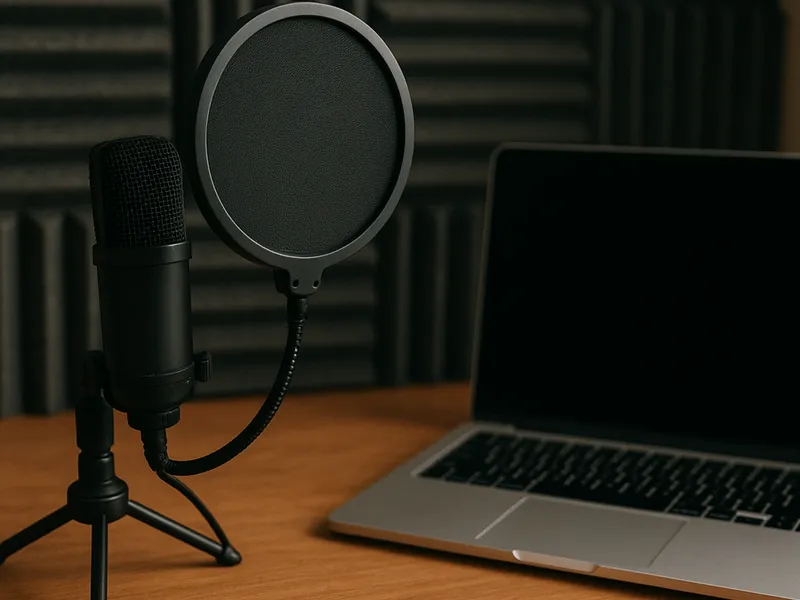
If you are starting a podcast, streaming your gameplay, hosting a remote interview, or simply joining virtual meetings, the clarity of your voice matters more than the flashy features of your gear. Fortunately, you don’t have to break the bank to sound confident and professional. The best budget microphones for clear voice combine ease of use with solid audio quality, making them practical choices for beginners and seasoned creators alike. In this guide, you’ll find practical criteria for choosing a cheap mic, quick setup tips, and real world comparisons of popular budget options from well known retailers.
First let us demystify what budget means in the microphone world. A budget mic generally covers gear priced roughly under a few hundred dollars, with many strong contenders in the thirty to hundred dollar range. The most meaningful distinctions are the microphone type, the connection method, and the intended use. USB microphones are the simplest path to good sound; you plug into a computer and go. XLR microphones, by contrast, often require an audio interface but can offer greater flexibility and higher quality in the long run if you plan to expand a home studio. Dynamic mics tend to reject background noise better than condensers, which makes them appealing in imperfect rooms; condensers capture more nuance but can pick up room chatter if you don’t treat the space. For voice focused work like podcasts, interviews, and voiceovers, a cardioid pattern microphone keeps the sound focused on your voice and reduces side noise.
When it comes to value, several brands consistently show up on lists of the best budget microphones for clear voice. For USB only setups that are easy to deploy, the Fifine and Blue lines are popular with streamers and students for their straightforward operation and decent voice reproduction. If you want a microphone that can grow with you, look at USB and XLR combo mics such as the Audio-Technica ATR2100x-USB or the Behringer XM series. These give you USB today and XLR later, allowing you to upgrade your studio without replacing the mic. For more rugged builds and strong on air performance, the Samson Q2U is a widely recommended dynamic option with USB and XLR compatibility. If you prefer a traditional condenser at a friendly price, models like the MXL 990 offer more presence on voice with the caveat of requiring phantom power in most setups.
Let us compare some top budget options across common buying platforms.
Best overall value USB mic for beginners: Fifine K669B. This compact USB cardioid mic is plug and play with most computers, and its price point makes it an attractive entry point for students and content creators just starting out. It delivers clear spoken voice with a respectable low end and a soft top, which helps tame sharp sibilance during long recordings. Setup is minimal; you simply connect to USB and select the mic as your input device in your operating system or software. It’s widely available on major retailers like Amazon and regional electronics stores, often backed by generous return policies and decent warranty terms.
Solid all around USB option with robust build: Blue Snowball iCE. A familiar design with a straightforward USB connection delivers reliable sound at a budget price. Its cardioid pattern does well for solo speaking tasks and its simple hardware footprint makes it ideal for small desks. Availability is broad, including big retailers and audio specialty shops, which makes it easy to compare prices and read user reviews before purchasing.
