
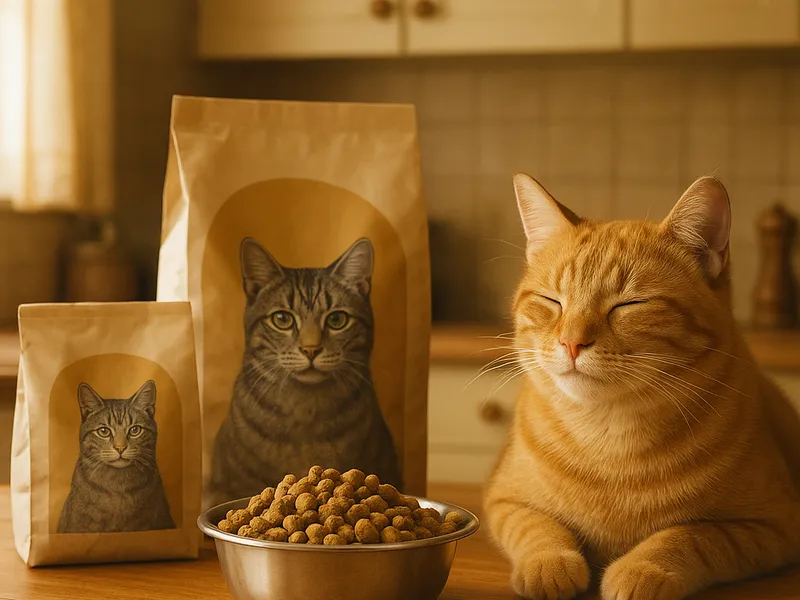
Choosing the best cat food is not a one size fits all decision. Cats are small carnivores with exacting nutritional needs, and the right diet can influence energy, coat quality, digestion, and long term health. The term best in this context means food that reliably meets your individual cat’s life stage, medical considerations, and taste preferences while staying convenient and affordable for you. In this landscape, you will encounter a mix of dry kibble and wet canned formulas, veterinarian recommended lines, and many brand promises. The goal is to translate those promises into a practical plan that your cat will actually eat and thrive on.
Understanding what matters most starts with nutrition basics. Look for a protein source that comes from named animal ingredients near the top of the ingredient list. Cats savor meat and need high quality protein to maintain muscle mass and metabolic function. Fat content should be appropriate for energy needs, with essential fatty acids like linoleic acid and often added taurine, which is crucial for heart and eye health. Carbohydrates should not be the main energy source, but small amounts can help with texture and palatability. Fiber supports digestion, but the balance matters. AAFCO statements on the packaging—complete and balanced for the appropriate life stage—are a useful guide. If your cat has a health condition, such as kidney disease, obesity, or food allergies, consult a veterinarian for a tailored plan and consider prescription or specialty formulas.
Dry versus wet is a common point of confusion. Dry kibble helps with dental health in some cats and is generally more affordable and convenient for long term feeding. However, wet food increases moisture intake, which can help hydration, especially for cats that don’t drink a lot of water. A practical approach for many households is to mix both forms, using a high quality dry base with a portion of wet food to boost palatability and hydration. If your cat is a picky eater or has a sensitive stomach, you may want to try single protein lines without unnecessary fillers, and gradually adjust based on what your cat accepts.
When you look at brands, several names dominate the conversation for good reason. Hill’s Science Diet and Royal Canin are often recommended by veterinarians for their clinically tested lines targeted to life stage and health concerns. Purina Pro Plan and Blue Buffalo offer wide assortments that balance price with nutrition, including grain inclusive and grain free options. Wellness CORE emphasizes higher protein and grain free formulations, while Orijen and Acana push for biologically appropriate profiles with regional ingredients. Each brand has multiple product lines, so it helps to compare similar formulas rather than chasing the flashiest claim. For example, you might compare a Hill’s Science Diet adult chicken formula with a Royal Canin adult protein formula to see how they differ in protein type, fat content, and moisture—even if the two brands carry similar labels on the shelf.
