
Best Dental Implants In My Area
Article
2025-12-11 • 6 min read

Best Dental Implants In My Area

Finding the best dental implants in your area is a process that hinges on expertise, technology, and clear communication about goals and price. While “best” is ultimately personal, you can make a well informed choice by comparing clinics on a few reliable c...

Finding the best dental implants in your area is a process that hinges on expertise, technology, and clear communication about goals and price. While “best” is ultimately personal, you can make a well informed choice by comparing clinics on a few reliable criteria: clinician credentials, the implant systems they use, the technology available for planning and surgery, aftercare options, and total cost including any grafts or restorations. A thoughtful approach not only improves your chances of a successful, natural looking result but also reduces unexpected surprises as you move through treatment.

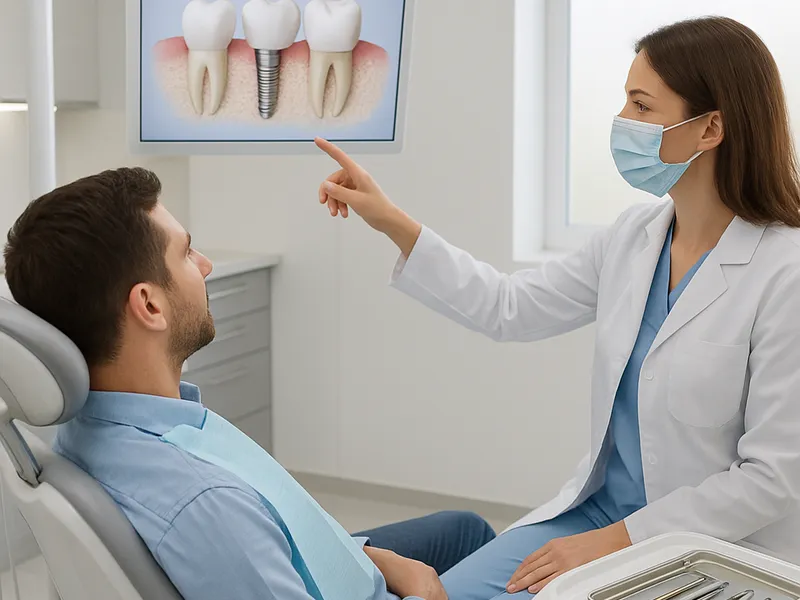
Start with the basics of the clinic and the surgeon. Look for a dentist or implant specialist who holds current dental implant certifications, and who regularly places implants rather than doing it only sporadically. In many markets, you’ll find prosthodontists, periodontists, and general dentists with advanced training all offering implants. The most important factor is the surgeon’s track record with implants similar to your case—bone loss, sinus considerations, or need for bone grafting can influence what system is best. Don’t hesitate to ask for case examples or before and after photos, and request to speak with patients who had procedures comparable to yours. Check the clinic’s sterilization standards, the use of digital imaging such as cone beam CT scans, and whether they offer guided surgery that can increase precision and reduce chair time.

Understanding the implant brands and systems used by a clinic helps you compare long term outcomes and maintenance needs. The three or four most common families you will encounter are well established for reliability and have broad clinical evidence behind them. Straumann is known for rigorous research, broad product lines, and strong long term data; many experts regard it as a premium option with robust osseointegration and versatile indications, including immediate loading in suitable cases. Nobel Biocare has a long heritage in restorative dentistry and a wide set of options for complex rehabilitations, with an emphasis on integrated planning and guided surgery. Zimmer Biomet offers options that balance performance with value, including systems designed for good bone preservation and straightforward workflows. Dentsply Sirona’s Astra Tech and related systems are popular for their reliability and compatibility with advanced imaging and planning software. There are other established brands like BioHorizons and several regional manufacturers that provide solid options at different price points. The key is not to chase the flashiest marketing promise but to understand which system your surgeon has the most experience with and which one aligns with your bone condition and bite.

Technology and planning tools also matter. A clinic that uses three dimensional imaging, digital scanning, and computer guided planning can offer more predictable results, particularly if you need complex bone grafting or sinus lift procedures. Ask about the workflow from initial assessment to final crown: imaging, surgical guide production, the surgery itself, temporary teeth if needed, abutment options, and the lab process for final crowns. Some facilities provide on site milling or rapid prototyping of temporary or final prostheses; others collaborate with accredited dental labs. If aesthetics are paramount, request to review shade matching prototypes and mockups to ensure you are comfortable with the final appearance.

Best Dental Implants In My Area

Cost is a reality in implant dentistry, but it should be transparent and justified. Total cost depends on several variables: the number of implants, whether bone grafts or sinus lifts are required, the type of crown or prosthesis, and whether you need additional procedures such as soft tissue pocket depth control or implant surface enhancements. In many markets, you will see a range where single implants, abutments, and crowns can add up quickly, but there are financing options, bundle pricing for multiple implants, and sometimes bundled packages that cover surgery, implants, and final restorations. Insurance coverage for implants varies widely; some plans cover adjacent procedures but not the implant itself. Ask for a written treatment plan that itemizes each component and includes a projected timeline. Don’t assume the lowest price equals the best value—factor in the quality of materials, the surgeon’s experience, post operative support, and the clinic’s warranty terms. A reasonable warranty on implants and final restorations is typical in many reputable practices, but the specifics vary.

If you are evaluating local options, a practical approach is to create a short list of two to four clinics. Start with a consult at each, bringing any existing X rays, scans, or photographs you have. Use the consult to compare how the surgeon communicates: do they listen to your concerns, explain the recommended approach clearly, and discuss all viable alternatives? Do they present realistic expectations about healing times and the potential need for multiple stages or temporary teeth? Do they explain what happens if complications arise? You should leave with a written plan, a clear cost estimate, and a sense that you are partnering with a team that prioritizes your comfort and long term oral health.

In practice, many patients also consider the overall experience: the cleanliness of the facility, the friendliness of the staff, the availability of flexible scheduling, and the ease of coordinating care with your general dentist or other specialists. With implants, long term success depends not only on the initial placement but also on meticulous aftercare, including oral hygiene, regular checkups, and timely attention to any changes in bite, gum health, or prosthetic components. Don’t forget to ask about maintenance: will you need peri implant cleaning appointments, and who provides post operative guidance on brushing and flossing around implants? If you travel for care or are considering a multi site provider, verify how records and imaging are transferred to avoid repeating imaging or losing critical information mid treatment.

Finally, if you are still unsure which path to take, consider a staged approach. Start with a single implant to restore a single tooth or a small area, to evaluate the surgeon’s technique, the integration process, and your comfort with the outcome before committing to a full arch solution. Some patients discover that a combination of implants, immediate loading for certain positions, and fixed bridges or hybrids is the most comfortable and reliable route for their mouth and lifestyle. The aim is a stable bite, natural aesthetics, and a restoration that you can care for with routine dental hygiene.

In sum, the best dental implants in your area depend on a careful blend of surgeon expertise, proven implant systems, modern planning technology, transparent pricing, and solid post operative support. By researching credentials, requesting case studies, reviewing treatment plans in writing, and comparing the overall value rather than price alone, you place yourself on a solid path toward a durable, natural looking result that serves you for years to come.

← Back to all articles