
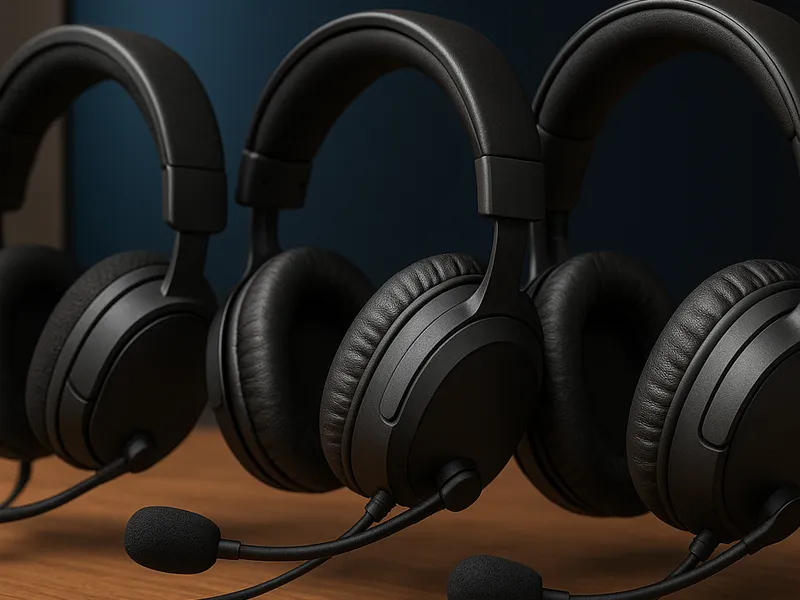
Choosing a gaming headset can feel overwhelming because the market spans from bare bones budget options to feature rich premium rigs. The right headset is less about chasing the most expensive name and more about matching what you value most in playtime: sound, comfort, microphone clarity, and how you’ll use it with your devices. A solid headset should feel light enough to wear for long sessions, deliver clear voice pickup for teammates, and provide sound that helps you hear footsteps, reloading, or the subtlest cues in a game. It should also connect simply to your platform, whether you play on PC, a console, or a mobile setup, and it should offer dependable software that lets you tailor the sound and mic to your preference.
Budget headsets are designed to give you solid audio without breaking the bank. In this tier you’ll find models that emphasize comfort and reliability over all-out audiophile precision. Commonly wired, these headsets use drivers that deliver clear, punchy sound suitable for competitive shooters, platformers, and immersive single player games alike. Look for padded headbands, swiveling ear cups, and sturdy cables. You’ll typically encounter virtual surround sound options rather than true multi driver configurations, which is perfectly adequate for most social and casual gaming sessions. If you’re on a tight budget, brands like Corsair, HyperX, and Razer have models that regularly perform well in user reviews and offer straightforward compatibility across PC and consoles via a standard 3.5 millimeter jack or USB connection.
When you compare budget options, start by noting where you will buy. Large retailers such as Amazon, Best Buy, and Newegg carry a wide variety of budget headsets and often run price matching or sales. Manufacturer-direct stores—Corsair, HyperX, SteelSeries—let you pick up bundles tailored to your needs, and they sometimes include enhanced warranty options. For many buyers, these retailers also provide generous return windows, which can be valuable if you discover comfort or mic quality isn’t what you hoped for after a few days of use. Reviews on these sites show how real users experience long sessions, mic noise, and compatibility with different platforms. If you value hands on testing, Micro Center and Best Buy stores offer in person testing in select locations, and sales staff can help you assess build quality and comfort. In short, budget buys are often about balancing price with comfort and basic sound quality, while keeping an eye on durability and the convenience of a simple return.
Mid-range headsets step up in several meaningful ways. They tend to offer better build quality, improved driver performance, and more sophisticated mic systems. Sound often becomes more balanced, with clearer mids and more precise highs, which helps in games that demand accurate audio cues and longer sessions where fatigue can creep in with cheaper cushions. Wireless variants in this tier become practical options, delivering the freedom to move around the room without sacrificing much in sound or mic performance. Common mid-range picks from reputable brands frequently include models that pair comfortable headbands with memory foam ear cushions and metal or reinforced plastic frames. For many players, the mid tier represents the best balance between price and performance, providing features once reserved for premium lines, such as more robust software customization, on-ear controls, and stronger detachable microphone designs. It’s worth exploring whether a mid-range option supports multiplexed USB DACs or virtual surround sound, and how its mic performance stacks up during voice chats in longer gaming sessions.
