
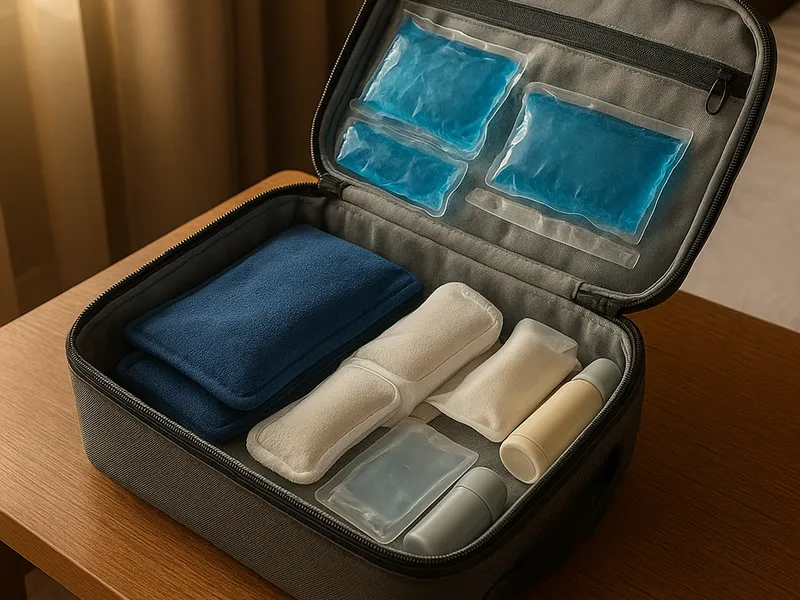
Having a reliable cooling option in your travel kit is more than a convenience; it can make the difference between a settled discomfort and a disruption that slows you down. Ice packs designed for injuries are not one size fits all, and when you are juggling schedules, flights, and hotels, the right pack can be your best companion. This guide dives into what makes a great ice pack for injuries and travel, compares trusted brands and retailers, and offers practical tips for using them on the go.
First consider what you need most from an ice pack on the road. Flexibility and coverage matter, because injuries can involve joints as well as soft tissue. A good travel ice pack should be easy to position around knees, ankles, wrists, and shoulders, without causing bulk that makes packing hard. It should seal securely to prevent leaks, stay pliable after freezing, and be safe for repeated use. Since travel often means irregular access to freezers, look for packs that reach a reliable cold temperature quickly and stay cold long enough to provide relief in short sessions between activities. In addition, the cover or sleeve should be soft against skin and easy to wash, because comfort and hygiene count when you are on the move.
Types and what they’re best for. The market typically offers several formats. Gel packs with flexible interiors tend to mold to the body and are forgiving around curves, which makes them ideal for wrists, ankles, or the small of the back. Phase change packs, which use materials that melt and solidify at specific temperatures, can offer longer-lasting cold for travel days spent sightseeing or driving. Instant cold packs, which are activated by squeezing or striking, are handy as a quick remedy when you don’t have time to pre chill. For frequent travelers, wraparound or sleeve styles with adjustable straps provide predictable compression along with cooling, improving comfort and stability during long flights or car rides. If you want heat as well as cold therapy, many products are designed to be heated in a microwave for hot therapy, then cooled for cold therapy, offering versatility in a single item.
Trustworthy brands and where to buy. Several brands have earned a solid reputation for reliability and availability across major retailers. TheraPearl is a well known name in reusable gel packs and wrap options. Their products typically combine a soft fabric cover with flexible gel beads, and they offer a range of shapes including small packs, knee wraps, and neck wraps. You can often find TheraPearl packs on major e commerce platforms and in stores such as drug chains and big retailers, which makes re stocking simple when you are traveling. Elasto-Gel is another established option known for packs that remain flexible when frozen and come in various sizes and wrap configurations. NatraCure provides a variety of gel packs and therapy wraps that are easy to use on the go and are commonly available at pharmacies and online marketplaces. Beyond branded options, many retailers offer generic or store brand gel packs that are compatible with most kits, giving travelers a budget friendly route without compromising basic performance.
