
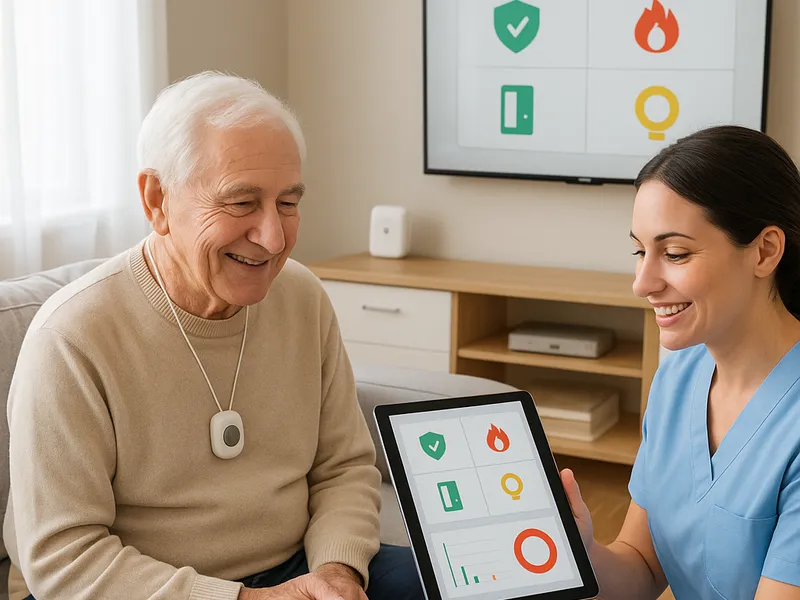
Senior safety systems have moved from luxury add-ons to practical necessities for many households. A life alert system is essentially a safeguard that blends wearable devices, home bases, and professional monitoring to ensure urgent help is available at a moment’s notice. For families and caregivers, the goal is simple: rapid access to assistance, whether the senior is at home, in the yard, or visiting a familiar locale. When you begin evaluating options, you’ll encounter a range of devices, subscription plans, and monitoring capabilities. The good news is that you can tailor a setup to match a senior’s lifestyle, medical needs, and budget.
At its core, a life alert system includes a wearable device, typically a pendant or wristband, that acts as a call button. Pressing the button connects the wearer to a monitoring center or a caregiver. Many setups also include a home base station that serves as the call hub, two way voice communication, and a loud speaker to confer with the responder. Some modern systems extend their reach with mobile or GPS-enabled options, allowing help to be summoned even when the user is outside the home. Water resistance, long battery life, and a comfortable, unobtrusive design are important considerations because daily use hinges on reliability and comfort. In addition to the hardware, the value of the service hinges on the monitoring center’s responsiveness, staff training, and the speed at which help is dispatched to salve the situation.
Choosing the right provider begins with a clear view of needs. Consider whether the senior spends most days at home and in familiar neighborhoods, or whether travel and errands are frequent. If staying home is the predominant pattern, a system with a sturdy home base and a large staff can be ideal. Conversely, if mobility is a big part of life, look for a provider that offers a mobile or GPS option that works away from the home base. Battery backup is another key factor; a system that runs on rechargeable power or has a long-lasting battery reduces the risk of a dead device during an emergency. For caregivers, access to a robust app or portal that shows status, last activity, and alerts can be a big help in coordinating support.
Here is how some of the leading providers stack up. Medical Guardian offers a broad suite of devices, including a wide range of pendant and wrist options, along with home bases and mobile solutions. The systems tend to pair well with flexible plans and a user friendly app that lets family members receive alerts and check on the senior’s status. Philips Lifeline is known for dependable monitoring and a long-standing reputation. Their offerings often emphasize simplicity and reliability, with options that cover in-home use as well as on the go with a mobile device. Bay Alarm Medical is popular for straightforward pricing and clear service terms, which appeals to families seeking predictable monthly costs and transparent hardware options. Life Alert, one of the most widely recognized names in the space, emphasizes quick access to emergency responders and a simple user experience, though some customers note the price can be higher than other options. ADT Health brings the security company’s extensive monitoring network and integrated home security ecosystem to life alert services, which can be attractive for households looking for a combined solution. When comparing these providers, think about coverage area, the types of devices offered, response times, whether there are any long-term contracts, and how easy it is to add caregivers to the account.
