
Best Mattress For Back Pain
Article
2025-12-22 • 5 min read

Best Mattress For Back Pain

Back pain can make the search for a new mattress feel like a medical assignment. The truth is that the right bed won’t erase every ache, but it can dramatically reduce how often you wake with stiffness, tight hips, or a nagging lower back twinge. A mattress...

Back pain can make the search for a new mattress feel like a medical assignment. The truth is that the right bed won’t erase every ache, but it can dramatically reduce how often you wake with stiffness, tight hips, or a nagging lower back twinge. A mattress that supports the natural curve of your spine and distributes weight evenly can lower the daily impact of back pain so you wake up feeling more rested and less worn. When choosing a mattress for back pain, it helps to have a clear sense of your body, your睡眠 habits, and what you expect from a bed after you turn off the light.

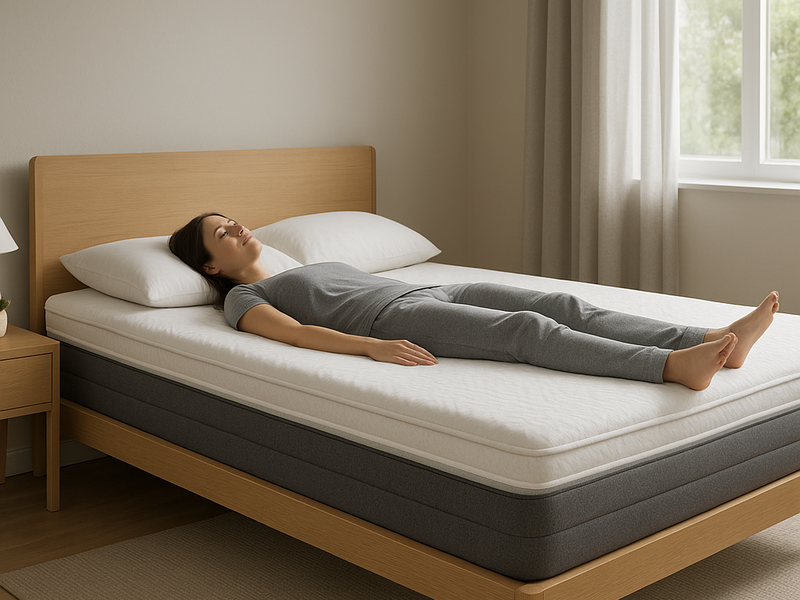
First, understand what your spine needs when you lie down. The goal is to maintain a neutral spine position, where the ears, shoulders, and hips align in a straight line. This is easier to achieve with distinct combinations of support and pressure relief. A mattress that is too soft can allow hips and shoulders to sag, creating a dip that strains the lower back. A mattress that is too firm can push against pressure points and lead to morning stiffness or numbness in the hips and legs. For most back sleepers, a medium to medium firm feel tends to strike a balance between support and contouring. Side sleepers who also experience back pain may benefit from a slightly softer top layer to ease shoulder and hip pressure, while keeping the core still properly supported.

Material chemistry matters as well. Innerspring and hybrid models with pocketed coils provide robust support and longer lifespans while allowing airflow that helps with temperature regulation. Memory foam and latex layers offer excellent contouring and pressure relief; some people with chronic pain notice fewer pressure points on latex because of its springy feel. Gel infusions or specialized foams can help with heat retention, a common complaint among hot sleepers. If you tend to overheat, you might favor a mattress with open cell foam, latex, or a coil design that encourages airflow. The best approach is to test both support and pressure relief, preferably in a bed that allows you to spend several nights on it.

Best Mattress For Back Pain

When you begin your shopping, you’ll encounter a handful of brands that are frequently recommended for back pain. Saatva’s classic and Plus models use coils with zoned support in the middle of the bed to stabilize the spine, while offering multiple firmness options. The structure is firm enough to keep you aligned, yet it cushions hips and shoulders where needed. Tempur-Pedic emphasizes high density memory foam for deep contouring and motion isolation; many back pain sufferers appreciate how slowly the foam moves to return to its shape and how it reduces pressure points, though some find the feel more “slab like” than bouncy. Purple’s grid design is not only cool to sleep on but also provides a unique blend of pressure relief and support by distributing weight more evenly. Casper’s Wave series adds targeted zoning and a mix of foams designed to address different body zones, which can help many back pain sleepers find a stable center while easing shoulder and hip pressure. For budget conscious shoppers, Nectar and Puffy offer strong value through generous trial periods and solid overall support, with layered foams that adapt to sleeping positions without breaking the bank. Avocado’s organic latex models appeal to buyers who want a more ecological option with robust durability and a responsive feel that can support the spine while still delivering pressure relief.

Beyond the brand, the practical aspects of buying matter a lot. Look for trial periods of at least a few months; back pain relief can take time to reveal itself as you settle into a new bed. Check warranties carefully, with an eye toward a lengthy coverage for sagging and a straightforward return policy if the mattress doesn’t deliver the promised sleep comfort after you’ve tried it in your own room. Consider a test route that includes both online shopping and in person showroom visits. Some brands offer generous home trials with no-hassle returns, which is helpful when you want to test the mattress on your own schedule and in your actual sleep environment. If you are interested in a more customizable sleep setup, consider a model with adjustable base compatibility, since changing elevation at the knees or upper body can help you find a pain-relieving alignment without sacrificing support.

If you’re on a tight budget, you can still pursue meaningful improvements. Use a high quality mattress cover or a medium firmness topper to adjust to your preferred feel without buying a new bed. A properly chosen bed frame or foundation matters as well; a sagging or unstable base can mimic the effects of a poor mattress by impairing alignment. For hot sleepers, prioritize models with cooling layers or better airflow; you’ll often see performance notes about temperature regulation in product pages, along with independent testing results. Regardless of price, prioritize a mattress that maintains spine alignment when you lie on your back and that can adapt to your main sleeping position. If you share a bed with a partner who moves a lot, look for models with quiet foam and strong edge support to minimize partner disturbance while preserving a stable sleeping surface.

In practice, your best plan is to map your needs to a few well-reviewed options and then leverage trial periods to verify which one aligns with your body. Keep notes on how you feel after a week of sleep, any changes in morning stiffness, and how long it takes to fall asleep and stay asleep. If you find relief after a period, you’ve likely found a strong match. If not, don’t hesitate to return or exchange under the trial policy, and use the opportunity to refine your criteria, perhaps prioritizing greater support in the central zone or a softer top layer to address pressure points. The market now offers a spectrum of designs that can meet the demands of back pain without compromising comfort. The right mattress won’t erase pain entirely, but it can reduce its frequency and intensity, and that is a substantial win for a better night’s rest and a more active day ahead.

← Back to all articles