
Best Medical Alert System
Article
2025-12-19 • 5 min read

Best Medical Alert System

Choosing a medical alert system can be a turning point for safety and independence, especially for seniors, people with chronic illnesses, or anyone living alone. At its core, a medical alert system is a trusted lifeline that links a wearable pendant or wri...

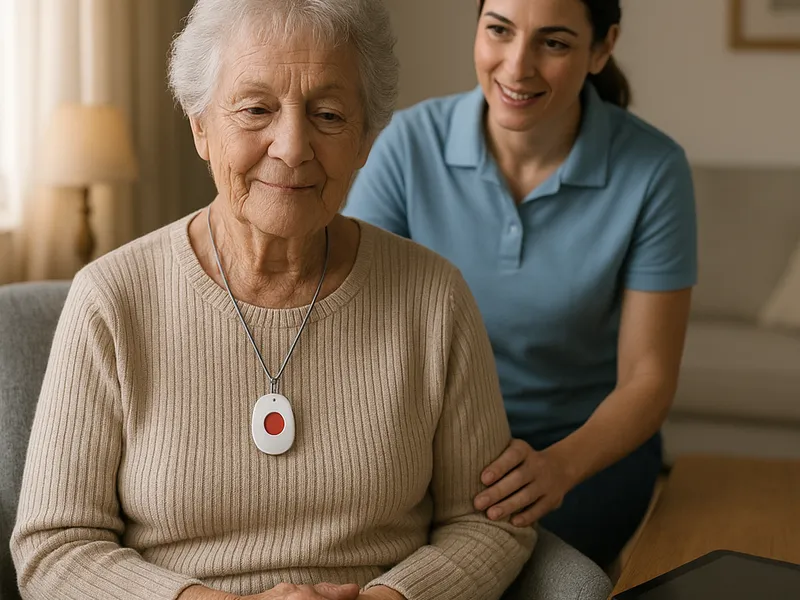
Choosing a medical alert system can be a turning point for safety and independence, especially for seniors, people with chronic illnesses, or anyone living alone. At its core, a medical alert system is a trusted lifeline that links a wearable pendant or wrist device to a monitoring center so that trained operators can quickly contact family members or emergency services when help is needed. These systems are designed to be unobtrusive day to day while offering reliable protection in moments of distress. The best setups balance ease of use with robust coverage, ensuring that a single button press leads to a confident response rather than a moment of anxiety.

Today there are several paths to consider when shopping for a medical alert system. The most common formats fall into three broad categories: landline based, cellular based, and dual network systems that use both landline and cellular networks. Landline based systems work with a home base unit connected to a traditional telephone line, while cellular systems ditch the landline entirely in favor of mobile communication, which is ideal for people who spend a lot of time outside the house. Dual network systems offer the best of both worlds, ensuring connectivity even if one network is temporarily unavailable. In addition to connectivity, many providers offer optional features that can be decisive for decision makers. Fall detection is a feature that can automatically trigger help if a wearer experiences a fall and cannot press the button themselves. GPS location is another important capability for active seniors or individuals who travel, because it helps responders locate the wearer quickly. Water resistance, battery life, and how the device is worn—pendant, wristband, or belt clip—also influence daily comfort and habitual use.

When it comes to choosing a provider, several names commonly come up because of their broad availability, reliability, and range of device options. Philips Lifeline, Medical Guardian, Life Alert, Bay Alarm Medical, and MobileHelp are frequently mentioned as leading choices, each with its own strengths. Philips Lifeline has a long history in the field and offers a spectrum of devices designed to be comfortable for everyday wear while maintaining strong network coverage. Medical Guardian is known for flexibility in device options, including multiple wearables and a mobile unit that can be used away from home, making it a strong choice for people who split their time between home and other locations. Life Alert has built a recognizable brand around 24 seven monitoring services and a straightforward setup, which can be appealing for families seeking a simple, trusted solution. Bay Alarm Medical is often praised for competitive pricing and a clear range of plans that fit various budgets, including mobile options for on the go use. MobileHelp combines home based systems with mobile devices and GPS features in a platform that appeals to users who value both immediate in home help and the option to get assistance while away from home.

Best Medical Alert System

When comparing these providers, it helps to create a short checklist tailored to your situation. Start with coverage and availability in your area, then review the devices each offers. Do you prefer a traditional home base unit, or are you drawn to a mobile wearable that works anywhere? Check fall detection options and consider whether automatic alerts are essential. For GPS capable plans, ask how location data is handled and who has access. Look at battery life and charging requirements because a device that is frequently out of service due to a dead battery defeats the purpose. Evaluate customer support quality by reading reviews about response times and the ease of setting up the system. Finally, carefully review pricing structures, including any upfront equipment costs, monthly monitoring fees, activation charges, and cancellation terms. Some providers also offer trial periods or money back guarantees, which can reduce the risk when you are trying a new system.

Beyond the numbers, think about how the system will be used in daily life. If the primary user is an active senior who enjoys outings, a mobile option with GPS is particularly valuable. If the individual mostly stays at home, a reliable landline or cellular home unit might be sufficient and can keep costs lower. For caregivers, consider whether you want remote access to the account to monitor activity or to receive alerts via a mobile app. Data privacy should also be part of the conversation; ask how personal information is stored and who can access it, including emergency contacts and medical information that may be loaded into the system. For those who are budget conscious, there are providers that offer competitive pricing without sacrificing essential features such as a quick alert button, two way communication, and dependable dispatch services.

If you are ready to purchase, a practical approach is to assess needs first, then request quotes from a few providers who serve your region. Take advantage of any trial periods to test device comfort, ease of use, and the clarity of the operator’s instruction during a test alert. Set up is typically straightforward: place the base station in a central, accessible location near common living areas, charge wearable devices, and pair them with the base unit. It is wise to test the system by pressing the button and speaking through the two way speaker to confirm that the monitoring center hears you clearly and can respond appropriately. Periodic tests—at least monthly—help prevent complacency and ensure ongoing reliability. Finally, inform close family members or caregivers about the system’s setup, how to use it, and how to respond when an alert is received.

In terms of tips for meaningful use, keep devices charged and within easy reach, especially near the bed or favorite seating areas. If you travel, verify roaming options with your provider and consider a plan that includes mobile coverage along with location services. For those with medical complexities, it can be helpful to store critical medical information and emergency contacts in the system profile so responders can access it quickly if needed. With the right system in place, a medical alert device becomes less of a reminder of vulnerability and more of a practical, reliable safety net that preserves independence and peace of mind for both the user and their loved ones.

← Back to all articles