
Best Resistance Bands for Beginners
Article
2026-01-22 • 6 min read

Best Resistance Bands for Beginners

Resistance training with bands has become a practical entry point for beginners who want to build strength, work on mobility, and stay consistent at home. Resistance bands are lightweight, portable, and offer smooth progression as you gain confidence and fi...

Resistance training with bands has become a practical entry point for beginners who want to build strength, work on mobility, and stay consistent at home. Resistance bands are lightweight, portable, and offer smooth progression as you gain confidence and fitness. For someone just starting out, choosing the right set and learning a few simple movements can unlock a steady routine without the intimidation of heavy weights or complicated machines. This article guides you through what to look for, how to compare popular brands, and practical steps to start using resistance bands safely and effectively.

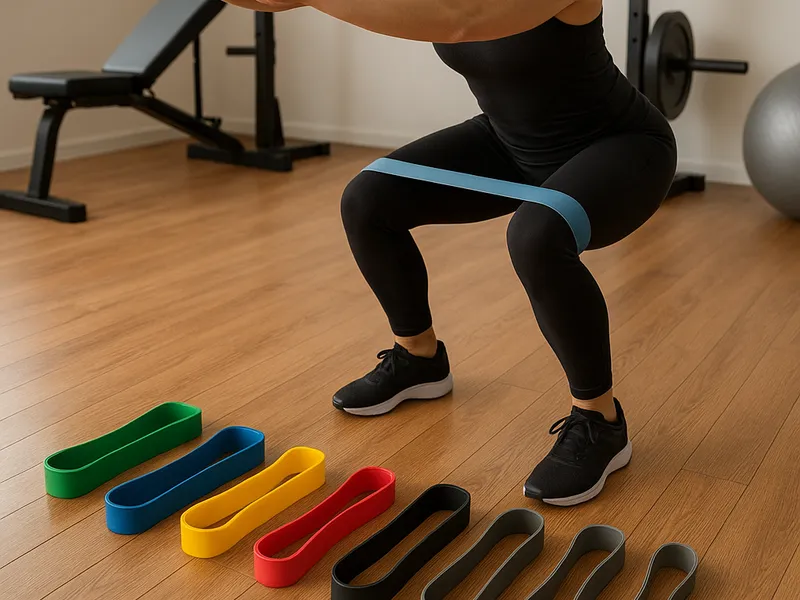
First, understand the main types you’ll encounter. Loop resistance bands are closed circles that come in varying widths and thicknesses. They’re excellent for warmups, hip and glute work, and leg exercises, and they tend to stay in one place during most moves. Tube or strap bands with handles are more versatile for multi joint exercises such as presses, rows, and curls, and they often come with a door anchor to expand the range of exercises you can perform at home. Beginner sets typically bundle several bands with different resistance levels, plus accessories like handles, ankle straps, and a door anchor. The color coding helps you estimate resistance, but the exact poundage can differ by brand, so always check the product specs before purchasing.

When choosing a beginner set, assess a few key factors. Durability matters, especially if you plan to travel with your bands or use them for a consistent routine. Latex bands are common and offer excellent elasticity, but if you have latex sensitivities, look for non latex or fabric alternatives. A good beginner kit should include at least three to five resistance levels so you can progress as you get stronger. Handles should feel secure in your hands and be easy to grip, ideally with comfortable padding. If you prefer a door anchor, make sure it is sturdy and easy to install. Some sets also include ankle straps for legable or glute work, which is a nice bonus for a complete starter program. Finally, consider the value offered by the bundle. A comprehensive set with an exercise guide, or access to online routines, can save time and help you learn proper form from the start.

Let us compare a few widely available options that many beginners find useful. Fit Simplify resistance band sets are among the most popular on major marketplaces. They typically offer multiple loop bands, a door anchor, ankle straps, handles, and a carry bag. The build is sturdy, and the color differences give you a clear sense of progression. This kind of set is ideal if you want a straightforward, all in one kit that travels well and keeps you stocked with options for upper and lower body work.

Black Mountain Products has a reputation for durable tube style resistance bands and complete sets that often include several bands, door anchor, handles, ankle straps, and a compact workout guide. The engineering tends toward long lasting elasticity and reliable resistance levels. If you value a robust, widely supported option for home gym beginners, BMP sets are worth considering. They are widely available on retailer sites as well as the brand’s own store, and you’ll often find customer support and warranties that favor new users.

Best Resistance Bands for Beginners

Whatafit offers a popular alternative that leans into value and versatility. Their sets typically include multiple tubes or bands with varying resistance, along with a door anchor, handles, and sometimes ankle straps. The emphasis is on providing a broad range of resistance in a single package, which makes it easy to adjust intensity for different movements or users within the same household. Whatafit products are commonly sold on major online retailers and can be a practical choice if you want a large variety of resistance options in one purchase.

On the higher end, Bodylastics and similar premium brands focus on reinforced construction and safety features. You’ll often find sturdier clips, higher quality attachments, and thicker elastic materials designed to withstand frequent use. These sets suit serious beginners who anticipate high frequency workouts or who want rugged gear that can double as travel equipment. While they cost more, the durability and longevity can be worth it for some buyers.

Discounting the brand names, think about where to buy. Large online marketplaces like Amazon and Walmart host dozens of brands and bundles, making it easy to compare prices and read user reviews. Official brand stores or dedicated fitness retailers often provide more detailed product specs and clearer warranty terms. If you’re shopping in person, sporting goods chains such as Dick’s Sporting Goods or Target sometimes carry beginner sets, which can help you assess material feel and handle comfort before committing. Regardless of where you shop, read the included exercise guide or look for reputable online routines from recognized fitness sources to ensure you’re starting with safe, effective movements.

A practical starter plan you can try in your first four weeks might look like this: begin with three sessions per week, focusing on full body movements. Day one can cover a chest press, standing row, and a squat with an overhead press using a light to moderate resistance. Day two could emphasize glute bridges with a loop band, a side step for hip abductors, and a standing leg curl. Day three is rest, and day four returns to a slightly stronger set of moves, including a shoulder press, lat pull down with the door anchor, and a deadlift pattern with a heavier band. Finish with a cool down and gentle stretches. As you progress, gradually increase resistance or switch to a heavier band to maintain a challenge. A simple progression rule is to replace a move with a more challenging version once you can perform the target reps with proper form without strain.

For safety and effectiveness, start with a light warmup that increases blood flow to the muscles you’ll use, such as marching in place or dynamic leg swings. Inspect bands before each use for cracks, excessive wear, or stitching failures. Replace any band that shows signs of damage to prevent snap injuries. Use controlled movements rather than jerking the band, and keep tension on the band throughout each rep to maximize muscle engagement. If you have shoulder or elbow concerns, consult a trainer to learn safer angles and grip positions. And remember, consistency beats intensity at the outset; a short, regular routine will yield better results than occasional intense workouts.

If you want to compare more options or tailor your setup to a small space, consider these quick tips. Look for bundles with a door anchor, a handful of handles for varied grips, and a clear user guide or access to online routines. Check return policies in case the resistance levels don’t feel right to you. If you travel often, opt for a lightweight set with a compact carry bag. And if you share equipment with a partner or family, a color coded system can help avoid confusion about resistance levels. With a thoughtful selection and a simple plan, resistance bands can be the foundation of an accessible, sustainable home workout routine.

← Back to all articles