
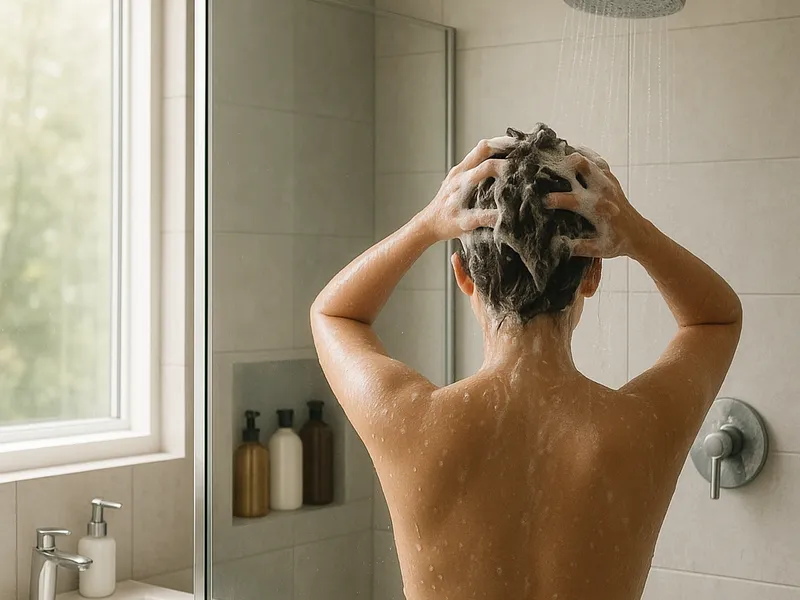
Choosing a shampoo for oily hair means focusing on ingredients that control shine without over stripping the scalp. Oily roots are a common concern, but the remedy is not simply washing more often. The right formula can balance sebum production, keep roots fresh longer, and nourish the ends that can feel dry from repeated cleansing. The key is understanding which ingredients reliably address oiliness, which ones absorb excess oil, and which combinations minimize irritation or rebound oil after washing.
First, look at cleansing agents. Surfactants are the workhorses that remove excess sebum and dirt. For oily hair, mild yet effective surfactants can do the job without leaving the scalp dry or irritated. Sulfates such as sodium lauryl sulfate or sodium laureth sulfate have strong cleansing power, which some people appreciate for oil control, but they can be too aggressive for sensitive scalps and hair types. Many reputable formulas now use gentler cleansers like sodium cocoyl isethionate or alkyl polyglucoside blends while still delivering a clean feel. If you notice persistent dryness or frizz after washing, you may want to switch to a milder surfactant system or alternate with a clarifying treatment less frequently.
Absorption and oil control are also about ingredients beyond surfactants. Kaolin or bentonite clays, charcoal, and other adsorbing minerals are common in shampoos designed for oily scalps. They absorb surface oil and impurities, helping to keep the roots feeling lighter between washes. Clay-based shampoos can be especially effective for people with very oily scalps or those who wear their hair up for long periods. A note of caution: clays can be drying if used too often, so they pair well with formulas that include scalp soothing components.
In addition to oil absorption, consider ingredients that regulate scalp oil production without overdrying. Niacinamide (vitamin B3) can support barrier function and help regulate sebum production over time. Zinc pyrithione is another well-known ingredient; it’s commonly found in anti dandruff shampoos and can help with scalp inflammation and flakiness that sometimes accompanies oilier scalps. Salicylic acid is a gentle beta hydroxy acid that exfoliates the surface of the scalp, helping to prevent pore clogging and reduce shiny patches at the roots. If you have a sensitive scalp, use products with lower concentrations or alternate with a soothing formula to avoid irritation.
For conditioning and texture without greasiness, look for lightweight, non heavy conditioning agents or consider focusing conditioner tips on the ends rather than the roots. Ingredients such as glycerin or lightweight silicones can provide slip and shine without adding extra oil at the scalp. Some people find that silicone free formulas work better for oily hair because they don’t seal the oil onto the scalp, while others feel a small amount of silicone helps control frizz at the ends. It’s mostly about testing what works for your hair type and climate.
