
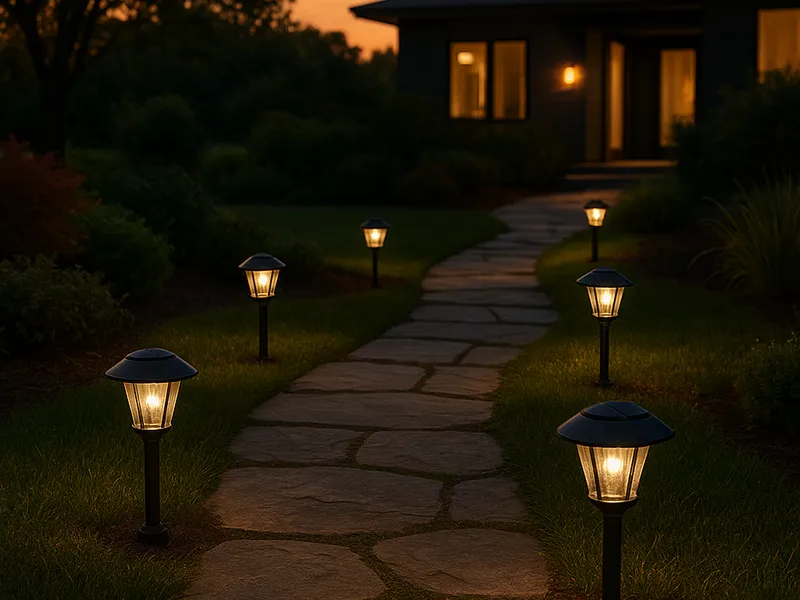
Durable solar outdoor lighting has become a reliable staple for homeowners who want safe, energy efficient illumination without the hassle of wiring. When you search for Best Solar Outdoor Lights That Don’t Die in a Week you will quickly notice a wide range of options, from chic pathway lamps to powerful floodlights. The key to lasting performance is not simply brightness but a combination of resilient construction, advanced charging technology, and dependable weather sealing. In practice, a well chosen solar light should greet you with a steady glow night after night, even after a season of sun exposure, rain, and temperature swings.
What makes solar lights durable enough to survive week after week is a balance of design and technology. First is the battery chemistry and capacity. Many affordable lights use small NiMH or Li ion packs that can degrade with heat or deep discharge. Higher quality units often pair a larger capacity lithium iron phosphate or lithium ion battery with smart charge control, which protects the cell from overcharging in bright sun and from deep discharge during long nights. Second is the solar panel. A robust panel not only converts more sun into usable energy but also tolerates angle drift and partial shading without dramatic power loss. Third is enclosure and joinery. Durable housings made from die cast aluminum, powder coated metals, or UV resistant polymer with gasket seals keep water and dust out. IP ratings of IP65 and higher are common markers of weatherproofing that truly matter in outdoor environments. Finally, manufacturers that include reinforced stakes, stainless screws, and tempered glass shields tend to weather the elements better. In short, durability combines battery life, panel reliability, and rugged construction.
When you shop, use a practical checklist to compare products. Start with battery type and capacity, then check the solar panel wattage and efficiency, followed by the lighting technology—LEDs with long life and low heat output are preferable. Don’t overlook the sensor features; dusk to dawn operation is convenient, while motion sensing can save energy and extend run times for security lighting. Look at the housing material and the IP rating, because a well sealed unit will resist rain and dust. Lastly, examine the warranty length and what it covers. A reputable brand often offers two to five years on the housing and battery, with clear guidance on replacement parts.
