
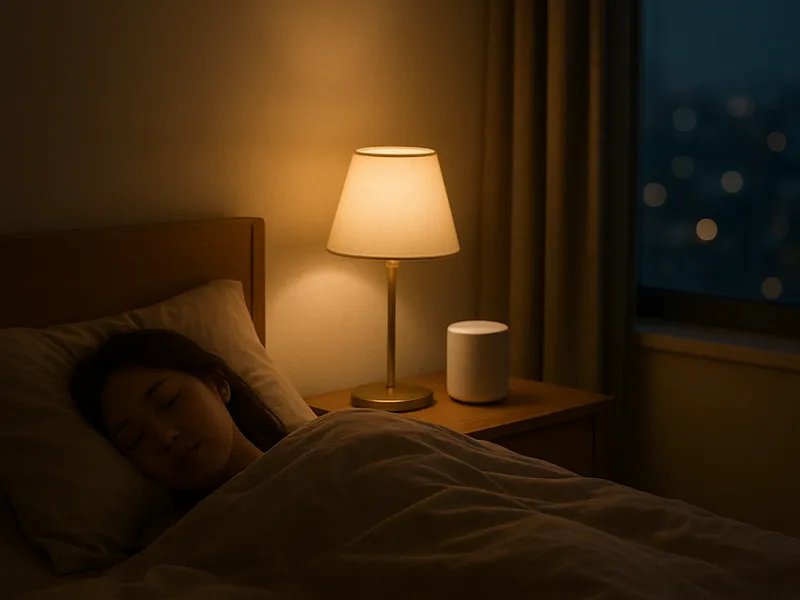
If you want better sleep and you do not want to spend hundreds on a tracking ring or a smart mattress, the honest answer is that the highest-impact changes are behavioral and cost nothing: a fixed wake-up time, morning daylight, and a cool, dark, quiet room. Where a small purchase genuinely helps, we would start with two cheap, high-leverage items: a quality blackout sleep mask (the Manta Sleep Mask is our pick) and a set of comfortable earplugs (Loop Quiet 2 for reusable comfort, or Mack's Slim Fit foam plugs on a budget). Add blackout curtains if you control your windows, and skip the gadgets entirely.
Our picks at a glance
- Consistent schedule + morning light (free) — the single biggest lever on sleep quality — best for everyone, do this first.
- Manta Sleep Mask — contoured eye cups deliver true 100% blackout with zero pressure on the eyes — best for renters, shift workers, and side sleepers.
- Loop Quiet 2 earplugs — reusable silicone, washable, comfortable enough to sleep on — best for partner snoring, traffic, or thin walls.
- Mack's Slim Fit foam earplugs — disposable, very high noise reduction, dirt cheap — best for the deepest noise blocking on a budget.
- Blackout curtains (e.g. NICETOWN or Deconovo panels) — darken the whole room and add thermal insulation — best for homeowners and bright urban bedrooms.
How to choose
Before buying anything, be honest about what is actually keeping you up. Buying the wrong category is the most common waste of money here.
- Diagnose the real problem. Light, noise, temperature, racing mind, or an irregular schedule each have a different fix. A sleep mask will not help if your issue is a 4pm coffee or a midnight scroll.
- Light control first. Light is one of the strongest drivers of your circadian rhythm. A mask is cheap and portable; curtains are pricier but fix the whole room and help you sleep in past sunrise.
- Comfort over rated specs for earplugs. A high noise-reduction rating (NRR) is useless if the plug hurts after an hour. Side sleepers in particular need low-profile or soft options.
- Temperature. Most sleep experts point to a cool room (around 65 degrees F / 18 C). Breathable bedding and a fan often beat any device.
- Total cost of ownership. Reusable items (silicone earplugs, a washable mask) cost more upfront but less over a year than daily disposables.
Consistent schedule + morning light (the free pick)
This is not a product, but it is genuinely the best way to improve sleep, which is the whole point of the question. The most reliably effective non-medication approach to poor sleep is behavioral: fix your wake-up time seven days a week, get bright light (ideally sunlight) within an hour of waking, cut caffeine after early afternoon, and reserve the bed for sleep. These are the core ideas behind sleep hygiene and CBT-I, the first-line, drug-free treatment for chronic insomnia.
Pros: Free, evidence-backed, and addresses the cause rather than masking symptoms. Cons: Requires consistency and a few weeks to take hold; harder for genuine shift workers.
Best for: Everyone, before you buy anything. Skip it if: Never skip it; products are a supplement to this, not a replacement.
Manta Sleep Mask
A contoured mask with two adjustable, foam-cushioned eye cups instead of a flat panel. The cups arch over your eyes so there is no pressure on the eyelids, and they seal out light at the nose bridge where cheaper masks leak.
Pros: True total darkness, comfortable for side and back sleepers, adjustable fit, washable, and far cheaper than blackout curtains. Cons: Premium-priced for a mask ($$), and the cups can feel bulky to first-time mask users. The basic flat satin masks are cheaper but leak light.
Best for: Renters, travelers, shift workers, and anyone whose partner needs a lamp on. Skip it if: You already have a fully dark room and dislike anything on your face.
Loop Quiet 2 earplugs
Soft, reusable silicone earplugs designed specifically for sleep rather than for concerts. They come with multiple ear-tip sizes and a small carry case, and they sit relatively flush so you can lie on your side.
