
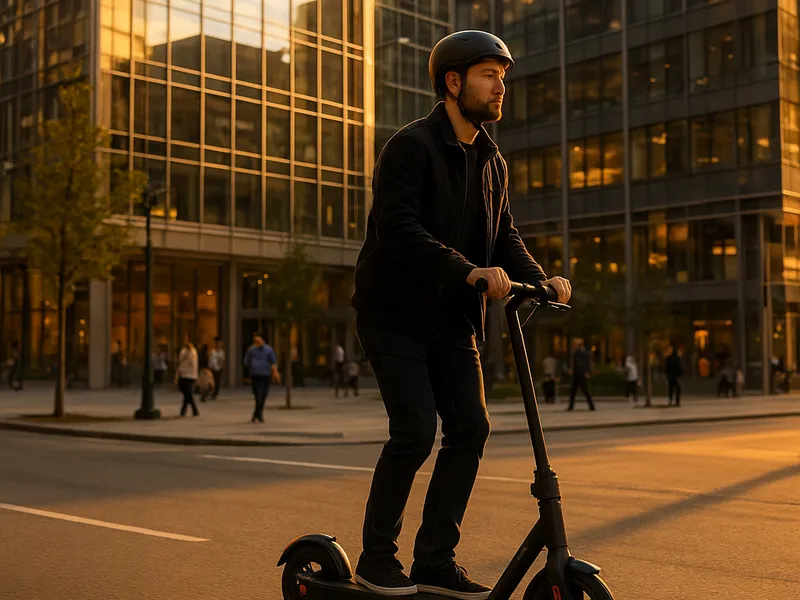
In recent years, urban mobility has shifted dramatically, and the electric scooter has emerged as a practical, affordable, and fun way to navigate cities, campuses, and neighborhoods. When you decide to buy one, you are not just purchasing a device; you are choosing a companion for daily commutes, last mile connections, and weekend explorations. The market reflects this broadened use, with models designed for commuters who need speed and range, as well as lighter, portable options suited for short hops and easy storage. The key is to balance performance, safety, and convenience with your personal routine and local infrastructure.
First, establish what you will do with the scooter. Do you need a long range to cover a daily route without frequent recharging, or is a short, nimble model that folds away after a ride more important? If you commute through urban traffic, you’ll want higher torque and reliable brakes, plus a robust frame to handle potholes and rough pavements. If you plan to hop on and off trains or buses, weight and foldability become critical. For weekend sightseeing, you may value comfort and suspension, so a model with better ride quality and larger wheels could be preferable. The best purchases typically satisfy a few universal criteria: dependable battery life, a motor capable of maintaining steady speeds on inclines, strong and predictable braking, and a frame that can endure daily use without feeling flimsy.
Where to shop for electric scooters is almost as important as which model you pick. Large marketplaces like Amazon offer vast selections, user reviews, and straightforward return policies. The upside is variety and price competition, but the downside can be inconsistent seller reliability, counterfeit parts, and uneven warranty coverage. If you value a strong resale path and direct brand support, shopping at official brand stores or well known electronics retailers can be advantageous. Best Buy, for example, stocks a curated range of scooters, provides in store pickup, and stands behind purchases with warranties and customer service accessible in person. Their options tend to skew toward mainstream brands and models with broad service networks. Walmart mirrors this approach with broad availability and competitive pricing, though their catalog and support for high end or niche models may be more limited. For those who want the latest models straight from the source, brand websites such as Segway Ninebot, Xiaomi, and other manufacturers offer official stores, guarantees, and comprehensive product information. These direct channels can ensure authenticity, easier access to replacement parts, and clearer guidance on supported regions and charging standards.
In addition to these, specialized scooter retailers and local shops can be extremely helpful. Local stores often provide test rides, hands-on demonstrations, and the chance to see different models side by side before committing. They may also offer extended warranties, maintenance packages, and in-person troubleshooting that online purchases cannot easily match. If you are exploring international options or looking for budget alternatives, reputable global marketplaces and authorized resellers can present competitive pricing, but be mindful of shipping costs, tax implications, and after sale support in your region.
