
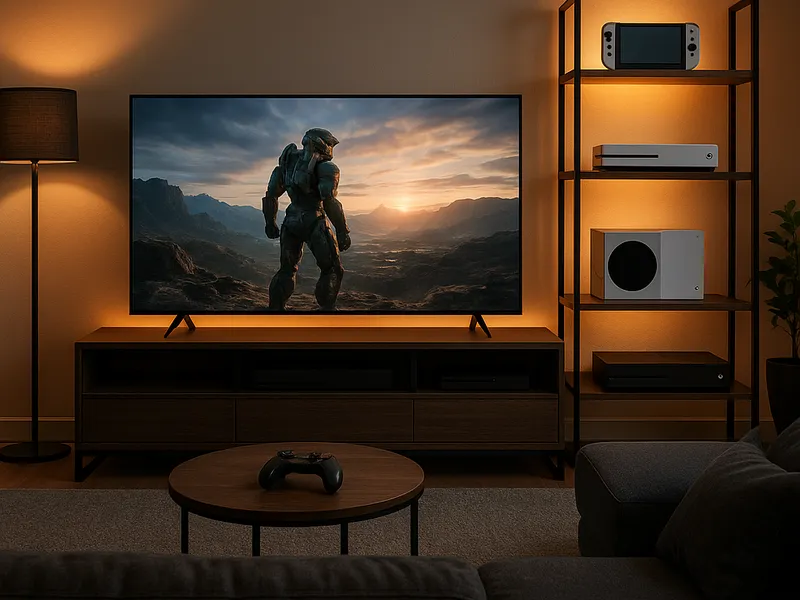
Comparing gaming consoles is less about chasing the latest chip and more about matching your playstyle with a robust library, a comfortable ecosystem, and a practical living room setup. With three dominant platforms shaping the modern gaming experience—PlayStation from Sony, Xbox from Microsoft, and Nintendo’s Switch family—each brings a distinct blend of hardware, software, and culture. To make a purchase that truly fits, it helps to evaluate not just raw specs but also game availability, online services, backwards compatibility, and how you prefer to access your games on a day to day basis.
Hardware performance is the most visible axis of comparison. Contemporary consoles now push toward high fidelity with smooth frame rates and fast load times. The top tier in the PlayStation camp delivers a strong balance of CPU and GPU power, advanced ray tracing, and a solid solid-state drive that reduces waiting times between menus and in-game scenes. Xbox Series X rivals it with a slightly higher raw GPU capability in some benchmarks and a similar SSD-driven thirst for speed, while the Series S targets a more affordable path with a smaller footprint and lower resolution targets but still maintains modern features. Nintendo’s Switch, including the OLED model, trades raw horsepower for portability and a unique gameplay proposition: a hybrid console that can be used on the go or docked to a television. If you value 4K resolution and high frame rates, the PlayStation and Xbox options are typically your best bets; if portability and local multiplayer on the couch are priorities, Switch remains unrivaled in that niche.
A look at game libraries and exclusives often decides the winner for many players. Sony’s first-party lineup frequently emphasizes single-player narratives and cinematic productions, with acclaimed titles that become system sellers. Microsoft emphasizes a broad catalog that includes strong third-party support, a steady cadence of new franchises, and the appeal of Game Pass, a subscription service that adds substantial value for many players. Nintendo leans into enduring evergreen franchises and family-friendly experiences, while also experimenting with innovative indie collaborations. Exclusive games can be the deciding factor if you insist on guaranteed access to certain titles on day one, which makes the choice more about which universe you want to live in rather than which hardware is fastest.
Ecosystem glue matters just as much as raw power. This includes backwards compatibility, cloud gaming, and the breadth of online services. PlayStation Plus provides monthly games, cloud saves, and online multiplayer for many titles, while Xbox Game Pass offers access to a large library of games plus new releases from studios owned or partnered with Microsoft. Nintendo Switch Online focuses on retro titles and online play for classic games, with a separate online app ecosystem for party and co‑op experiences. Beyond that, cloud gaming options continue to evolve, allowing streaming games to devices beyond the console itself, though performance and game availability can vary by region and internet quality. If you value a broad, continuously updated catalog and the convenience of streaming, Game Pass could tilt the scale toward Xbox; if you cherish a curated, high-quality single‑player journey, PlayStation shines; if portable play with strong local multiplayer calls to you, Nintendo remains compelling.
