
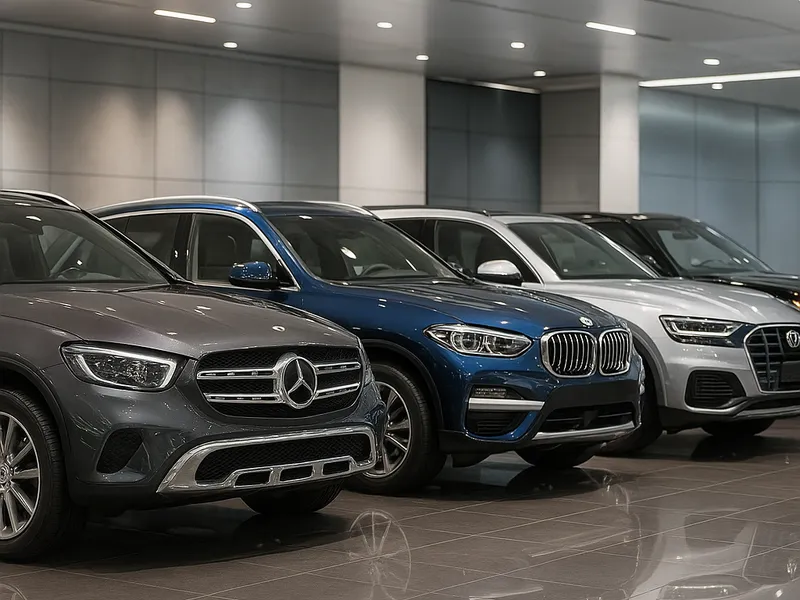
The market for luxury sport utility vehicles continues to evolve at a rapid pace as manufacturers blend supreme comfort with cutting edge technology and ever improving efficiency. Buyers today expect a seamless integration of driver assist systems, premium materials, quiet cabins, and powertrains that deliver both performance and efficiency. The 2025 landscape is defined by a wave of electrified options alongside traditional gasoline models, creating a diverse field where the best choice depends on how you value space, acceleration, ride quality, and the feel of the interior. In this article, we compare major contenders across brands, explain where to shop for these vehicles, and offer practical steps to help you navigate a purchase with confidence.
What to prioritize when comparing luxury SUVs
Choosing a luxury SUV is about balancing several priorities. First is space and comfort. If you routinely transport passengers or bulky cargo, you want generous rear-seat legroom, a quiet cabin, and supportive seats with ample adjustment. Second is ride and handling. A smooth ride with controlled body movements, precise steering, and confident braking is essential, particularly on long highway trips or winding roads. Third is technology and luxury feel. Look for a digital cockpit that is intuitive, a high quality infotainment system, ambient lighting, and refined materials that feel worth the premium. Fourth is powertrain and efficiency. The choice ranges from potent V sixes and V eight options to efficient hybrid and fully electric powertrains, with charging infrastructure becoming a decisive factor for EV buyers. Finally, aftersales, reliability, warranty coverage, and total ownership costs matter, especially for a vehicle likely to be a long term purchase.
Brand perspectives and what to look for in the top contenders
Mercedes-Benz has long earned praise for its plush interiors and refined ride. The flagship SUV from the marque emphasizes quietness, a cocoon-like cabin, and a suite of driver assistance features that feel intuitive rather than intrusive. On the road, Mercedes models tend to glide with impressive damping, while the latest infotainment system offers menus and controls that are easy to learn. If you place a premium on interior ambiance and executive comfort, Mercedes SUVs are among the strongest options.
BMW emphasizes driver engagement alongside luxury. The German brand tunes its large SUVs for more dynamic handling, with precise steering and a composed ride. Inside, materials are carefully selected, and the driver’s cockpit is oriented toward performance without compromising comfort. For enthusiasts who still use the SUV as a daily transport, BMW combines sportiness with practicality in a well-rounded package.
Audi has a reputation for high tech, sharp design, and a cabin that feels modern and user-friendly. Audi’s SUVs typically feature advanced digital instrumentation, crisp ambient lighting, and a balanced ride that handles well in a variety of road conditions. The interior often emphasizes a sense of precision and efficiency, appealing to buyers who appreciate a modern, tech-forward environment.
Lexus prioritizes reliability and refined comfort, delivering serene cabins, smooth rides, and a calm, centered luxury experience. With a focus on quiet operation and a prestigious resale proposition, Lexus appeals to buyers seeking long-term value and lower maintenance concerns without sacrificing luxury.
Porsche brings performance pedigree to the luxury SUV space. If speed and agile driving dynamics are high on your list, the Porsche SUV lineup offers potent powertrains, precise chassis work, and a driver-centered feel that bridges the gap between a sports car experience and family practicality.
Volvo stands out for safety and Scandinavian design that emphasizes simplicity, comfort, and an airy, minimalist cabin. Volvo’s approach is to blend practicality with premium materials and strong emphasis on occupant protection, appealing to buyers who value security and understated luxury.
Where to shop and how to compare
Shopping for a luxury SUV is no longer confined to dealership showrooms. Several platforms provide broad inventories, transparent pricing, and tools to compare trims, options, and financing. Key players include:
Manufacturer sites: The official pages for Mercedes, BMW, Audi, Lexus, Porsche, and Volvo let you configure vehicles, compare trims, locate local dealers, and schedule test drives. They also provide certified pre-owned programs and factory-backed incentives, which can simplify negotiations and ensure you’re dealing with factory-approved vehicles.
Autotrader: A long-standing marketplace with extensive dealer and private party listings. Autotrader offers price analysis, feature filters, and dealer reviews to help gauge local market conditions and identify good deals.
CarGurus: Known for its deal rating and historical pricing trends, CarGurus helps buyers distinguish fair-market listings from high-priced options. It’s particularly useful for getting a sense of whether you’re paying a premium for luxury branding or genuine added value.
