
Cool Sculpting
Article
2025-12-22 • 5 min read

Cool Sculpting

CoolSculpting has evolved from a single, branded procedure into a broad category of noninvasive fat reduction that many people encounter when researching how to address stubborn contour issues. This technique, built on the principle of cryolipolysis, target...

CoolSculpting has evolved from a single, branded procedure into a broad category of noninvasive fat reduction that many people encounter when researching how to address stubborn contour issues. This technique, built on the principle of cryolipolysis, targets fat cells with careful cooling while preserving surrounding skin, muscles, and nerves. The result, over weeks, is a gradual reduction in fat pockets that can alter the silhouette of hips, abdomen, flanks, thighs, or arms. For many clients, the appeal lies in a treatment that requires little to no downtime and allows them to return to daily life immediately after sessions, which can be arranged around work or family schedules.

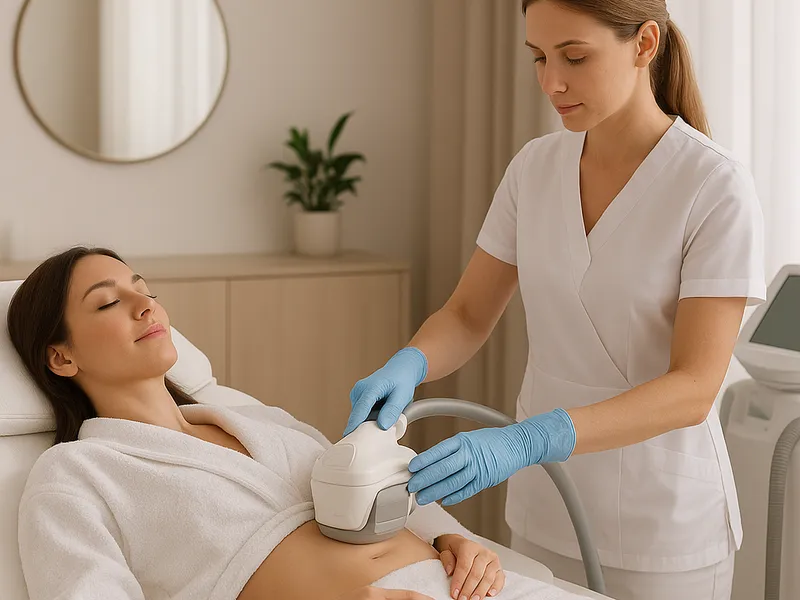
The treatment works by delivering controlled cooling to targeted fat layers using applicators that are placed on the skin. The cooling causes fat cells to crystallize and die while the overlying skin remains unharmed. In the weeks following a session, the body’s natural metabolism processes remove the dead fat cells, yielding a visible change in shape and contour. It is important to understand that CoolSculpting is designed for spot reduction rather than weight loss. Ideal candidates are those who are near their ideal body weight with small, stubborn areas that have resisted diet and exercise. The effectiveness can vary depending on tissue type, treatment area, and individual physiology, so a professional consultation is essential to set realistic expectations.

If you are considering this option, you should prepare for a practical, informed decision. A typical plan involves a consultation with a licensed clinician who specializes in aesthetic body contouring. They will assess your medical history, discuss your goals, and examine the areas you want to treat. The clinician may also propose a combination of technologies beyond cooling, depending on your needs. For example, some clinics offer a portfolio of noninvasive modalities—laser lipolysis, radiofrequency, and other cooling or heating therapies—so you can compare approaches side by side.

When comparing major providers, it helps to understand the technology landscape. CoolSculpting, developed and marketed by Allergan Aesthetics, remains the most recognized name for cryolipolysis and is supported by a global network of clinics and a robust body of patient experience. The official CoolSculpting platform showcases treatment areas, safety notices, and a map of certified providers, and it often highlights patient stories and clinical data. In contrast, SculpSure, introduced by Cynosure (now aligned with larger medical device groups), uses a different mechanism—lasers to heat and disrupt fat cells—while maintaining a similar noninvasive profile. Some patients find laser-based approaches preferable for certain contour goals or body regions, but the sensation and downtime can differ from cooling methods. Then there is Vanquish, a radiofrequency based system from BTL Aesthetic, which aims to heat fat layers more broadly with less direct contact in some configurations, offering a different pathway to contouring with its own safety and comfort profile.

Cool Sculpting

For buyers and practitioners, the market often comes down to personal priorities. If you value a long track record and a broad provider network with transparent pricing and patient education, the CoolSculpting ecosystem tends to be appealing. If you’re more curious about alternative noninvasive approaches that address similar targets, exploring SculpSure or Vanquish can provide a comparative sense of session length, sensation, and recovery expectations. Reputable information portals like RealSelf or dedicated clinic directories can help you compare before-and-after galleries, clinician experience, and patient reviews, which often illuminate subtle differences between technology platforms. When evaluating clinics, ask about board certification, practitioner experience with the device you’re considering, and the clinic’s safety record. Also inquire about the number of cycles included in the recommended treatment plan for your area and whether there are guarantees or refund policies if expectations aren’t met.

Cost is a practical factor that varies widely by geography, provider, and the number of areas treated in a single session. In most markets, per-area pricing and the number of cycles per area influence the final bill, with some patients undergoing more than one session to maximize results. It’s wise to request a written plan that outlines the expected timeline, the anticipated rate of improvement, and any maintenance steps you should follow to preserve gains. Some clinics offer financing or package deals for multiple zones, which can make a multi-area plan more accessible. While price is a consideration, the most reliable predictor of satisfaction is the alignment between your goals, the clinician’s assessment, and an honest discussion about what results are realistic for your body type.

Safety and aftercare are integral to any noninvasive contouring program. Side effects are typically mild and transient, including temporary redness, numbness, or a sensation of pulling or pinching during the applicator placement. Most people resume daily activities immediately, though individual experiences vary. Post-treatment care usually involves gentle skin care, staying hydrated, and avoiding highly strenuous activities for a short period if recommended by your clinician. Realistic expectations matter: visible changes often emerge gradually over a few weeks, with the most dramatic improvements sometimes appearing after a second or third session or after the body has had time to metabolize and eliminate the disrupted fat cells.

For readers who want a practical path forward, start with a no-obligation consultation at a clinic that offers CoolSculpting or its alternatives. Compare technology, practitioner experience, and patient outcomes. Review official channels for each modality to understand the scope of treatment areas and safety measures. If you choose to proceed, follow the clinic’s pre-treatment guidance, plan for recovery time if needed, and maintain a healthy lifestyle to support long-term contouring. While no noninvasive technique can replace a balanced routine, many people find that a carefully selected, professionally delivered contouring program yields meaningful changes that enhance self-confidence and fit better with ongoing wellness goals.

← Back to all articles