
Cost Of Dental Implants
Article
2025-12-19 • 5 min read

Cost Of Dental Implants

Cost of dental implants is a pragmatic question that many patients ask when evaluating tooth replacement options. An implant is more than a single price tag; it is a layered service that combines surgical placement, prosthetic restoration, and long term mai...

Cost of dental implants is a pragmatic question that many patients ask when evaluating tooth replacement options. An implant is more than a single price tag; it is a layered service that combines surgical placement, prosthetic restoration, and long term maintenance. In practice, the total outlay depends on several variables, including the type of implant system a clinic uses, the extent of preparatory work needed, and the region where the treatment is performed. Rather than a single global price, patients should think in terms of a price range for each component and how they fit together in a complete treatment plan.

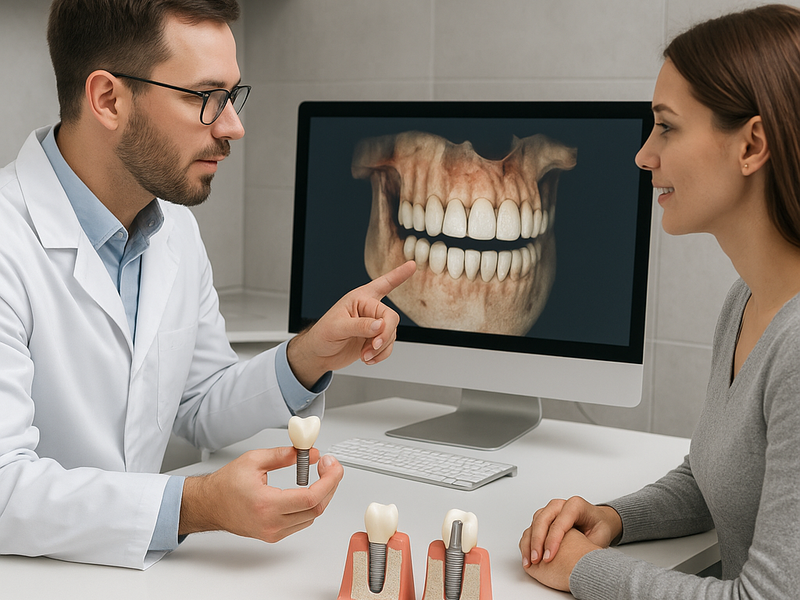
The core components that influence cost begin with the implant hardware itself. An implant fixture, typically crafted from titanium or a titanium alloy, is the screw that integrates with the jawbone. There is also an abutment, a small connector that attaches the replacement tooth to the implant, and the final restoration, usually a crown, bridge, or denture that sits on top. Beyond these parts, the surgical visit carries its own fees: the surgeon’s time, the use of anesthesia, and the operating facility. Diagnostics such as 3D imaging, CT scans, and computerized planning software are common, and in many cases, diagnostic work is essential to determine the right approach. If bone volume is insufficient, additional procedures such as bone grafts or sinus lifts may be required, each adding to the overall cost and extending the timeline of treatment. Finally, there can be temporary prostheses and post-operative care costs that add up during the healing phase.

Location matters. In the United States, costs tend to be higher on average than in many other parts of the world, but there is wide variation between urban centers, specialty clinics, and general dental practices. In Europe, prices can be influenced by country-specific healthcare standards, regulatory requirements, and reimbursement environments, while in parts of Asia and the Middle East, competitive pricing and high-volume clinics may reduce per-implant costs, though patients should still weigh factors such as travel, aftercare, and long-term warranty availability. The bottom line is that the same implant system can have different price points across clinics, simply due to overhead, expertise, and the level of service included in the package.

Brand choice also colors the price. The implant market includes several well-known manufacturers that are widely used around the world. Premium brands offer robust materials, strong long-term track records, and extensive warranty programs, but they often come with higher per-implant costs. Mid-range and value brands compete on compatibility and cost efficiency while still delivering reliable results when placed by skilled clinicians. The clinician’s preference, the compatibility of the implant with the planned prosthesis, and the availability of a local support network all influence the decision. Not all clinics offer every brand, but many closely tailored practice models align with specific systems that they know well and can back with predictable aftercare.
Cost Of Dental Implants

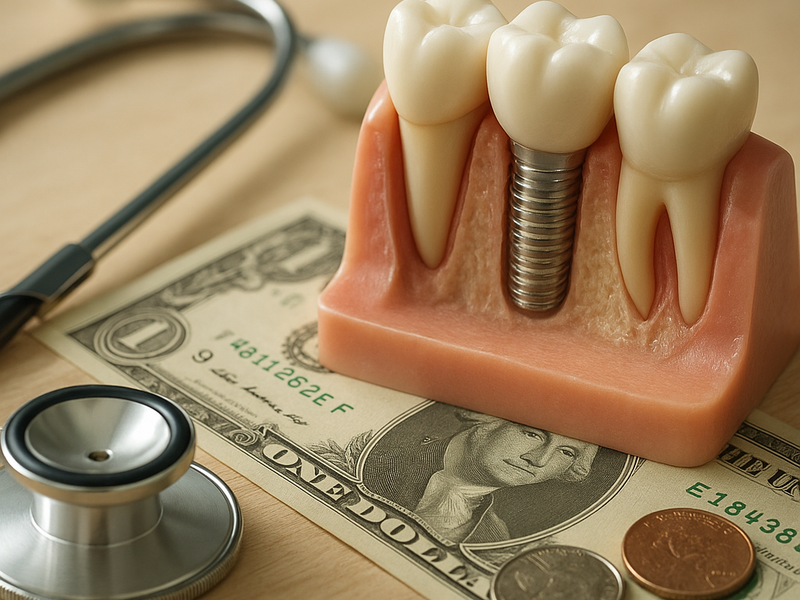
When you compare providers, look beyond a single price. A typical implant treatment in a major market category includes the following: one implant fixture, an abutment, a crown on top, the surgical procedure, imaging and planning, and any minor bone grafts that might be needed. Some clinics bundle these items into a single package with an all‑inclusive price, while others itemize each component. In several markets, there are membership plans, finance programs, or third-party lenders that allow patients to pay for care over time. It’s common to see outlays in a broad range, with beginner-level clinics presenting lower upfront quotes and specialty centers quoting higher totals that reflect higher service levels and broader warranties. The prudent step is to request itemized quotes from multiple clinics and ask what each price covers, including post‑operative checkups, warranty terms, and the expected lifespan of the restoration.

For those seeking a realistic budget, a practical approach is to obtain proposals from at least three different clinics, ideally those that perform the implants using the same brand and similar surgical protocols. Ask for a treatment plan that includes imaging, implant numbers, bone grafts if needed, the anticipated timeline, and the total expected cost with an explicit breakdown. In many regions, you’ll also want to verify what portion (if any) is potentially covered by insurance or an employer plan, and whether the clinic accepts financing or dental savings plans. It’s important to understand that some insurance plans offer limited coverage for implants and more often cover the auxiliary procedures such as bone grafts or the prosthetic crown to varying extents. Financing can bridge the gap until a patient reaches a decision or completes a staged treatment plan.

If budget constraints are real, consider alternatives and staged options. A single implant with a crown can be contrasted with a fixed bridge that uses adjacent teeth as anchors, or with removable partial dentures as interim solutions. In some cases, a staged approach—placing the implant first and deferring full restoration until healing and osseointegration are complete—can reduce risk and help with budgeting. For patients who plan on long-term investment in dental health, a robust maintenance plan that includes regular checkups, professional cleanings, and careful avoidance of detrimental habits can extend the life of implants and reduce the likelihood of costly repairs over time.

To summarize, the cost of dental implants is not a one-size-fits-all figure. It depends on the implant system, surgical complexity, prosthetic design, geographic location, and the level of care a practice provides. The most actionable strategy is to gather multiple, itemized quotes from reputable clinics, compare the brand and service quality behind each quote, explore financing options, and consider both short-term affordability and long-term value. With careful planning, implants can be an effective, durable solution that restores function and confidence, while keeping costs transparent and manageable over the lifespan of the therapy.

← Back to all articles