
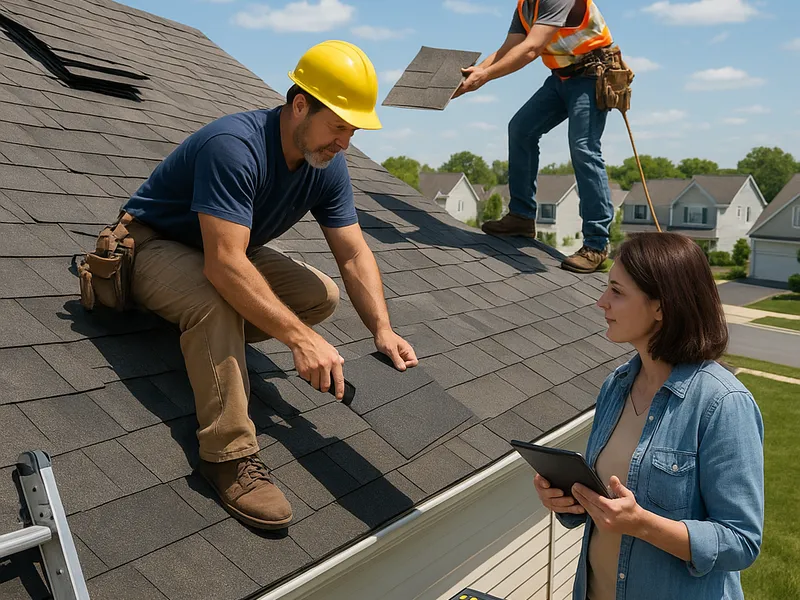
The decision to replace a roof is often driven by a mix of safety, weather protection, and long term value for a home. When homeowners ask about the cost to replace a roof, they are really seeking a practical roadmap that covers materials, labor, and all the moving parts that come with a full replacement. A roof is not a single product but a system that includes deck inspection, underlayment, flashing, ventilation, and often gutters. Understanding the full scope helps you compare quotes in a meaningful way and prevents surprises when construction begins.
What drives the price of a roof replacement
Several factors determine the overall cost, and each one can push a project from affordable to premium territory. Roof size is the most obvious driver: larger homes require more shingles, more underlayment, more flashing, and more labor hours. Roof pitch matters as well; steeper roofs are harder to work on and may necessitate special safety measures, longer installation times, and sometimes additional equipment. The ridge and hip configuration, dormers, skylights, and chimneys add complexity that increases both material waste and labor.
Material choice strongly affects total cost. Asphalt shingles are the most common and economical option, offering durability and a wide selection of styles. Architectural or dimensional shingles cost more but provide a higher-end look and longer warranty. Metal roofs, while more expensive upfront, can offer longevity and energy efficiency that offsets some of the initial cost over time. Tile and slate are among the highest priced options and require specialized installation that increases both material and labor costs.
The old roof removal is another variable. Some homes can be stripped down to the deck without replacing decking, while others require deck repair or replacement. Underlayment quality, flashing around vents and chimneys, drip edges, attic ventilation, and insulation upgrades all contribute to price. Permits, disposal fees, and waste-haul charges vary by city and county, and insurance considerations can influence decisions on materials and labor standards.
Typical price ranges and what to expect
For most single-family homes, asphalt shingles installed on a standard roof typically fall within a broad range per square foot. In practice, homeowners often see installed costs between roughly five and ten dollars per square foot, depending on location and the particulars of the project. A full replacement for an average home might land somewhere in the mid-range, commonly between eight thousand and fifteen thousand dollars, but larger homes in expensive markets can exceed twenty thousand dollars. If you opt for premium materials like high-end architectural shingles, metal, or tile, costs can rise noticeably.
Understanding quotes and what’s included in them
A good quote should itemize the major line items and explain what is included and what isn’t. Look for:
Material details: type, brand, color, and warranty
Labor: number of workers, hours or days, and crew safety practices
Preparation: decking inspection and any repairs
Installation specifics: underlayment type, flashing, and ventilation
Accessories: drip edge, gutters, vent pipes, and attic insulation
Permits and disposal: permit fees and how old roofing debris will be handled
Warranties: material warranty and workmanship warranty, including duration and what they cover
Timeline and scheduling: projected start and finish dates, and contingencies for weather
How to do it: planning, budgeting, and choosing a contractor
If you are replacing a roof, start with a clear plan. Measure your home or have a contractor measure with professional accuracy so you can estimate materials. Gather quotes from at least three reputable roofing contractors. When evaluating bids, don’t focus only on the bottom line; compare the materials specified, the scope of work, and the warranties offered. Ask for references and check licenses and insurance coverage. Confirm whether the price includes disposal of the old roof, removal of debris, and cleanup. Ensure the installer is properly credentialed, and verify that the manufacturer’s certification requirements will be met if you want to preserve any material warranties.
