
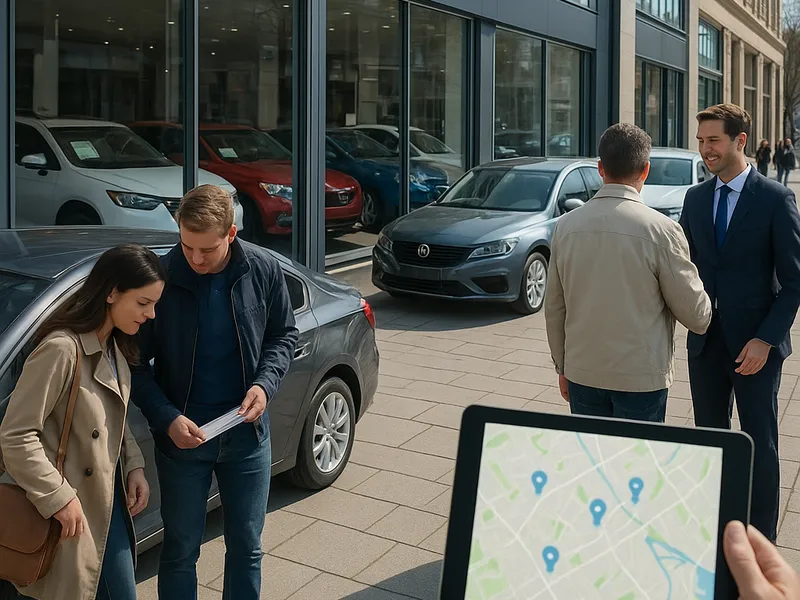
Finding a dealer near you is more than a search term; it is a practical step in the larger journey of choosing a car that fits your life. In today’s market you can start with a brand authorized locator, expand to third party marketplaces, and finish with a personalized visit that turns data into a test drive. Each route has strengths, and understanding how they work together helps you navigate toward a purchase that feels fair and transparent.
First, consider the role of the brand or OEM locator. Car manufacturers maintain dealer locators on their official sites so shoppers can easily find nearby showrooms, service centers, and certified pre owned programs. The upside of using these tools is trust and consistency. When you search for a specific brand you are usually presented with a network of authorized dealers in your area, each with a dedicated page that lists new and certified pre owned inventory, service department information, and sometimes scheduled test drives. If you are eager to buy a vehicle that qualifies for a factory warranty or a certified program, beginning with the OEM locator helps you stay within the brand’s ecosystem and ensures that every vehicle you consider meets the brand’s standards.
On the other hand, third party marketplaces broaden the field. Platforms such as CarGurus, Autotrader, Cars.com, and TrueCar compile listings from hundreds of dealers, including those who carry multiple brands and used inventory that may not appear on a single brand site. These sites offer price transparency tools, dealer ratings, and the ability to compare multiple vehicles side by side. They are especially useful when you are shopping across brands or looking for a specific used model. TrueCar, for instance, shines at showing a market price and a target price based on recent transactions in your area, which can help you identify a fair starting point. CarGurus and Cars.com provide robust search filters, buyer guidance, and dealer contact options so you can initiate conversations without leaving the site.
A growing part of the ecosystem is the blend of maps and reviews. Google Maps and similar services deliver real world logistics: distance, hours, directions, and user feedback. They also surface a mix of dealers, including those that are consumer friendly or that have strong service reputations. The advantage here is practicality—seeing who is closest and what others say about the experience can influence your choice before you step foot in a showroom. Reading a handful of honest reviews helps you separate a smooth sales pitch from a reputable partner that supports your needs after the purchase, such as maintenance schedules and parts availability.
When you compare platforms, it helps to set expectations about what you want to accomplish. If your goal is to purchase a new vehicle with maximum factory backing and a seamless financing process, OEM locator tools are strong allies. They often connect you directly with the brand’s financing options, trade in programs, and incentive details. If you want the broadest inventory and the clearest sense of market value, third party marketplaces win out because they aggregate from many dealers and often feature price transparency and discount indicators. For quick location and sentiment, maps and review sites are indispensable for planning visits and gauging reliability.
