
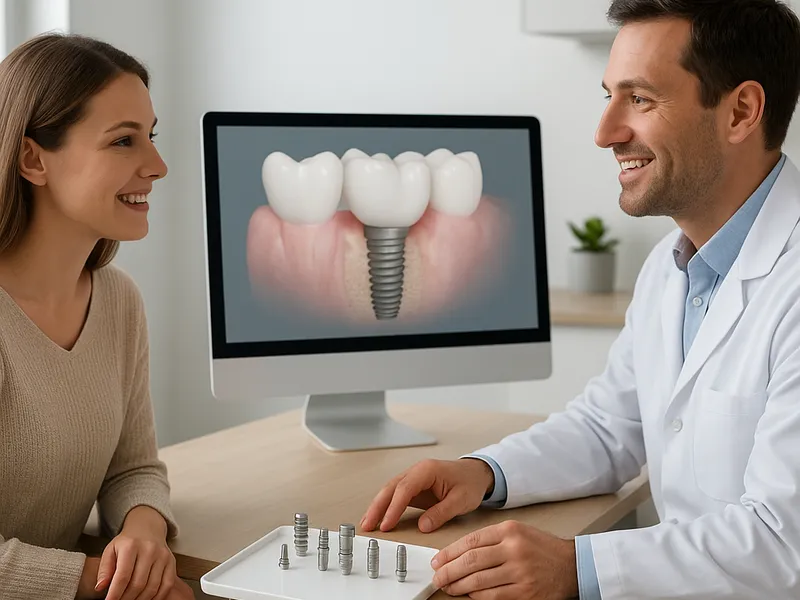
Dental implant grants are not a common topic in everyday health budgets, yet many people who qualify for financial help look for ways to fund implant treatment without shouldering the full cost alone. In practice, the term is often used to describe a mix of charitable assistance, low interest financing, and agency programs that can reduce the price barrier for those who meet certain criteria. The core idea is straightforward: a grant or grant like support reduces the amount a patient must pay out of pocket, while the patient still receives a high quality implant solution that restores function, aesthetics, and confidence. Because programs and eligibility vary by country, region, and the level of need, the landscape can seem complex. The good news is that there are several pathways to explore, and some clear steps you can take to understand what is realistically available for you.
First, understand what counts as a dental implant grant in practice. Direct grants that cover the full price of an implant are rare in most markets. More commonly, you will encounter three avenues that function similarly to grants: charitable or nonprofit aid, subsidized clinics connected with universities or community health providers, and patient financing programs that reduce the immediate cost. Charities and foundations may offer grants or sliding scale assistance for essential procedures when implants are part of restoring crucial function like chewing and speech. Subspecialty or teaching clinics often provide implant treatment at a lower price to patients who participate in student training and supervised care. Financing programs, while not grants in the strict sense, can effectively lower the out of pocket burden by offering low interest, extended terms, or promotional plans.
A practical starting point is to identify nonprofit and teaching clinic options in your area. Organizations such as national or regional dental access programs sometimes partner with dental schools or veteran services to connect patients with lower cost implant care. In many cases these programs require documentation of income, insurance status, or disability, and there may be waiting lists or limited availability. If you live in the United States, for example, a visit to a local dental school clinic can reveal whether resident doctors perform implants at a reduced rate as part of supervised patient care. In other regions, public health systems or charitable foundations may have similar arrangements or occasional grant opportunities for restorative dental work. In all cases, call ahead to confirm current offerings, eligibility, and the typical implant package included in the reduced fee.
Insurance coverage and government subsidies are another critical piece. Some private insurers offer coverage for implants if the procedure is deemed medically necessary or if alternative prosthetics fail to provide adequate function. Government programs, including disability or veteran supports, may provide partial coverage or access to subsidized implant clinics in certain circumstances. Because policies shift over time and by jurisdiction, it’s essential to speak with a benefits specialist and the implant team early in your planning to understand what portion of the cost might be funded and what documentation will be needed to qualify.
When direct grants or low cost clinics are not available, patient financing becomes a practical bridge. The most widely used tools for dental financing are credit lines and patient lenders that partner with clinics to offer plans specifically for dental implants. CareCredit is a popular option in many markets; it functions like a healthcare credit card that can be used for implants, crowns, and related services. Another option is LendingClub’s patient solution programs, which can provide installment plans with varying terms. In-house clinic financing plans are also common; some clinics bundle implant surgery with a financing package that includes post operative care and follow up. It is important to compare total cost of the plan, interest rates, repayment terms, and any penalties for missed payments. Always read the full contract and ask for a transparent breakdown of how much you are paying over the term versus the total implant package.
