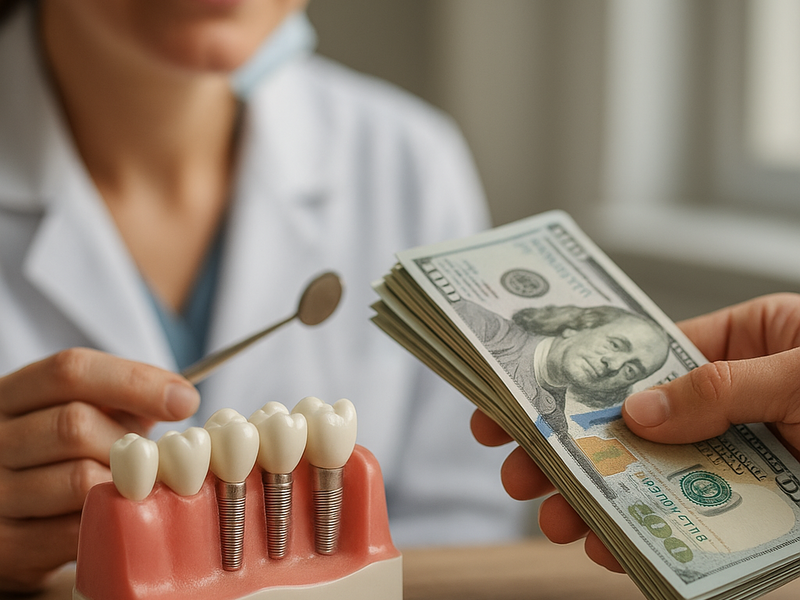
Dental implant prices vary widely and are influenced by the brand of components, the clinic’s location, the patient’s bone health, and the explicit elements of the treatment plan. When people start researching, they often encounter a broad spectrum of quotes that can be confusing. The right approach is to look beyond the sticker price and understand what drives cost, what you get for each line item, and how to compare honestly between providers. In the modern dental market, pricing is shaped by a mix of premium implant systems, surgical complexity, grafting needs, imaging requirements, and the value-added services that a practice bundles into a single treatment plan.
A typical dental implant procedure involves several moving parts. First comes the diagnostic work, including a clinical exam and radiographic imaging such as a cone beam CT scan to map bone height, width, and vital structures. Then there is the surgical placement of the implant fixture into the jawbone, which may be straightforward or require bone grafting or sinus augmentation to create a solid foundation. After a healing period, a prosthetic phase follows, where an abutment is attached and a crown is fabricated to restore the visible biting surface. Prices usually break down into implant hardware, the surgical procedure, bone grafting if needed, the abutment, the crown, and any imaging or anesthesia charges. Each element is priced differently by region and by brand, and the choice of materials and systems can push the total from a mid-range to a premium tier.
For comparisons, several well-known implant manufacturers dominate the landscape. Straumann is widely regarded as a premium option, known for extensive research-backed systems and a broad portfolio of implants and restorative components. Patients and dentists sometimes find that premium brands like Straumann carry higher upfront costs, but proponents point to long-term predictability, robust warranties, and compatibility with a wide range of abutments and crowns. Nobel Biocare, a major name in modern implant dentistry under the Dentsply Sirona umbrella, also sits in the higher end of the market, with a reputation for dependable osseointegration and advanced prosthetic options. Osstem Implant has grown rapidly as a cost-conscious alternative with a comprehensive lineup that appeals to clinics seeking flexibility and value, particularly in regions where price sensitivity is high. BioHorizons and Zimmer Biomet Dental offer competitive options that balance performance with cost, often appealing to mid-range budgets without sacrificing essential reliability. Each brand has distinct internal connections, thread designs, and prosthetic compatibility, so the choice often aligns with the dentist’s familiarity and the patient’s confidence in the system.