
Dental Implant Seniors
Article
2025-12-11 • 6 min read

Dental Implant Seniors

As the population ages, many adults look for reliable options to restore chewing function, speech clarity, and facial aesthetics after tooth loss. Dental implants have emerged as a durable and natural feeling solution for seniors who want stable teeth without relying on removable dentures.

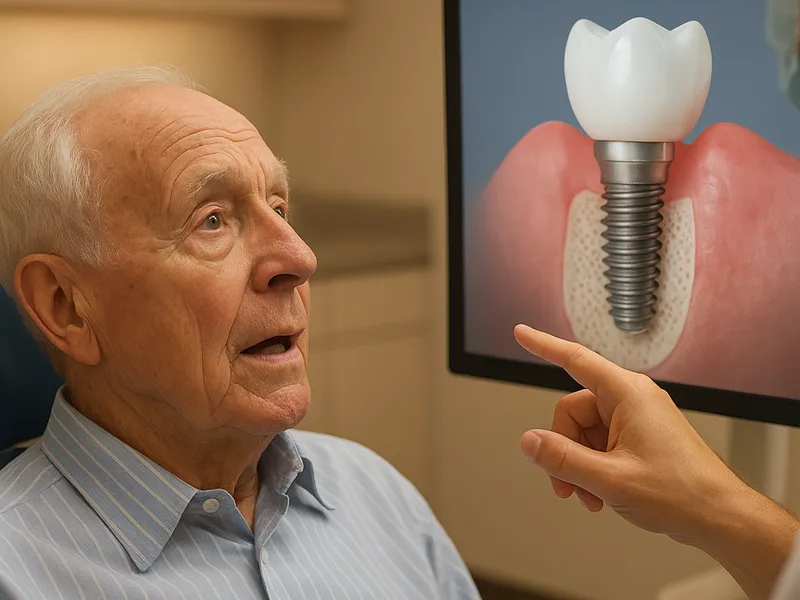
As the population ages, many adults look for reliable options to restore chewing function, speech clarity, and facial aesthetics after tooth loss. Dental implants have emerged as a durable and natural feeling solution for seniors who want stable teeth without relying on removable dentures. The approach focuses on replacing the tooth root with a surgically placed implant, and then attaching a crown, bridge, or denture to recreate a full and functional bite. For seniors, implants can offer advantages beyond aesthetics, including improved bite force, preservation of jawbone, and easier daily care compared with traditional dentures.

The suitability of dental implants for older adults hinges less on age and more on overall health, bone quality, and oral hygiene. A healthy jawbone provides a solid foundation for the implant to fuse with the bone in a process called osseointegration. Some seniors may experience bone loss or thinning in the jaw, particularly after long gaps with missing teeth. In these cases, bone grafting or sinus augmentation can create the necessary volume before implant placement. It is important to evaluate chronic conditions such as diabetes, osteoporosis, or cardiovascular problems, and medications that influence bone healing, like bisphosphonates. A careful medical and dental assessment helps determine whether an immediate implant, a staged approach, or a prosthetic alternative is most appropriate.

Starting with a thorough consultation, the dentist will typically use imaging such as panoramic X-rays or three-dimensional scans to map the jawbone and plan implant positions. A personalized treatment plan is then created, describing the number of implants needed, the type of prosthesis (single crowns, bridges, or full-arch dentures), and the expected timeline. For seniors who prefer less invasive options, modern implant systems offer less invasive placement techniques and choices for immediate loading in some cases, where a bridge or crown can be attached to the implant soon after placement. However, immediate loading is not universal; healing time and the stability of the implant must be evaluated on a case-by-case basis.

The actual procedure involves placing titanium implants into the jawbone through a surgical appointment. After placement, a healing period allows the bone to fuse with the implant. In seniors with compromised bone quality, bone grafts or sinus lifts may be recommended to improve stability. Once healing is sufficient, an abutment is placed on the implant, and a custom crown or denture is manufactured to fit. The process requires several visits over months, but many patients find the result is a secure bite that feels and behaves much like natural teeth. Maintaining implants after they are placed is simpler than many expect: routine brushing and flossing, professional cleanings, and regular dental checkups help protect the implant, surrounding gum tissue, and the attached prosthesis.

Costs and financing are important considerations for seniors. The price of a single implant, crown, and surrounding care can be substantial, and insurance coverage varies widely. In many cases, implants are paid out-of-pocket, though some plans may cover portions of the procedure or offer dental discount programs. It is prudent to explore financing options, consider bundled packages offered by clinics, and compare long-term value rather than only upfront costs. For some patients, alternative options such as fixed dentures anchored by implants or hybrid prostheses may present a balanced blend of durability and cost. Ask about warranties on implants and crowns, as well as maintenance plans that cover regular checkups and replacements if needed.

Dental Implant Seniors

A practical way to navigate implant care is to choose a clinic with experienced clinicians who specialize in geriatric dentistry. Look for prosthodontists or periodontists with a track record of treating older adults, a clear treatment plan, and transparent communication about risks, recovery, and post-procedure care. Before committing, obtain a written estimate that itemizes implants, abutments, crowns, bone grafts if needed, anesthesia, and aftercare. Discuss sedation options if anxiety or fatigue is a concern; options range from local anesthesia to light sedation in the hands of experienced professionals. Clear expectations about post-operative care, dietary adjustments during healing, and potential temporary changes in function help seniors plan for a smoother recovery.

Top manufacturers and providers play a crucial role in shaping outcomes, even though the actual surgery takes place in a local clinic. Some leading implant brands define the technology, materials, and implant geometry used by many dental offices worldwide. Straumann and Nobel Biocare (part of Dentsply Sirona) have long been recognized for rigorous research, wide product families, and strong clinical support. Zimmer Biomet Dental and BioHorizons offer diverse implant lines and guided-surgery capabilities, catering to clinics with various levels of investment in digital planning. Other players such as Osstem, Megagen, and Dentinics also contribute to a broad ecosystem of implants and accessory components. Clinics may align with one or more of these brands, selecting implants based on bone density, patient needs, and the dentist’s experience. For patients, the practical takeaway is to ask your dentist which implant system they use, why it suits your anatomy, and what outcomes they have observed in older adults.

When looking for a provider, online directories, patient reviews, and referral networks can help locate skilled clinicians near you. Many reputable clinics publish case studies and testimonials focused on senior patients, detailing pre-operative assessments, grafting, and long-term results. Digital planning tools in today’s clinics enable precise implant placement, which can improve accuracy and reduce surgical time—benefits that can be especially meaningful for seniors who prioritize comfort and predictability. If you are unsure where to start, schedule a no-obligation consultation with a clinician who specializes in implant therapy for seniors, and bring a list of medications and medical conditions to discuss any risks or necessary precautions.

For those considering implants, practical tips include maintaining a consistent oral hygiene routine, using an antiseptic rinse if recommended, and avoiding tobacco products that can impair healing. Staying hydrated, following the surgeon’s post-operative instructions, and attending all follow-up appointments increase the likelihood of a successful outcome. With proper evaluation, planning, and care, dental implants can restore bite function and confidence for many seniors, enabling healthier meals, clearer speech, and a renewed sense of independence.

Comparisons of top companies and websites that provide implants or facilitate placement show a robust global ecosystem. Manufacturers like Straumann, Nobel Biocare, BioHorizons, Zimmer Biomet Dental, and Osstem provide implant systems and education that clinics leverage to treat older patients. Platforms that help patients find qualified implant providers include general health and dental directories, local clinic networks, and specialty referral sites. When evaluating providers, prioritize experienced clinicians, transparent pricing, comprehensive aftercare, and a treatment plan that accounts for bone health and aging considerations. In the end, the best choice is a collaborative plan between a patient and a skilled implant team that respects the patient’s health, comfort, and long-term oral function.

← Back to all articles