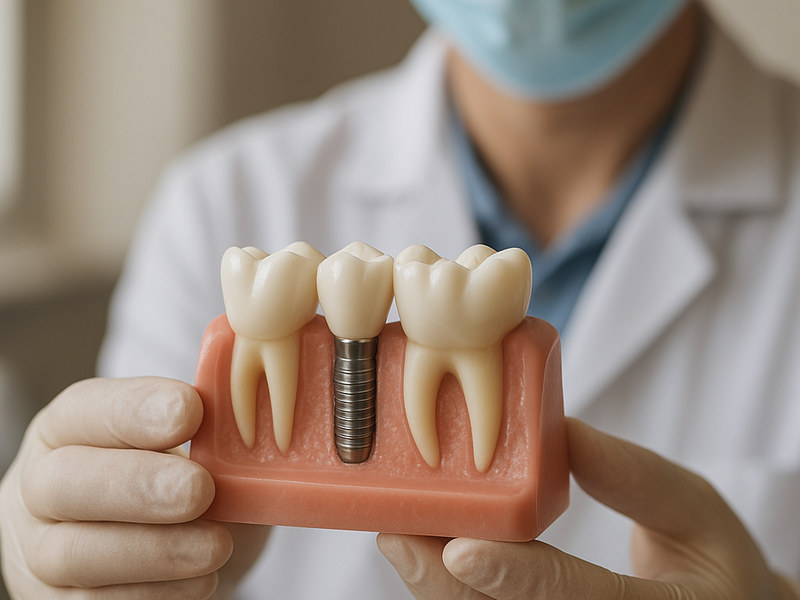

Dental implants in your area are more accessible than ever, but finding the right provider locally matters for long term satisfaction. Implants are a reliable tooth replacement option when you have enough healthy bone and a skilled clinician, yet the pathway from first consultation to a restored bite can vary widely from one practice to another. This article examines what to expect when pursuing dental implants in your area, how to compare clinics, and what practical steps you can take to improve your odds of a successful outcome.
Understanding the local landscape In most communities you will find a mix of general dentists and specialists who place implants. Some clinics offer in house surgical placement with a restorative crown completed on the same site, while others partner with external labs or surgeons. The quality of imaging technology, planning software, and lab support often shapes the predictability of results. A typical local implant plan starts with a thorough examination, digital imaging, and a treatment plan that outlines the number of implants, the type of restoration, and a realistic timeline. The more transparent the practice is about prerequisites such as bone quality, sinus considerations, and the need for bone augmentation, the better prepared you will be for the journey.
Choosing a clinic in your area When you compare options, look beyond the monthly specials and flashy before and after photos. The best clinics emphasize patient education and confirmable credentials. Use this checklist during or before a consultation: Credentials and experience: board certification, years of practice, and specialization in implant dentistry. Imaging and planning: access to cone beam computed tomography, digital planning software, and guided surgery capabilities. Treatment philosophy: a clear sequence from evaluation to restoration and a realistic discussion of risks and alternatives. Patient experience: transparent pricing, written treatment plans, and a straightforward process for scheduling and follow ups. Aftercare and maintenance: regular checkups, cleaning plans, and a long term plan for prosthetic maintenance.
The implant process in plain terms A typical local implant journey consists of several stages, each with its own milestones: 1) Evaluation and planning: Medical history review, dental exam, and imaging to assess bone quality and nerve locations. 2) Preparatory procedures: If bone height or density is insufficient, grafting or augmentation may be necessary before implants can be placed. 3) Surgical placement: The implant posts are inserted into the jawbone with the goal of stability sufficient to support a crown or bridge. 4) Healing and osseointegration: The bone grows around the implant over a period of months, creating a solid foundation. 5) Restorative work: A healing cap is placed, followed by impressions and the fabrication of the final crown or bridge. 6) Maintenance: Regular checkups and professional cleanings help protect the lifespan of the restoration.
A simple comparison table to help you evaluate options Type — Description — Pros — Cons
Endosteal implant — Most common implant type inserted into the jawbone — Strong support for single crowns or bridges; long track record — Requires adequate bone density; may require augmentation