
Dental Implants Seniors
Article
2025-12-10 • 6 min read

Dental Implants Seniors

For seniors, restoring a smile and full chewing function can feel like a turning point in daily life.

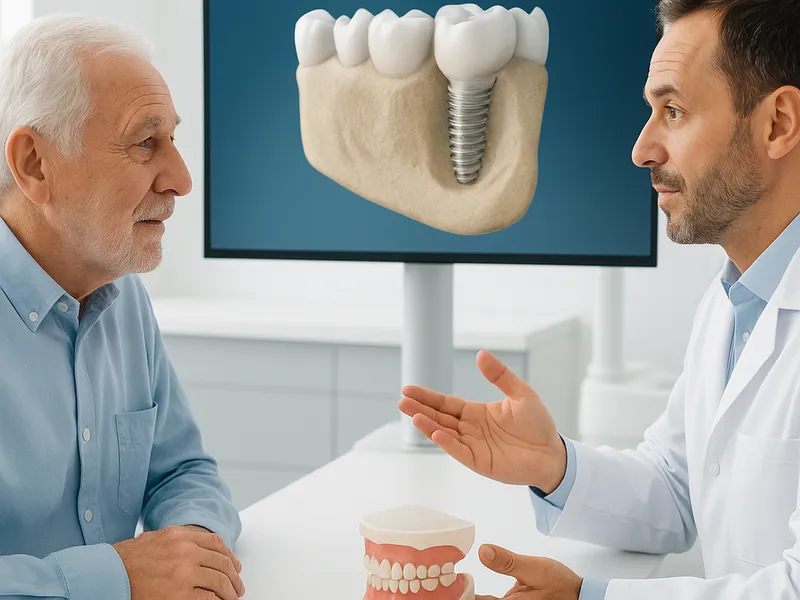
For seniors, restoring a smile and full chewing function can feel like a turning point in daily life. Dental implants offer a stable and natural feeling solution for missing teeth, helping preserve jawbone, support facial structure, and improve confidence in social situations. Unlike conventional dentures, implants fuse with the jawbone to create a durable foundation for a crown, bridge, or denture, letting seniors chew with more efficiency and speak more clearly. While not every patient is a candidate, advances in materials, surgical techniques, and digital planning have broadened the eligibility, and many clinics tailor approaches to bone health, medical history, and comfort.

Suitability and planning are central for seniors. Age itself is not a barrier, but overall health and bone quality matter. Conditions such as osteoporosis, diabetes, or cardiovascular disease, as well as medications like blood thinners, influence both the success of the implant and the approach to surgery. A careful medical evaluation and imaging are essential. Cone beam computed tomography, or three dimensional imaging, helps reveal bone density, sinus or nerve locations, and the geometry of the jaw. In some cases, bone grafting or sinus lift procedures may be recommended to create a solid foundation before an implant is placed. The option of one stage versus two stage surgery depends on bone condition and healing potential. For seniors who prefer gentler anesthesia, many practices offer sedation options or minimally invasive techniques that balance safety with comfort.

Implant types and materials have matured significantly. Most commonly used implants are endosteal implants, embedded into the jawbone, with a titanium or zirconia body and a prosthetic crown that sits atop an abutment. Mini implants, smaller diameter devices, can be suitable for certain openings or where bone is limited, though they may be used in specific situations rather than as a universal solution. Titanium remains the industry standard for its well documented osseointegration, the process by which bone grows around the implant to secure it. Zirconia implants provide a metal free alternative and appeal to patients who prefer ceramic materials. Your dentist will discuss the best fit based on bone density, bite forces, and aesthetics.

The typical journey from consultation to crown involves several well-defined steps. First, a comprehensive exam and medical history review determine candidacy and plan. Then comes detailed imaging to map the jaw and plan implant positions with precision. If existing teeth can be preserved, those decisions weigh into the sequence—sometimes extraction of unsalvageable teeth occurs before the implant goes in. The surgical phase places the implant into the jawbone, followed by a healing period where osseointegration takes place. Depending on the case, the prosthetic phase then attaches an abutment and a crown, bridge, or denture to restore function and appearance. Finally, a maintenance routine—careful brushing, flossing, and regular dental visits—helps protect the implant and surrounding teeth over many years.

Dental Implants Seniors

Cost, coverage, and value are important considerations for seniors. Implant treatment is typically more expensive upfront than traditional dentures or bridges, though it can offer long term savings by reducing wear on adjacent teeth and preserving bone. In the United States, pricing varies widely by region, surgeon experience, anesthesia needs, bone grafting requirements, and the type of restoration chosen. While Medicare generally does not cover implants, some private insurers offer partial coverage or rider plans that help with parts of the procedure, such as the crown or abutment. Financing options, patient discounts, and clinic membership programs can ease budgeting for seniors on fixed incomes. When evaluating cost, consider the overall value: a well planned implant can deliver decades of function, whereas lower cost options may require more frequent replacements or maintenance.

Comparisons of manufacturers and the pathways to obtain implants exist, reflecting both the science and the service network around dental implants. Leading manufacturers produce the implant bodies, abutments, and digital tools used by clinicians, while dental distributors and clinics provide access and support. Some of the most prominent brands include Straumann, Nobel Biocare (part of Dentsply Sirona), BioHorizons, Implant Direct, and Zimmer Biomet Dental. Each brand offers a range of implant designs and surface treatments intended to optimize initial stability and long term osseointegration. Straumann emphasizes a broad product family and strong research backing, and Nobel Biocare is noted for its global presence and integration with digital dentistry platforms. BioHorizons focuses on cost efficiency without compromising quality, while Implant Direct positions itself as a value option with a practical range of implants suitable for many cases. Zimmer Biomet Dental carries a long legacy in surgical devices and offers a comprehensive lineup that supports complex rehabilitations. In practice, most seniors will encounter these brands through clinical clinics rather than purchasing directly from a manufacturer. Large distributors such as Henry Schein and Patterson Dental supply clinics with implants, surgical kits, and education, enabling doctors to tailor treatment to each patient. For patients exploring options themselves, manufacturer websites provide product information and education, while booking portals on clinic sites or professional directories help find experienced implant specialists. For those who value digital planning or guided surgery, some clinics offer robotics-assisted or computer-guided implant placement—tools that enhance precision and can be appealing to patients seeking predictable outcomes.

What to ask your implant dentist about for seniors - What is your success rate with implants in patients of my bone density and health history? - Do you foresee bone grafting or sinus lift as part of my plan, and what are the risks? - What anesthesia options do you offer, and which would you recommend for my comfort? - How long will the full process take, and what restrictions on diet or activity should I expect? - What crowns or prostheses do you recommend, and how will they look in aging teeth? - What maintenance schedule do you require, and how will you handle potential complications? - Are there financing options or coverage possibilities I should explore?

If you are exploring options, start with a trusted clinician who combines expertise with open communication. Look for surgeons with extensive experience in the elderly population, ask for before and after photos, and request a detailed written plan that includes timelines and contingencies. It can also help to seek a second opinion if you are unsure about grafting needs or the choice between implant supported dentures versus single implants with crowns. Finally, combine care with diligent home hygiene and regular dental visits to protect your investment.

In a world where aging and dental health intersect, dental implants for seniors offer a compelling path to maintain nutrition, speech, and confidence. With careful evaluation, expert planning, and informed choices about materials and delivery, seniors can enjoy a durable solution that stands up to daily life and long years ahead.

← Back to all articles