
Denture Implants
Article
2025-12-15 • 5 min read

Denture Implants

Denture implants provide a stable and functional option for people who wear full or partial dentures but struggle with movement, discomfort, or slipping. When a dentist or prosthodontist recommends an implant supported denture, the goal is to anchor the den...

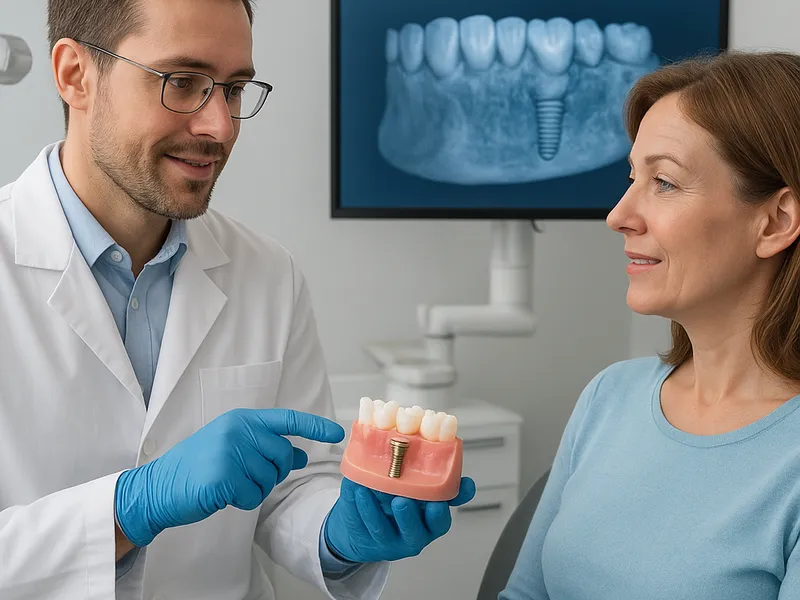
Denture implants provide a stable and functional option for people who wear full or partial dentures but struggle with movement, discomfort, or slipping. When a dentist or prosthodontist recommends an implant supported denture, the goal is to anchor the denture to the jawbone using dental implants, so chewing, speaking, and biting feel more natural. This approach combines the durability of implants with the practicality of a removable denture, offering a solution that can feel closer to real teeth without the need for permanent bridging.

How implant supported dentures work is best understood in stages. A thorough assessment begins with an examination of the jawbone density, overall oral health, and the integrity of the soft tissues. A CT scan or cone beam computed tomography image helps map the bone and plan implant placement with precision. If bone volume is insufficient, surgeons may consider bone augmentation or grafting to create a solid foundation for implants. Once the plan is finalized, implants are surgically placed into the jawbone. Over a healing period, the bone integrates with the implants in a process called osseointegration, creating a sturdy base for the denture attachments. After healing, the dentist attaches abutments or a bar framework to the implants. The denture is then modified to clip or snap onto these attachments, providing retention that improves stability and function.

Patients often hear about two main configurations for implant supported dentures: an overdenture with attachments that snap onto implants, and a fixed overdenture that sits on a bar or multiple implants and is removed only by a clinician. The overdenture with attachments works well for many people because it preserves the option of removal for cleaning and maintenance. A bar supported denture, while perhaps offering even greater stability, may require a longer treatment plan and more extensive fabrication. The choice between these options depends on mouth anatomy, bone health, cosmetic goals, and personal preference. Regardless of the configuration, the end result aims to minimize denture movement, improve bite force, and restore confidence in speaking and smiling.

Candidate suitability varies. Individuals with significant bone loss can still pursue implant supported dentures, especially with modern grafting techniques and alternative implant strategies. Good general health matters; uncontrolled diabetes, smoking, and certain medications can affect healing and implant longevity. Patients who have worn dentures for years often experience bone remodeling that changes the fit, so ongoing maintenance is critical. The decision to proceed should come after a candid discussion about expectations, potential risks, and the commitment to follow-up care. While implants don’t cure underlying bone loss, they do help preserve bone around the implant site when compared to removable dentures alone, contributing to long term stability.

Denture Implants

Costs and timelines are important considerations. Implant procedures involve surgical placement, restorative design, and prosthetic fabrication. Prices vary by region, clinic, and the specific implant system chosen, and they may be influenced by the need for bone grafting, the number of implants, and the type of denture attachment selected. Many patients find financing options or dental insurance coverage helpful, though plans often vary in what is included. In general, a full plan from consultation through delivery of an implant supported denture can span several months, reflecting the healing time required after implant placement and the careful fitting of the final prosthesis. While longevity and performance are strong advantages, patients should prepare for routine maintenance visits to ensure continued function and oral health.

When considering options in the market, it helps to understand the role of manufacturers and suppliers. Several major implant system providers serve clinicians with comprehensive portfolios designed to support denture implants as part of their restorative solutions. Straumann is recognized for its durable implant platforms and education programs that help clinicians tailor implant supported denture configurations to individual mouths. Dentsply Sirona, through its Nobel Biocare line and related education, offers compatible components and documentation that assist planning for overdentures and bar supported systems. Zimmer Biomet Dental and BioHorizons provide additional options and attachment mechanisms that can be used with various denture designs. Asian and European manufacturers such as Osstem and MIS Implants Technology offer broad global support networks and different connection systems that clinicians may pair with overdentures and bar solutions. For clinics, distribution networks like Henry Schein and Patterson Dental serve as primary sources for implants, prosthetic components, restoration materials, and patient education resources, enabling practitioners to assemble complete treatment plans with consistent supply chains.

Top clinics and websites often present patient education resources that explain the steps, timelines, and expectations in accessible language. They discuss candidacy, the surgical and prosthetic phases, and how maintenance fits into long term oral health. While patient websites can be informative, the ultimate plan should come from a licensed clinician who can tailor treatment to anatomy and health status. Because implant procedures involve surgical placement and bone integration, do not attempt self treatment or at home adjustments. If you’re exploring options, start with a dental professional who can conduct a personalized assessment, discuss the most compatible implant system, and outline a realistic schedule and budget. The right approach blends clinical expertise, patient expectations, and reliable systems from experienced manufacturers to yield reliable, comfortable results.

In summary, denture implants offer a practical bridge between conventional dentures and fixed dental solutions. For many patients, the result is less movement, improved chewing ability, easier cleaning, and greater confidence in daily activities. The journey from consultation to final restoration is collaborative, requiring careful planning, skilled surgical execution, and precise prosthetic fabrication. With the growing array of implant systems and strong support networks from leading manufacturers, patients have access to durable, well-supported options that can enhance quality of life for years to come.

← Back to all articles