
DNA Test
Article
2025-12-11 • 5 min read

DNA Test

Consumer DNA testing has shifted from a niche scientific pursuit to a common household activity, offering not only clues about family history but also insights into traits and potential health predispositions. The term DNA Test encompasses a range of servic...

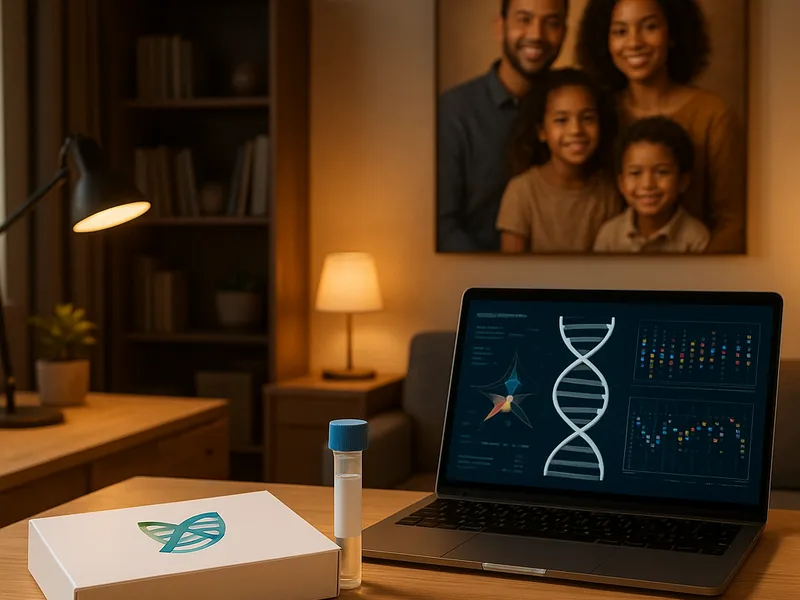
Consumer DNA testing has shifted from a niche scientific pursuit to a common household activity, offering not only clues about family history but also insights into traits and potential health predispositions. The term DNA Test encompasses a range of services sold directly to individuals online or through retail partners, each with its own emphasis on ancestry, wellness, or comprehensive genetic data. In a market that grew rapidly over the last decade, a handful of providers have established themselves as leaders by combining user friendly experiences with expansive databases and evolving interpretations of genetic information.

One of the most visible appeals of DNA testing is genealogy. For many people, a DNA test opens doors to relatives they never knew, complementary to traditional family tree research. Matched relatives appear in the test provider’s platform, and advanced algorithms help users triangulate connections by comparing shared segments of DNA. This is not merely about locating cousins; it is about constructing a more complete picture of one’s lineage, migration patterns, and regional origins. Beyond family history, many consumers are curious about genetic traits and health-related information that can surface through testing, though it is important to approach health results with caution and awareness of what the science can and cannot predict.

How a DNA test works in practice is straightforward, but the science behind it is nuanced. Most consumer tests begin with a simple sample collection, typically saliva or cheek swabs, which are then sent to a partner laboratory. There, the sample is analyzed to read specific markers across the genome. The processed data is then uploaded to a secure online account where customers can view their results, visualize ancestry composition, and connect with potential relatives. Some providers also offer health reports that cover pharmacogenomics, disease risk indicators, and wellness traits, though the predictive power and clinical utility of these insights vary and are not definitive medical advice.

Tests differ in both depth and focus. Genotyping arrays survey common genetic variants across the genome, offering reliable ancestry inference and some trait associations at a lower cost. Whole genome sequencing, by contrast, reads nearly every base in the genome, delivering a far more comprehensive data set at a much higher price. There are also services that emphasize privacy and data control, allowing customers to download raw data or opt out of sharing experiments with researchers. For people curious about family history with a touch of science, ancestry oriented tests are often the best place to start. For those who want more exhaustive data and are comfortable with higher costs, advanced options exist, sometimes bundled with additional privacy protections or data control features.

Top companies in this space differ in database size, geographic coverage, and the emphasis of their offerings. A few players commonly referenced by consumers include:

- 23andMe: Combines ancestry reports with health and trait insights. It provides user friendly dashboards and allows users to opt in to data sharing with researchers. The company frequently updates its health reporting portfolio, and it includes ancestry estimates that cover global populations with increasingly granular regional breakdowns.

- AncestryDNA: Known for its vast genealogical database and strong relatives matching functionality. It shines for people who want to expand a family tree and discover connections, with a simpler health reporting pathway that is less emphasized than genealogy tools.

DNA Test

- MyHeritage DNA: Offers competitive pricing and solid geographic coverage, particularly useful for users with European and Middle Eastern origins. It integrates with MyHeritage’s family tree building tools, allowing a hybrid approach to lineage research.

- FamilyTreeDNA: Focused on rigorous genealogical testing with options for Y chromosome and mitochondrial DNA tests. It is valued by serious genealogists who want deep lineage splits and multiple test types, though its consumer health reporting is more limited.

- Nebula Genomics: Appeals to privacy minded users who want broader genetic data, including whole genome sequencing, along with transparent data ownership and the option to download raw data for independent analysis. It is typically more expensive but targets a niche audience seeking maximum data control.

- Living DNA: Offers fine grained regional breakdowns, with a strength in European ancestry detection. It is a good option for those who want detailed regional insights.

Prices for these services vary widely, from budget friendly ancestry kits to more costly packages that include health reporting or whole genome data. In general, the choice often comes down to what you want to learn, how much you value privacy controls, and how large you want your reference database to be for relative matching. When evaluating a provider, consider not only price but also data rights, how long results are accessible, the ease of exporting or sharing raw data, and what guarantees exist for updating reports as science evolves.

If you are considering a test, here is a practical path to take. First, decide your primary goal: is it genealogy, or are you seeking health related information as an additional facet? Second, compare databases and family matching features side by side, paying attention to regional representation and the size of the user community. Third, review privacy and data usage policies. Some providers allow you to opt out of research projects or limit how your data can be used, and others provide clearly defined data deletion options. Fourth, assess the workflow from ordering to results. Look for clear instructions for sample collection, a reasonable processing window, and the ability to download or share raw data if you wish to explore third party tools or services. Fifth, plan how you will use results. Gene information can illuminate family history and potential traits, but it is not a substitute for medical advice or clinical testing when evaluating health risks or conditions.

For many customers, the value lies in starting with a well known company that offers robust family matching and reliable ancestry results, then expanding into broader data exploration with a provider that emphasizes privacy or deeper genomic data. If you decide to pursue health related information, approach it as a supplementary glimpse into your biology and be mindful of the limitations. Discuss any concerns with a healthcare professional, particularly if the results suggest potential risk factors or if you have a family history that warrants clinical attention.

In the end, DNA testing is as much about personal discovery as it is about data. It invites curiosity, connects generations, and invites a conversation about what it means to know more about where we come from and how we might live healthier lives. The best practice is to proceed with clear goals, a keen eye on privacy, and a willingness to interpret results with nuance and care.

← Back to all articles