
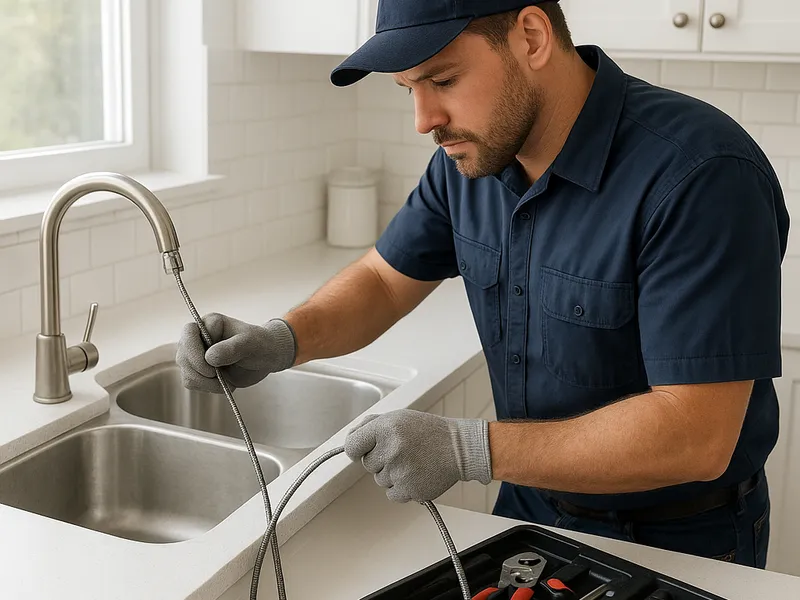
Drain Cleaning
Article
2025-12-11 • 5 min read

Drain Cleaning

Drain cleaning is a practical corner of home maintenance that touches everyday life more than most homeowners realize. When a sink won’t drain, a shower backs up, or a sewer line coughs with an unpleasant scent, the entire household can feel the disruption....

Drain cleaning is a practical corner of home maintenance that touches everyday life more than most homeowners realize. When a sink won’t drain, a shower backs up, or a sewer line coughs with an unpleasant scent, the entire household can feel the disruption. Yet behind every clogged drain lies a spectrum of solutions, from simple DIY methods to professional services that can restore flow and peace of mind. This article surveys the landscape of products and services, offers guidance on when to DIY versus call a pro, and compares a few widely available options you can consider before your next clogged pipe becomes a larger headache.

For the average household, the first instinct is often a retail product aimed at quickly dissolving the obstruction. The market now includes a mix of caustic chemical cleaners, enzymatic cleaners, and mechanical tools engineered to clear hair, grease, soap scum, and mineral buildup. Chemical cleaners can be effective for minor, non septic system clogs and are widely available at big box stores, drugstores, and online. They work by producing heat and chemical reactions that break down organic matter. Enzymatic cleaners take a different approach; they rely on microbe-enzyme blends to digest organic waste over time, which can be gentler on pipes and septic systems but may require multiple applications. Mechanical tools range from basic plungers to hand augers and motorized drain snakes that physically tackle the blockage. For stubborn or recurring clogs, professionals often employ hydro jetting, a high pressure water technique that clears buildup from the entire pipe diameter and is typically performed by licensed plumbers.

When deciding where to buy or whom to hire, consider three broad categories: DIY products for at home use, hardware retailers that stock a wide range of tools and supplies, and professional plumbing services capable of diagnosing more complex issues. Online marketplaces like Amazon provide a vast catalog of options, from budget drain cleaners to premium tools, along with customer reviews that help gauge effectiveness and safety. Large home improvement retailers such as Home Depot and Lowe’s offer both in store and online access to plungers, augers, hydro jetting equipment, and branded drain cleaners, sometimes with rental options for specialty gear. They also provide guidance through staff and printed how-to resources, making them a reasonable choice for first time users. Regional hardware shops like Ace Hardware can offer personalized service and quick access to consumables, with staff who can tailor recommendations to local plumbing norms. For more budget oriented choices, retailers like Walmart and Menards carry a mix of household cleaners and basic tools, though selection and expertise can vary by location.

Drain Cleaning

On the service side, established plumbing networks such as Roto-Rooter and Mr. Rooter Plumbing are often what people think of when they imagine professional drain cleaning. These franchises emphasize round the clock service, upfront pricing quotes, and a range of options from camera inspection to hydro jetting. They can be reliable for emergencies and for complex clogs that require specialized equipment, but price and responsiveness can vary by location. Independent licensed plumbers or local plumbing companies offer another viable route, frequently providing more personalized scheduling, flexible pricing, and proximity advantages. In the digital era, service marketplaces and contractor directories like HomeAdvisor or Angi help connect homeowners with vetted local options, along with reviews to guide selection.

Pricing and expectations are important to manage. DIY products are inexpensive upfront, but their effectiveness is dependent on the clog type and pipe condition. A typical home drain blockage that can be addressed with a plunger or basic auger might cost only a few dollars in consumables and an hour of effort. If you need professional help, note that service calls and diagnostic charges are common, with drain cleaning or hydro jetting often billed as separate line items. Hydro jetting, when required, can be significantly more expensive, reflecting equipment use and the labor involved. For homeowners with septic systems, it’s wise to avoid aggressive chemical cleaners that could disrupt beneficial bacterial balance; instead, opt for enzymatic cleaners or professional services that are septic friendly. Always ask for a written estimate, clarify what is included (diagnosis, parts, labor, guarantees), and understand any post service guarantees or maintenance recommendations.

For practical guidance on how to take care of drains at home, here are common steps many homeowners can follow safely. Start with simple maintenance: use drain strainers to catch hair and food scraps, flush sinks with hot water regularly, and avoid pouring grease or fatty residues down kitchen drains. If a clog occurs, begin with mechanical methods. A plunger is most effective on sinks and tubs when you can create a tight seal around the drain opening and pump with steady pressure. If plunging fails, try a hand auger or a battery powered motorized snake, feeding the tool into the drain with controlled rotations to break up or hook the obstruction. For slow draining sinks, a baking soda and vinegar treatment followed by hot water can help, but avoid combining with chemical cleaners in a way that could create dangerous reactions. If the blockage is persistent, or if you notice sewer gas, sewage backing up into multiple fixtures, or signs of structural pipe problems, it’s time to call a licensed plumber. They can perform camera line inspection to locate cracks or hard mineral buildup and choose the best approach, which may include hydro jetting or pipe repair. In the long term, regular maintenance and mindful usage habits reduce the frequency of clogs and extend the life of your plumbing system.

In the end, the right choice hinges on the situation at hand. For routine maintenance and minor clogs, a curated set of tools and safe cleaners can keep drains flowing and avoid unnecessary service calls. For more challenging blockages, or when dealing with aging pipes, professional intervention not only saves time but can prevent more serious damage and costly repairs. The best approach balances knowledge, safety, and cost, guided by the specifics of the home, the nature of the clog, and the proximity of reliable professionals. With a clear understanding of the options and a sensible maintenance routine, drain cleaning becomes a manageable part of responsible home ownership rather than a recurring mystery.

← Back to all articles