
Ductless Air Conditioner
Article
2025-12-11 • 5 min read

Ductless Air Conditioner

Ductless air conditioners have quietly transformed how homes and small businesses approach cooling. Rather than forcing air through a network of ducts, these systems use discrete indoor units connected by a slim refrigerant line set to a single outdoor cond...

Ductless air conditioners have quietly transformed how homes and small businesses approach cooling. Rather than forcing air through a network of ducts, these systems use discrete indoor units connected by a slim refrigerant line set to a single outdoor condenser. The result is flexible zoning, improved efficiency, and the ability to cool or heat spaces that are difficult to service with traditional central air. In places with seasonal swings or in homes that lack existing ductwork, a ductless mini split can be a practical, less invasive option that preserves room style while delivering consistent comfort.

At the heart of a ductless system are two main components: an indoor unit mounted on a wall, ceiling, or floor, and an outdoor condenser that houses the compressor and condenser coil. A refrigerant line set links these pieces, carrying cooling or heating energy between indoor and outdoor environments. Each indoor unit can be controlled independently, often with a small remote or a wall-mounted thermostat. Because there are no ducts to leak conditioned air, the system tends to deliver precise temperatures with less energy waste. The design also means faster installation compared with a full central air project, especially in retrofits where constructing a duct network would be disruptive or costly.

One of the strongest selling points is zoning. If portions of a home are occupied at different times or have varying cooling needs, you can tailor the climate in each room without overcooling or overheating other spaces. For families that prioritize quiet operation, many indoor units run at whisper levels, and the outdoor condenser is designed to minimize noise as well. And because these systems are modular, you can start with a single zone and add more indoor units later if the home layout changes or if the budget allows. This scalability makes ductless an appealing solution for home remodels, additions, or rooms that simply don’t justify a full ducted system.

When choosing a system, brand selection matters because it influences performance, reliability, and after sales support. In the premium tier, brands like Mitsubishi Electric and Daikin have long been favored by contractors for their durability and efficient variable speed compressors. Mitsubishi Electric is recognized for strong multi zone performance, robust warranty coverage, and quiet operation across many models. Daikin offers compact indoor units and a wide range of SEER efficiency levels, with a broad dealer network for service. In the mid range, LG and Panasonic often deliver good value with modern controls and connectivity, appealing to homeowners who want smart features and straightforward installation. Fujitsu and Toshiba provide reliable options as well, with emphasis on quiet performance and favorable maintenance profiles.

Ductless Air Conditioner

Beyond brand, the shopping landscape for ductless systems includes both manufacturer sites and major retailers. Manufacturer official sites typically provide product specs, warranty terms, and dealer locators, which helps buyers compare models before consulting a local installer. Large home improvement retailers such as Home Depot and Lowe’s carry curated lines of mini split systems, including several competitively priced options from multiple brands. These retailers are convenient for in person consultations, in store promotions, and bundled installation services. Online marketplaces like some general retailers and dedicated HVAC distributors can offer additional choices and customer reviews, though buyers should verify that installation services are available in their area and performed by licensed technicians. For many households, the most reliable approach is to obtain assessments from a few certified installers who can propose specific model counts, confirm proper sizing with a load calculation, and guarantee that refrigerant lines, condensate drainage, and electrical connections meet code requirements.

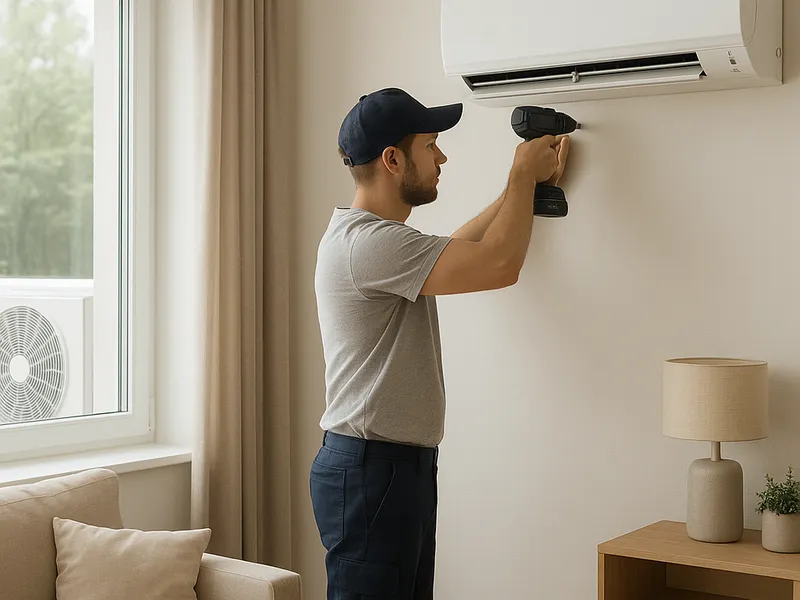
Sizing and installation deserve careful attention. A professional load calculation is essential to determine the proper number of zones and the appropriate capacity for each indoors unit. Oversized systems may cool rooms quickly but struggle to dehumidify effectively, while undersized setups chase comfort and waste energy. A qualified installer will map out the home layout, identify the ideal mounting heights, and plan the outdoor condenser location to minimize noise and maximize efficiency. They will also confirm electrical requirements, determine refrigerant line routing, and install condensate drainage with proper slope. After installation, a commissioning process ensures all indoor units respond to the system controls, that balance between zones is achievable, and that the system operates smoothly through heating and cooling modes.

Maintenance is simpler than many imagine. Regular filter cleaning, dusting of the indoor units, and periodic professional checkups help preserve efficiency and prolong the life of the system. Because there are fewer duct joints to seal, there are fewer opportunities for air leakage, which contributes to consistent comfort and reduced energy consumption. In humid climates, ensuring proper drainage and humidity control is important; some systems offer dehumidification modes that can complement cooling to maintain comfortable levels without excessive cooling.

For households considering cost, it is useful to view ductless as an investment that pays off over time through energy savings and improved comfort. Financing options and incentives from manufacturers or local utilities can soften the upfront price. When comparing quotes, look beyond sticker price to include system efficiency ratings, warranty terms, installation scope, and the reputation of the installing contractor. A well chosen ductless system built by a reputable brand and installed by a licensed professional should deliver reliable performance for many years, with the flexibility to add more zones as needs evolve.

In sum, ductless air conditioners offer a practical path to targeted, energy efficient cooling without the overhead of a full ducted system. They excel in homes with sporadic occupancy, historical buildings where ducts are impractical, and spaces with awkward layouts that resist central airflow. The right brand mix, thoughtful sizing, and skilled installation work together to create a comfortable, efficient environment that respects the character of a home while embracing modern climate control technology.

← Back to all articles