
Electric Window Blinds
Article
2025-12-12 • 6 min read

Electric Window Blinds

Electric window blinds have quietly transformed how homes manage light, privacy, and energy use. At their core they are an evolution of simple window coverings with a motor that opens and closes them at the tap of a button, a command on a mobile app, or via...

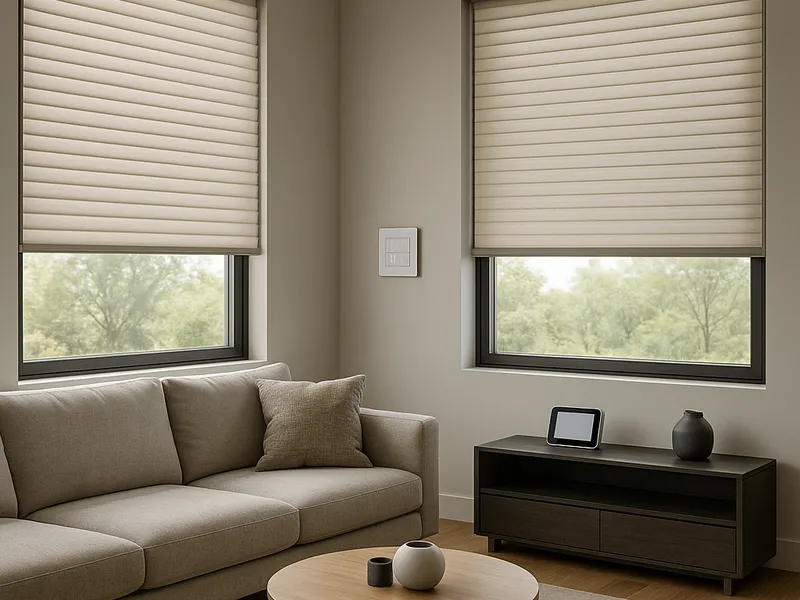
Electric window blinds have quietly transformed how homes manage light, privacy, and energy use. At their core they are an evolution of simple window coverings with a motor that opens and closes them at the tap of a button, a command on a mobile app, or via voice control. This fusion of convenience and technology makes them especially appealing for busy households, frequent travelers, and spaces where natural light is both a resource and a challenge. The latest options blend fabrics and slat styles with smarter motors, longer battery life, and deeper integration with home automation systems. Whether you are outfitting a new build or retrofitting an older room, electric window blinds offer a path to more comfortable living spaces without sacrificing aesthetics.

The technology behind electric window blinds ranges from compact battery powered motors to hard wired systems connected to home networks. Battery powered shades are popular for do it yourself installations because they avoid the complexity of wiring. They do require periodic battery replacement or recharge, but modern designs emphasize low power consumption and longer life between changes. Hard wired or plugged in systems, by contrast, can offer more consistent performance and often better integration with central control systems. In both cases, the motor is paired with a control mechanism that can be a dedicated remote, a wall switch, or a mobile app. The most capable ecosystems also enable scheduling, geofencing, and scene creation so blinds respond automatically to time of day, room occupancy, or other smart devices.

Control options have matured beyond a basic remote. You can now run electric blinds via smartphone apps, wall panels, or voice assistants, depending on the brand and model. Many products support multiple methods, so you can operate them from a sofa, from your kitchen counter, or from a bed without getting up. For larger homes or commercial spaces, centralized hubs coordinate dozens of windows for consistency in daylight control. In addition to convenience, motorization enhances safety for households with children or pets by removing cords and eliminating the risk of cords snagging in furniture or cribs. It also contributes to energy efficiency: by automatically reducing glare during the heat of the day, blinds help maintain comfortable indoor temperatures and reduce cooling costs.

When choosing electric window blinds, consider style, fabric, and the level of light control you want. Roller shades and Roman shades are among the most common choices because they offer a clean profile, ease of maintenance, and a broad range of fabrics from sheer to blackout. Venetian and pleated styles provide a more architectural look with adjustable slats that can tilt to control light while preserving privacy. The fabric or slat choice influences not only aesthetics but practical factors like UV protection and durability. Some fabrics are designed to filter sunlight for a soft glow, while blackout materials are ideal for media rooms or bedrooms where complete darkness enhances comfort. For rooms with strong sun exposure, consider fabrics with UV resistant finishes that help protect furniture and flooring from fading.

Electric Window Blinds

In evaluating brands and retailers, several players stand out for reliability, control options, and customer support. Hunter Douglas is known for its PowerView motorization, which combines quiet operation with a sophisticated app and remote control options. PowerView can be integrated into broader smart home setups via compatible ecosystems, and automated routines can be tailored to individual rooms or zones. Lutron Serena shades offer strong performance and superb orchestration within the Lutron ecosystem, often favored by designers and premium homeowners who want precise control in a coordinated system. For a broader mix of options and easier procurement, Bali Blinds and Graber provide motorized lines that are widely available through major retailers and online stores. These brands tend to balance price and performance, delivering robust motorized solutions without the premium price tag of the luxury category. Online retailers such as Blinds com and The Shade Store present a wide catalog of motorized options from multiple manufacturers, allowing customers to compare fabrics, opacities, and control methods side by side. For those who value customization and professional advice, working with a dealer that offers measurement services and in home installation can be worth the extra cost, particularly for large or unusually shaped windows.

The cost of electric window blinds varies widely based on size, fabric, and motor type, but a general rule of thumb is that premium motorized shades will be more expensive per square foot than basic manual shades. Expect to pay a premium for high end fabrics, blackout options, and fully integrated smart controls. The investment often pays for itself over time through improved comfort, energy savings, and reduced wear on mechanical windows. Some retailers offer bundled packages that include measuring, installation, and extended warranties, which can simplify budgeting and add long term value. If you are comparing options, be sure to review not only the sticker price but also projected maintenance costs, battery replacement intervals, and the availability of replacement parts or fabric swatches.

A practical path to choosing your electric blinds starts with a careful assessment of your rooms. Measure the width and height of windows, noting any obstructions such as trim or molding that might affect mounting. Decide on a preferred control method: a wall switch for high traffic areas, a remote for flexibility, or a mobile app for integration with other smart devices. Consider whether you want all blinds in a room to operate in unison or if you prefer individual window control for scenes or zones. If you are upgrading an existing space, check for compatibility with your current smart home hub and confirm whether additional gateways are required. For new builds, incorporate the window treatment plan into your electrical and interior design early so wiring and mount points can be optimized.

Installation can be straightforward for battery powered options that mount inside the window frame, but some setups require professional installation, especially for hard wired systems or custom windows. If you choose professional installation, discuss motor options, mounting hardware, and alignment of multiple shades to ensure smooth, synchronized operation. After installation, run through a testing routine to verify that each blind responds correctly to the controller, that the blackout fabrics meet your privacy expectations, and that any automated schedules function as intended. Maintenance is typically simple: wipe the fabric and slats with a soft, dry cloth, inspect the battery or power connection periodically, and replace batteries or recharge as needed to keep performance steady.

Ultimately electric window blinds offer more than convenience. They provide a path to refined daylight control that aligns with modern energy management and smart living, while preserving the look and feel of your interior design. With a little planning, you can select a system that not only looks beautiful but also behaves reliably for years to come. The right combination of style, fabric, and control can transform rooms from simply lit spaces into curated environments where light, shade, and ambience harmonize with daily routines.

← Back to all articles