
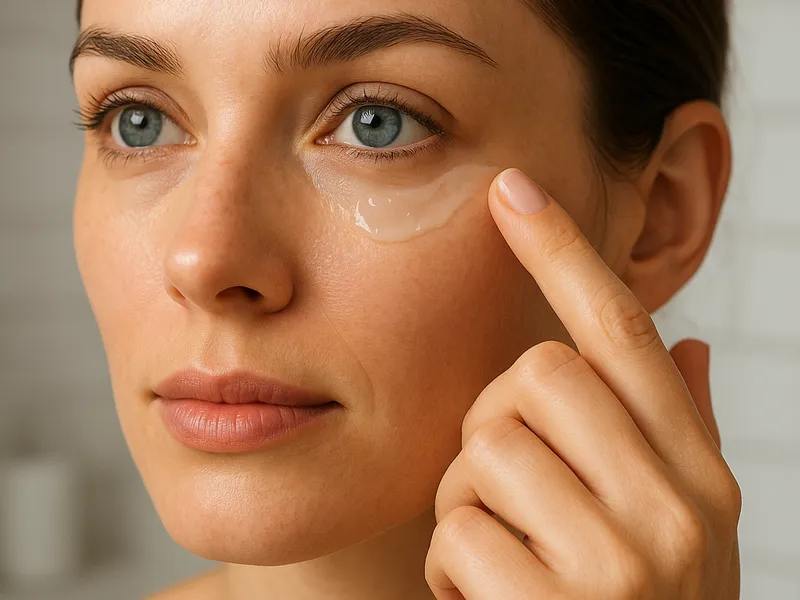
Across ages and skin tones, many people face eye bags and dark circles as a persistent skin concern. While the issue is often cosmetic, it can affect how rested and awake you appear, influencing daily confidence and social interactions. The root causes vary widely, from genetics and aging to lifestyle factors such as sleep quality, hydration, sun exposure, and even seasonal allergies. Rather than viewing it as a single problem, it helps to see eye bags and dark circles as a combination of puffiness, pigmentation, and structural changes around the eye area. This means that effective strategies usually involve a layered approach rather than a single miracle product or one-size-fits-all treatment.
A useful framework starts with whether your primary concern is puffiness, dark pigmentation, or hollowing and thinning skin around the orbital area. Puffiness tends to come and go with fluid balance and sleep cycles, while dark circles can be caused by pigment deposits, increased visibility of blood vessels, or the natural shadow cast by the under-eye hollow. In many people, especially those with lighter skin tones or a family history of under-eye darkness, pigmentation plays a larger role than immediately obvious. In others, the hollow underneath the eye—the loss of fat and collagen with age—creates a shadow that looks like a dark ring, even if pigment is minimal. Understanding which of these forces dominate informs your product choices and whether you should pursue professional treatments.
For at home care, start with a gentle, consistent routine that respects the delicate skin around the eyes. Daily sunscreen is non-negotiable, because sun exposure aggravates pigmentation and speeds photoaging. Look for broad-spectrum protection with mineral or chemical filters and a formulation designed for the eye contour that remains comfortable when worn under makeup. Next, consider eye creams or serums containing caffeine, peptides, vitamin C, hyaluronic acid, ceramides, or retinoids formulated for the orbital area. Caffeine can help with temporary tightening by constricting vessels and reducing puffiness, while peptides support collagen production and skin resilience over time. Vitamin C brightens and provides antioxidant protection, and retinoids or retinaldehyde derivatives can support collagen production, though retinoids should be used with caution near the eyelids and preferably under professional guidance or with tolerable, lower concentrations.
Ingredients to prioritize and questions to ask when selecting products:
Caffeine or green tea extracts for swelling reduction and anti-inflammatory effects.
Peptides that signal collagen and elastin production in the delicate eye skin.
Vitamin C for brightness and pigmentation improvement, preferably in a stable, ophthalmologist-tested formula.
Hyaluronic acid for hydration and plumping, which can visually soften fine lines.
Broad-spectrum SPF for day use to prevent further pigment changes.
Retinoids or retinaldehyde only if the product is designed for the eye area and you have built up tolerance slowly.
How to apply effectively: use a pea-sized amount or smaller, dab with your ring finger along the orbital bone, and avoid rubbing or pulling on the skin. Pat lightly to help with absorption and to stimulate circulation without creating additional irritation. If you are new to active ingredients, introduce one product at a time and monitor how your skin responds for several weeks before layering more. If you notice persistent irritation, discontinue use and consult a dermatologist.
