
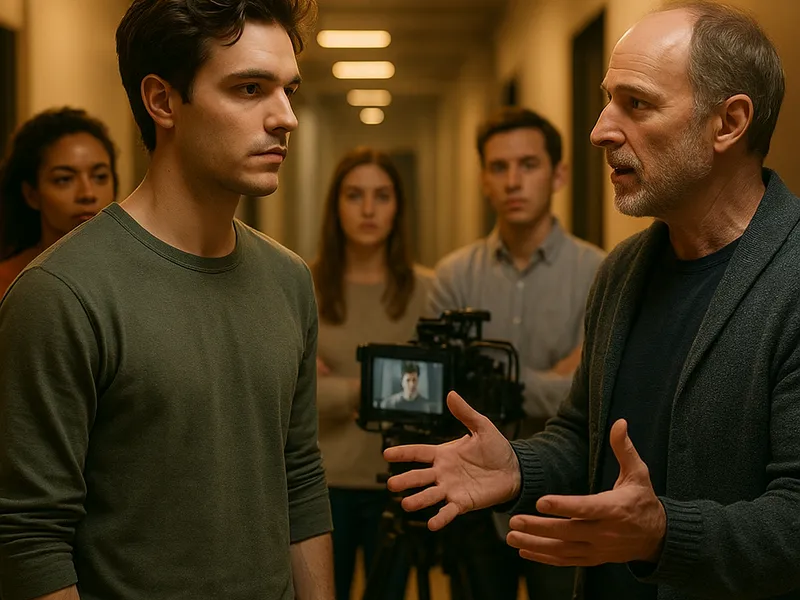
Film acting school is not simply about memorizing lines. It is a disciplined craft that blends technique, intuition, and collaboration to create performances that register on camera as authentic and specific. Students learn to read scripts, develop a character from internal choices, and translate those choices into physicality, voice, and facial expression that read clearly on screen. Because film demands subtlety different from stage work, training often highlights on camera presence, audition technique, and working with crews in real production environments. The best programs weave class work with real shoots, giving students a sense of pace, teamwork, and the unpredictability of a set. In a field where minutes of screen time can define a career, deliberate practice in a structured setting is a powerful head start.
Across formats, prospective actors can choose between immersive conservatory style programs and flexible online courses, with widely recognized institutions and platforms offering a range of options. Traditional acting conservatories and studios emphasize long term craft: the actor studies voice, movement, analysis, and scene work intensively. The New York Film Academy offers hands on training across certificates and degree programs, designed to simulate real production cycles with frequent shoots and collaborating crews. The Lee Strasberg Theatre and Film Institute and the Stella Adler Studio of Acting focus on technique grounded in lineage and text analysis, with an emphasis on character study and reliable preparation. For those who want a broader academic framework, universities such as UCLA Theatre, Film and Television provide degree programs that blend performance with coursework in film history, screen production, and critical analysis, creating a well rounded path that can lead to broader career options beyond acting alone. Private studios and schools encourage ongoing showcases and industry conversations that can yield auditions and connections with directors, casting directors, and agents. In short, in person training tends to be depth oriented and relationship rich, but it requires time, money, and geographic flexibility.
Online platforms have transformed access to film acting training by offering flexibility and affordability. MasterClass provides courses taught by notable actors and filmmakers, combining high quality video instruction with scene study and career guidance. Learners benefit from structure and inspiration even if they cannot participate in a local studio. Platforms such as Udemy and LinkedIn Learning let students pick specific acting skills—from on camera technique to voice work—and purchase or subscribe according to budget. Coursera and edX partner with universities to deliver courses that situate acting within a broader study of cinema, performance theory, and media culture, often including graded assignments and certificates. For many learners, these online options serve as a testing ground to discover passions before committing to a more demanding program, or as a supplementary resource alongside a local class.
