
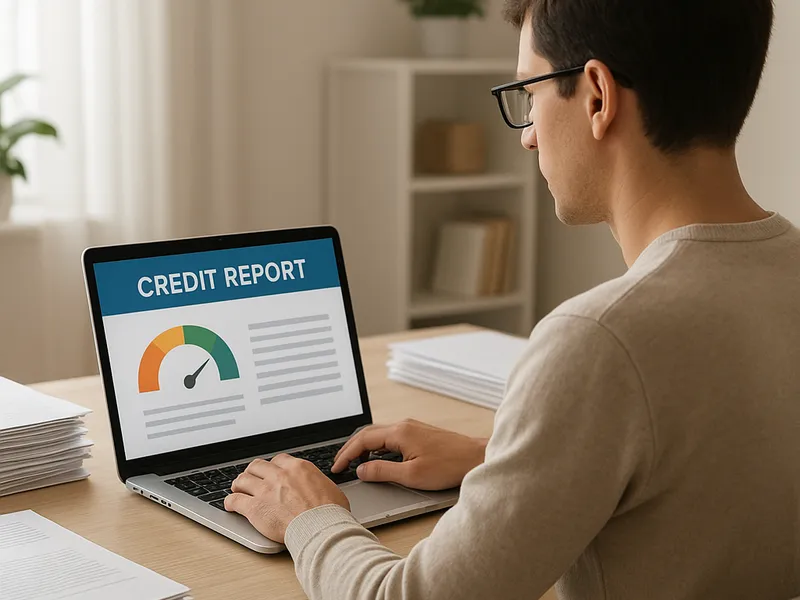
Free credit reports can feel like a doorway to clearer financial thinking, but the path to them is rarely a straight line. The promise of a free snapshot of your financial life is appealing, yet the landscape includes official portals, marketing pages, and a range of services that offer free scores and monitoring. Understanding what you are getting, how to access it, and how to act on what you find is essential for anyone who wants to build a solid credit profile or protect themselves from identity risks.
A credit report is a historical record. It lists accounts that have been opened in your name, their current status, balance, and payment history. It also shows who has requested your report, along with other items like public records and sometimes inquiries that can affect your score. The exact content can vary by bureau, but the core idea remains the same: it is a detailed view of your credit activity that lenders use to assess risk. Because the information is sensitive, you want it to be accurate, up to date, and free from unfamiliar accounts or erroneous late payments. The most important thing is not to confuse a credit score with a credit report. A score is a numeric estimate of your credit risk based on the data in your report, while the report itself is the underlying data.
For most people, the starting point is an official, free path. In the United States, you are entitled to free annual credit reports from the three major bureaus—Experian, Equifax, and TransUnion. The legitimate way to obtain all three in a formal, legally supported format is through a single portal that consolidates requests: AnnualCreditReport.com. This site is not selling you products; it is your gateway to the actual reports that the lenders rely on. The process is straightforward: verify your identity with information only you would know, answer a few security questions, and you will receive the reports. You can request one bureau at a time or all three in a single session, depending on what you need. Some people use this option seasonally or after a major life event, such as a new job or a big loan, to review what has changed.
Beyond the official three bureau reports, many consumers turn to third party services that offer free credit scores or free monitoring. These do not replace the full, formal credit file but they can provide ongoing visibility into your credit health. Credit Karma is one such service, offering free credit scores and credit monitoring based on data from two bureaus. The score you see there is typically a VantageScore rather than a FICO score, and the emphasis is on ongoing alerts, personalized tips, and marketplace offers. The upside is accessibility and frequent updates without a price tag; the trade-off is that you may not be pulling the same full data that lenders see on a formal report.
Experian itself also provides a free credit score option. The Experian Free Credit Score gives you a current score from Experian along with some basic monitoring features. This can be a useful complement to the official reports, especially if you want the perspective of a single bureau and a simple way to track changes. However, it does not automatically replace your need to check the official reports for accuracy, especially if you are actively disputing items or freezing your credit.
Other services like Credit Sesame and Mint also provide free credit scores and basic monitoring. They differ in how they source data and how often your score updates, so it is worth sampling a couple of services to see which interface and notifications you prefer. The common thread is that these options offer ongoing insight at no immediate cost, but they may use the data for marketing or offer paid upgrades for more in-depth monitoring.
If your goal is to maximize accuracy and control, start with the official free reports. Here is a practical workflow you can follow:
Decide your objective: Do you want a full, formal understanding of what lenders see, or are you primarily interested in a current score and ongoing alerts?
