
Garden Offices Prices
Article
2025-12-10 • 5 min read

Garden Offices Prices

Garden offices have become a common feature for homeowners seeking productive space without leaving the house. As you start comparing options, one of the first questions you’ll encounter is price. Garden office pricing is not a single figure; it reflects a ...

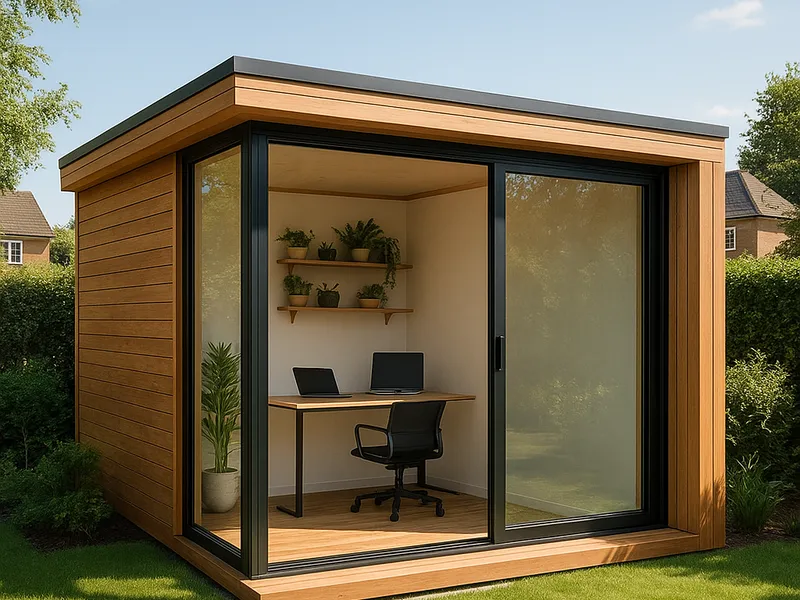
Garden offices have become a common feature for homeowners seeking productive space without leaving the house. As you start comparing options, one of the first questions you’ll encounter is price. Garden office pricing is not a single figure; it reflects a blend of design choices, materials, size, and the level of finishing you expect. In practice, a compact, well-insulated timber pod with basic electricity can be far cheaper than a larger, fully featured studio with bespoke joinery, underfloor heating, and smart controls. Understanding the key drivers behind the price helps you align your budget with your needs and your expectations for comfort and longevity.

Size remains the most obvious determinant. A small garden office that accommodates a desk, chair, and a few shelves typically costs far less than a larger space that might serve as a meeting room or a guest suite. But size does not act alone. The footprint influences foundation choices as well as the amount of glazing and insulation needed to maintain a comfortable climate throughout the year. The frame and cladding materials also push prices in different directions. Premium timber finishes, even double glazing and timber insulation, deliver aesthetics and performance that higher price brackets demand, while more economical panels or standardised modules can reduce upfront costs considerably.

The foundation and installation method are another big variable. A garden office perched on a concrete slab or timber bearers requires different site work and materials than a very simple, pre-assembled unit that arrives in modular sections with a lift onto a prepared base. Some providers offer turnkey installation, which includes foundations, electrical wiring, lighting, sockets, and even lighting controls, while others present a more modular approach where you handle parts of the project or opt for a partial installation. The result is price variance that you can see reflected in the quotes you obtain from different suppliers.

Insulation and energy performance drive ongoing costs, and they also affect your comfort. A well-insulated structure with airtight seals can feel almost as comfortable as an interior room, even on cooler mornings. The price premium for features such as double or triple glazing, insulated floors, and air source heating or underfloor heating can be substantial, but heat loss is often one of the biggest budget savers in the long run. In many markets, energy efficiency also intersects with planning and building regulations, so you may want to check what standards apply to your chosen design.

Garden Offices Prices

Design details and finish are the final gatekeepers of budget. Interior finishes, built-in storage, high-end work surfaces, and integrated electrical systems all push the price higher. A basic white-painted interior with modular furniture will come in at a lower price than a studio that includes bespoke carpentry, premium doors, and smart features such as remote-controlled lighting, climate control, and data networking. If you plan to work year-round or host clients, you may want to invest in better acoustics, a more robust door seal, and more refined aesthetics, which all translate into higher upfront costs but potentially greater usability and resale value.

When you start browsing reputable providers, you’ll notice that market leaders vary in emphasis and price structure. Green Retreats, for example, is known for high-end, fully insulated garden rooms with custom design options and a comprehensive installation package. Their projects tend to sit toward the premium end, with service levels that cover design consultation, planning advice, and a seamless handover. Garden Rooms Direct offers a broader spectrum, from more economical kits to mid-range and premium builds. They emphasize modularity and scalable options, allowing customers to upgrade or expand part of their space as needs grow. The Garden Room Company leans into crafted timber aesthetics and bespoke joinery, often appealing to buyers who want a visually striking exterior and interior with long-term durability. Swift Garden Rooms focuses on modular, ready-to-assemble options that suit buyers who value speed and straightforward installation, with a price point that remains competitive for the features offered.

If you’re trying to hit a target budget, consider three practical strategies. First, start with a clear brief that prioritises essentials over extras. Decide whether you need a large space for multiple uses or a compact, single-use office, and choose a design that scales with your future needs. Second, obtain at least three quotes and compare what is included in each package. Some quotes may look cheaper but exclude foundations, electrical work, or delivery, which can add significantly to the total. Third, think about long-term costs as well as upfront price. A slightly higher initial investment in insulation, quality joinery, and an efficient heating system can reduce running costs and maintenance bills for years to come.

Other wise-welcome considerations can save money without sacrificing usability. Check if the supplier offers a modular upgrade option so you can add a bookcase, extra windows, or a door at a later stage instead of buying a larger space that might require a full replacement. Look for warranties that cover structural integrity, timber treatment, and electrical safety. Verify planning and building regulation implications in your area; some simple garden offices might be permitted development, while larger or more commercial designs could require planning permission or compliance checks. Finally, plan for integration into your property’s utilities. Decide on electrical outlets, data points for internet connectivity, lighting layers, and maybe even a dedicated heating strategy that won’t blast your energy bill.

In summary, garden office pricing reflects size, structure, insulation, finishes, and install complexity as much as the brand name behind the project. By mapping your needs to a sensible design and comparing three robust quotes from reputable suppliers, you can navigate the market with confidence and avoid surprises. Whether your goal is a quiet personal workspace, a professional meeting room, or a hybrid space that doubles as a hobby studio, the right balance of budget and ambition will help you achieve a space that remains a joy to use every day.

← Back to all articles